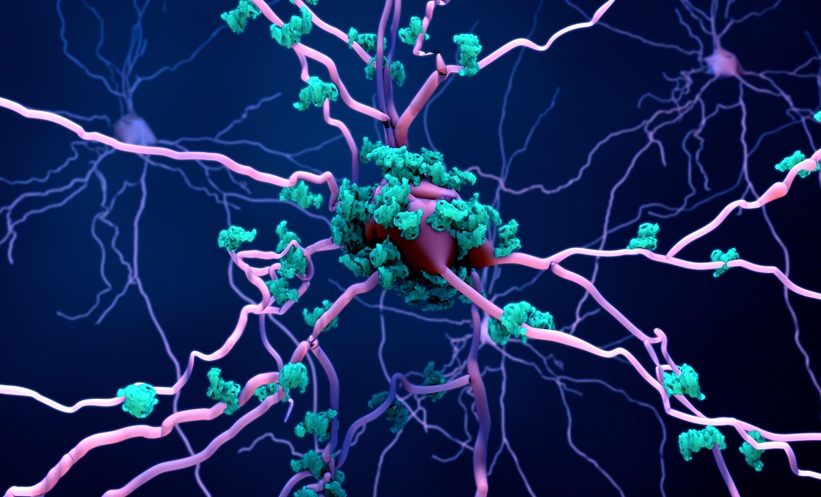
PARTICULATE air pollution and Alzheimer’s disease genetics independently raise dementia risk while reshaping brain immune pathways. New translational findings demonstrate how chronic inhalation of fine particulate matter (PM) interacts with genetic susceptibility to drive cognitive decline, neuroinflammation, and microglial epigenetic reprogramming.
Population Findings on Air Pollution and Alzheimer’s Disease
To clarify how environmental and inherited risks intersect, investigators analyzed longitudinal data from 475,325 UK Biobank participants followed for a median of 13.89 years, during which 12,758 individuals developed or died from Alzheimer’s disease and related dementias. Adjusted survival models confirmed that higher Alzheimer’s disease polygenic risk scores and elevated long-term PM exposure each independently increased dementia incidence. Although their statistical interaction was modestly submultiplicative, predicted dementia risk climbed steadily across rising levels of both genetic predisposition and ambient particle concentration, showing that air pollution remains detrimental across every genetic risk stratum.
Neurovascular and Metabolic Injury Without Amyloid
Controlled animal experiments further revealed how inhaled pollutants injure the central nervous system. Researchers exposed wild-type mice and transgenic 5xFAD mice, which carry five familial Alzheimer’s disease mutations, to concentrated ambient $PM_{2.5}$ or filtered air for 20 weeks. In wild-type mice, chronic particulate exposure induced spatial memory deficits, anxiety-like behavior, reduced grip strength, blood-brain barrier leakage, and elevated cerebral inflammatory cytokines. Exposed wild-type animals also experienced depletion of brain $NAD^{+}/NADH$ energy reserves alongside impaired survival of newborn hippocampal neurons, all occurring without detectable amyloid plaque formation.
Microglial Reprogramming and Clinical Relevance
In genetically susceptible 5xFAD mice, $PM_{2.5}$ accelerated cortical and hippocampal amyloid deposition, intensified microglial activation within the dentate gyrus, and suppressed both neural precursor proliferation and survival. Paired transcriptomic and chromatin accessibility sequencing of isolated microglia showed that air pollution and Alzheimer’s disease susceptibility remodel regulatory DNA regions and gene expression across inflammatory, lysosomal, oxidative stress, and synaptic pathways. For clinicians counseling aging patients, these findings underscore that while inherited susceptibility cannot be altered, reducing chronic exposure to fine particulate air pollution represents an actionable strategy to protect neurovascular resilience and lower dementia risk.
Reference
Palanivel R et al. Air pollution exposure interacts with Alzheimer’s genetic susceptibility to reshape microglial epigenomic and transcriptional programs. J Neuroinflammation. 2026;doi:10.1186/s12974-026-04118-1.