Researchers in China have developed a novel mouse model of liver fibrosis using a widely used aluminum-based vaccine adjuvant, potentially offering a new platform to study immune-mediated liver injury and test antifibrotic therapies.
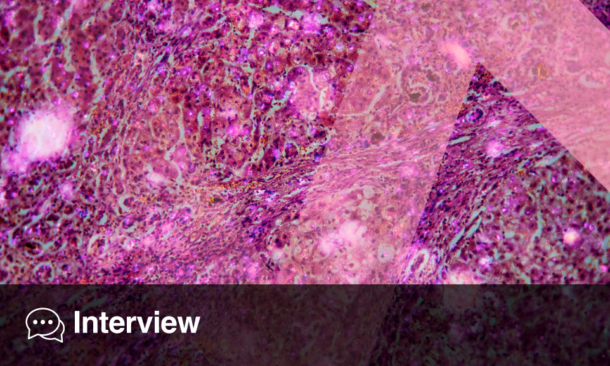
In the open-access study, C57BL/6J mice received intraperitoneal injections of Imject Alum, a commercial mixture of aluminium and magnesium hydroxide, over 54 days. Animals treated with the higher dose (Al(OH)₃ 160 mg/kg) developed marked liver injury, with raised ALT, AST, alkaline phosphatase and bile acids, alongside an increased liver-to-body-weight ratio. Histology showed extensive lobular and portal inflammation, portal-septal collagen deposition and bile duct proliferation, closely resembling advanced fibrosis.
Transcriptomic profiling confirmed that the alum-treated livers activated gene programmes linked to inflammation, extracellular matrix remodelling and altered bile acid and lipid metabolism. The team found enrichment of pathways such as PI3K–AKT and NF-κB signalling, and strong overlap in differentially expressed genes with classic CCl₄- and methionine–choline-deficient diet–induced fibrosis models. Importantly, 331 genes were shared between the Imject Alum model and human cirrhotic liver tissue, supporting its relevance to human disease biology.
Aluminium Exposure as a Driver of Immune-Mediated Injury
Mechanistically, the model appears strongly immune driven. Imject Alum triggered hepatic accumulation of macrophages and T cells and sharply increased expression of pro-inflammatory cytokines and chemokines. Key components of the NLRP3 inflammasome–pyroptosis axis (NLRP3, ASC, caspase-1, gasdermin D) were upregulated in vivo and in primary hepatocytes; inhibition with the NLRP3 blocker MCC950 attenuated this response, implicating inflammasome-mediated pyroptosis as a central driver of injury and fibrogenesis.
The authors highlight that the alum doses used are far higher than those in human vaccines and were chosen to create a robust, reproducible fibrosis model rather than to mimic clinical exposure. They argue that, compared with traditional toxin-based models, this immune-mediated, aluminium-adjuvant model may better capture the immunopathology of autoimmune or immune-driven chronic liver disease and could be valuable for testing immunomodulatory antifibrotic strategies.
Reference
Zhu Z et al. Aluminum adjuvant promotes liver inflammation and fibrosis in mice: a novel approach to establish a liver fibrosis animal model. Liver Res. 2025;DOI:10.1016/j.livres.2025.05.001.
- Author: