NEW research suggests salivary oxidative stress markers alone may not distinguish active from inactive Behcet’s disease.
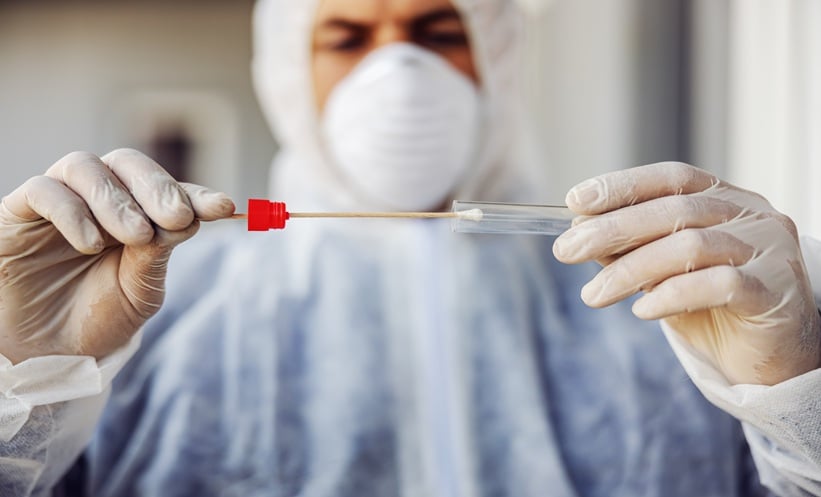
Behcet’s disease is a chronic systemic inflammatory vasculitis that lacks reliable laboratory markers of disease activity, which complicates day to day management. In this cross-sectional study, investigators evaluated whether salivary oxidative stress markers could help differentiate active from inactive Behcet’s disease and offer a noninvasive window into inflammatory status. Sixty-four patients who met International Criteria for Behcet’s Disease were categorized as having active or inactive disease according to clinical manifestations, then provided unstimulated whole saliva samples for analysis.
Oxidative stress was characterized using three complementary salivary measures. Total oxidant status reflected the overall oxidant burden, total antioxidant status captured endogenous antioxidant capacity, and the oxidative stress index summarized the balance between these forces. When researchers compared active and inactive disease groups, they found no significant differences in any of these salivary oxidative stress markers. Despite this, regression modelling showed that clinical disease activity remained the strongest predictor of total antioxidant status, while smoking status was the strongest predictor of total oxidant status, highlighting the complex interplay between inflammation, lifestyle factors, and redox balance.
Saliva as a Noninvasive Window into Behcet’s
Although salivary oxidative stress markers did not separate active from inactive Behcet’s disease in this cohort, the work reinforces saliva as an attractive noninvasive matrix for monitoring oxidative stress in auto inflammatory conditions. Saliva collection is simple, painless, and easily repeatable in outpatient settings, which may support longitudinal assessment of redox related biomarkers alongside standard clinical evaluation. The authors emphasize that larger studies incorporating additional salivary biomarkers are needed to clarify how oxidative stress contributes to Behcet’s disease activity and whether refined salivary panels could eventually support risk stratification or treatment monitoring in routine practice.
Reference: Alikhani M et al. Salivary Oxidative Stress Markers in Behcet’s: A Comparative Study of Active and Inactive Diseases. Health Sci Rep. 2025;8(12):e71610.
- Author: