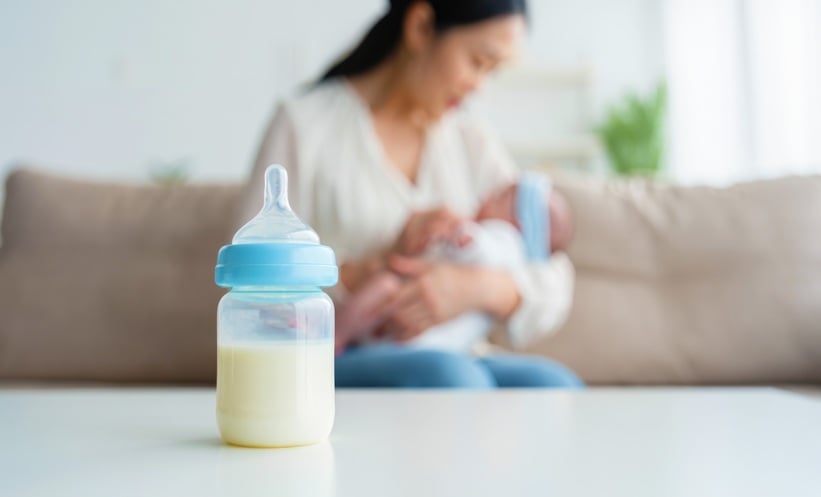
BREASTFEEDING for at least four months was associated with a significantly reduced risk of asthma and allergic sensitisation from childhood into young adulthood, according to new long-term data from a large Swedish birth cohort.
The findings add weight to ongoing public health debates about the long-term respiratory and immune benefits of early-life nutrition, extending evidence beyond childhood and into the mid-twenties.
Breastfeeding and Asthma Risk Across the Lifespan
Asthma remains one of the most common chronic respiratory conditions worldwide, affecting an estimated 262 million people and placing a substantial burden on healthcare systems. While breastfeeding has long been thought to protect against early childhood wheeze, evidence for sustained benefits into adulthood has been limited and inconsistent.
In this longitudinal cohort study, researchers followed 3,919 participants from birth to 24 years of age. Exclusive breastfeeding duration was recorded at one year, while asthma outcomes were assessed through repeated questionnaires up to young adulthood. Blood samples were collected at ages 4, 8, 16, and 24 years to assess immunoglobulin E (IgE) sensitisation, a marker of allergic disease.
Exclusive breastfeeding for at least four months was associated with lower overall odds of asthma up to age 24 years (odds ratio: 0.75; 95% CI: 0.64–0.87). Age-specific analyses showed that this inverse association was strongest up to 12 years of age, with no statistically significant effect thereafter.
Importantly, when asthma was analysed by phenotype, breastfeeding was linked to a significantly reduced risk of persistent asthma (odds ratio: 0.64; 95% CI: 0.48–0.84) and a borderline reduction in early transient asthma. No association was observed with late-onset asthma, suggesting early-life immune modulation may be key.
Breastfeeding was also inversely associated with IgE sensitisation up to young adulthood (odds ratio: 0.82; 95% CI: 0.70–0.96). Excluding children who developed wheeze or eczema during the breastfeeding period strengthened associations for both asthma and allergic sensitisation.
Implications for Prevention Strategies
These findings suggest that exclusive breastfeeding may have lasting protective effects on respiratory and allergic disease, particularly for asthma beginning in early life. While the observational design limits causal inference, the long follow-up and repeated objective IgE measurements strengthen confidence in the results.
The study supports current recommendations promoting breastfeeding as part of early-life asthma prevention strategies and highlights the need for further research into the biological mechanisms linking infant feeding, immune development, and long-term respiratory health.
Reference
Kull I et al. Breastfeeding is inversely associated with asthma and IgE sensitisation up to young adulthood. J Allergy Clin Immun. 2026; DOI:10.1016/j.jaci.2025.12.1011.