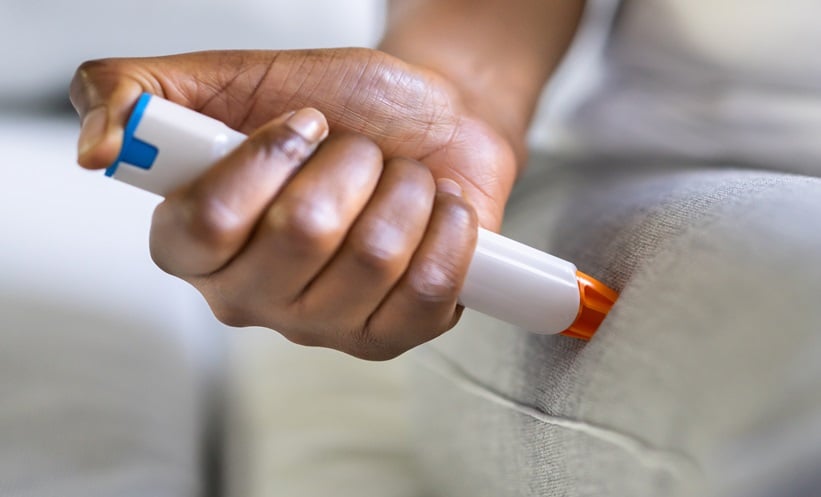
NEW qualitative research suggests that injectable on-demand treatments for hereditary angioedema are associated with substantial emotional, logistical, and quality-of-life challenges for both patients and caregivers, potentially delaying treatment during acute attacks.
Hereditary angioedema is characterised by unpredictable and painful swelling episodes that can significantly disrupt daily life. While the burden of long-term prophylactic therapies has been well described, less attention has been paid to how on-demand injectable treatments affect health-related quality of life in real-world settings.
Insights From Patients and Caregivers
In this interview-based study, researchers recruited 25 participants from the United States and the United Kingdom, including 17 patients aged 12 years and older and eight adult caregivers. All patients had experienced at least one HAE attack in the previous six months. Semi-structured interviews explored experiences with injectable on-demand treatments, including administration, perceived burden, and impacts on daily life.
Participants consistently reported emotional and practical barriers to using injectable treatments promptly. Common reasons for delaying or avoiding treatment included fear of needles, concerns about pain, difficulty transporting medication, and the complexity of preparation and administration.
Impact on Daily Life and Independence
All participants described at least one negative impact on health-related quality of life related to injectable on-demand therapy. Reported effects included anxiety surrounding administration, physical discomfort, missed work or school days, and strain on personal relationships. Adolescents reported greater disruption than adults, particularly in social and educational settings.
Although these treatments are approved for self-administration, many patients reported requiring assistance. All adolescent patients and several adults relied on caregivers or family members to administer injections, highlighting ongoing dependence that may limit autonomy during acute attacks.
Demand for Alternative Options
Notably, every participant expressed interest in an oral on-demand treatment. Key reasons included pain-free administration, improved portability, and the ability to treat attacks earlier. Participants felt that an oral option could reduce anxiety, promote independence, and improve overall quality of life for both patients and caregivers.
The authors conclude that injectable on-demand therapies, while clinically effective, may contribute to unmet needs in HAE management. Treatments that enable earlier, simpler, and less painful administration could meaningfully improve patient independence and health-related quality of life.
Reference
Yong PFK et al. Impact of injectable HAE on-demand treatments on health-related quality of life: a patient and caregiver interview study. Allergy Asthma Clin Immunol. 2025;DOI: 10.1186/s13223-025-00997-w.