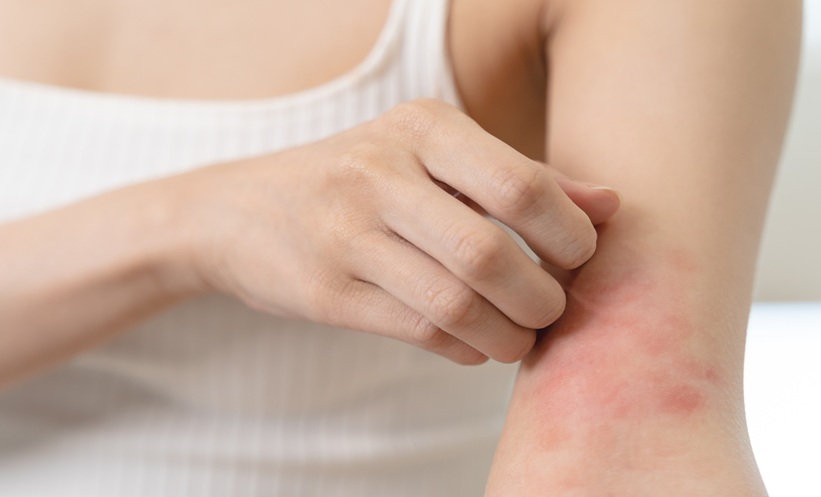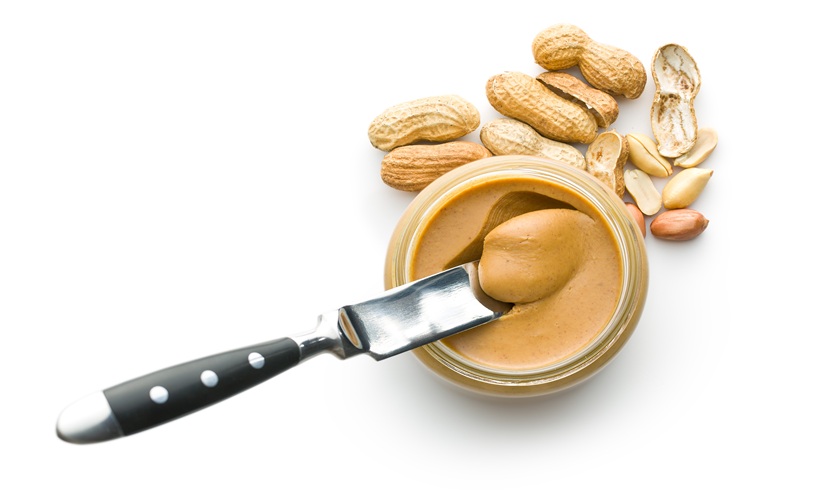
ORAL immunotherapy (OIT) for peanut allergy in children was found to offer good value for money compared with no treatment, according to a new economic evaluation conducted alongside a clinical trial.
Peanut allergy is one of the most common and potentially life-threatening food allergies in childhood, often requiring strict avoidance and emergency preparedness. Since the first peanut OIT product was approved in 2020, attention has shifted not only to clinical effectiveness but also to whether the benefits of these treatments outweigh the cost and adverse effects.
Oral Immunotherapy Shows Strong Cost-Effectiveness
The study evaluated two approaches: standard peanut OIT and a combination therapy known as probiotic and peanut OIT (PPOIT). Researchers analysed data from 201 children aged 1–10 years enrolled in a multicentre, randomised trial in Australia, with outcomes modelled over a 10-year period.
Both oral immunotherapy strategies were associated with substantially higher remission rates than no treatment. Annual remission was 34.1% for PPOIT and 35.1% for OIT, compared with just 7.3% in the no-treatment group. While mean costs per patient were higher – A$3956 for PPOIT and A$3582 for OIT versus A$249 for no treatment – these were offset by improved clinical outcomes.
When measured in terms of cost per remission achieved, both therapies were considered cost-effective. Importantly, when quality-adjusted life years (QALYs) were used as the outcome, PPOIT provided the greatest value, reflecting its stronger impact on patient quality of life.
Balancing Costs, Benefits, and Long-Term Outcomes
Although OIT demonstrated a slightly larger effect size in achieving remission, the difference between the two therapies was not considered clinically meaningful. PPOIT, however, delivered greater gains in quality of life, a key driver of its cost-effectiveness.
The analysis also highlighted that treatment pricing and improvements in quality of life were the most influential factors determining overall value. Adverse event costs were relatively modest across all groups, suggesting that safety concerns did not substantially alter economic outcomes.
Overall, the findings suggested that OIT – particularly PPOIT – represents a cost-effective strategy for managing peanut allergy in children, supporting its broader adoption in clinical practice where resources allow.
Featured image: Jiri Hera on Adobe Stock
Reference
Huang L et al. Cost-effectiveness of oral immunotherapy treatments vs no treatment for peanut allergy in children. JAMA Netw Open. 2026; DOI:10.1001/jamanetworkopen.2026.2410.