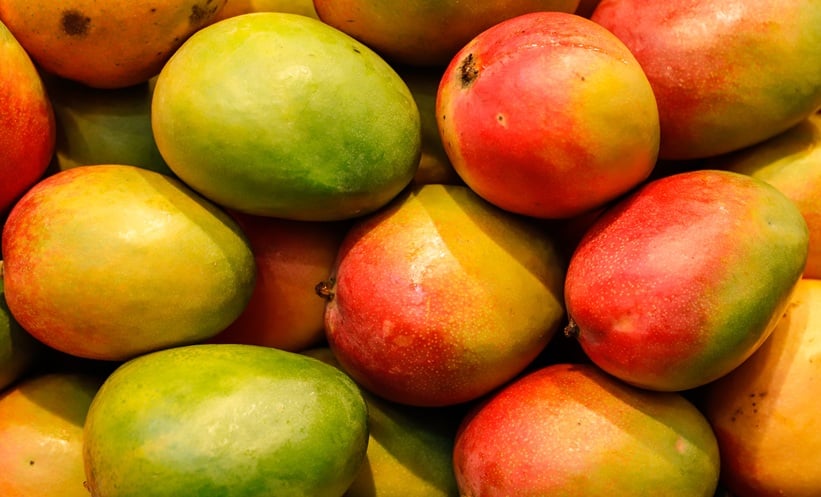
DAILY intake of avocado and mango improves vascular function associated with cardiovascular health in adults with prediabetes, a 2026 study has found.
Prediabetes and Fruit Intake
Prediabetes is characterised by elevated blood glucose levels that are below the threshold for Type 2 diabetes diagnosis.
Patients with prediabetes are at high risk for Type 2 diabetes and more likely to develop, and experience complications of, endothelial dysfunction leading to macrovascular and microvascular diseases.
Researchers reported that the most cost-effective treatment for Type 2 diabetes is prevention: a major public health priority.
Low fruit intake is also a global risk factor for cardiometabolic disease, ranking in the top three dietary risk factors contributing to cardiovascular disease mortality.
Authors noted that mango and avocado both contain health-promoting nutrients, but have different types of beneficial constituents to the diet and do not compositionally overlap much with each other or other commonly consumed fruits.
The Avocado-Mango Diet
The randomised, partially controlled study prescribed 82 participants weekly diets including one avocado and one cup of mango daily for 8 weeks.
A control group were given energy-matched low-fat, low-fibre foods.
Researchers analysed the effect on vascular and metabolic processes, including central and brachial blood pressure, pulse-wave velocity, and metabolic, inflammatory, and kidney function markers.
Blood vessel function, specifically flow-mediated vasodilation, increased on the avocado-mango diet by approximately 1% and decreased in the control by more than 2%.
Changes in blood pressure were also observed, specifically in men.
Brachial diastolic blood pressure significantly decreased on the avocado-mango diet, compared with the control.
Further, total fruit, dietary fibre, vitamin C, and monosaturated fat intake significantly increased on the avocado-mango diet.
Phytochemicals unique to mango and avocado, including gallotannins, mangiferin, and avocatin B, were all expected to be higher in the avocado-mango diet, which researchers suggested could have played a role in the positive outcome.
Fruit Intake as a Lifestyle Intervention
Researchers highlighted that, overall, an intake of one avocado and one cup of mango per day reduces dietary risk factors and improves vascular health indices.
It represents, therefore, a practical strategy toward improving cardiovascular outcomes in adults with prediabetes as a modifiable lifestyle intervention, they submitted.
References
Preiss C et al. Effects of increasing total fruit intake with avocado and mango on endothelial function and cardiometabolic risk factors in adults with prediabetes. JAHA. 2026;15(4):DOI:10.1161/JAHA.124.040933.
Brannick B, Dagogo-Jack S. Prediabetes and cardiovascular disease: pathophysiology and interventions for prevention and risk reduction. Endocrinol Metab Clin N Am. 2018;47:33-50.
Afshin A et al. Health effects of dietary risks in 195 countries, 1990–2017: a systematic analysis for the global burden of disease study 2017. Lancet. 2019;393:1958–1972.
Featured image: Pixelkram on Adobe Stock