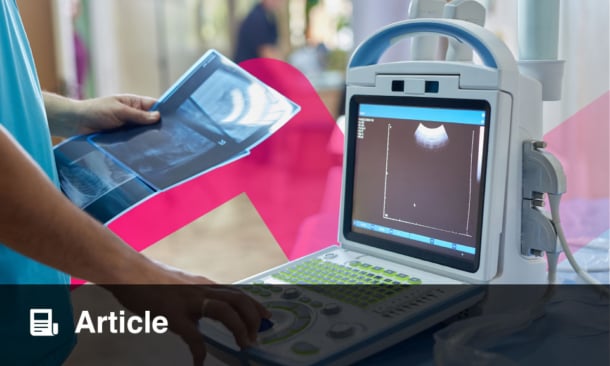
A QUICK and painless neck ultrasound could help identify older men at high risk of heart failure , with new research showing that reduced carotid artery flexibility predicts more than double the likelihood of developing the condition.
Arterial Flexibility as a Predictor of Heart Failure
Researchers have increasingly explored how vascular ageing contributes to heart failure, focusing on the carotid arteries that supply blood to the brain. The flexibility of these arteries, measured through a routine ultrasound similar to scans used in pregnancy, offers a window into cardiovascular health. As the burden of heart failure continues to rise across the UK, simple community-based tools that can detect risk before symptoms emerge are drawing growing attention from clinicians and policymakers.
Data Reveals Strong Association with Incident Heart Failure
The findings stem from the British Regional Heart Study, which included 1631 men aged 71 to 92 years with no baseline diagnosis of heart failure. Between 2010 and 2012, participants completed questionnaires, underwent physical examinations, provided fasting blood samples, and received carotid intima media thickness and carotid distension measurements. After multivariate adjustments, men in the bottom quartile of carotid distensibility were 2.55 times more likely to develop heart failure (HR 2.55, 95 percent CI 1.24 to 5.24, P=0.01). Those in the top quartile for carotid intima media thickness had a higher risk (HR 2.20, 95 percent CI 1.14 to 4.23, P=0.02). The link between distensibility and heart failure persisted even after accounting for incident myocardial infarction and CIMT (HR 2.53, 95 percent CI 1.23 to 5.22, P=0.01), while the association between CIMT and heart failure weakened after adjustment (HR 1.64, 95 percent CI 0.84 to 3.21, P=0.15).
Implications For Primary Care and Future Screening Practice
These results suggest that routine carotid ultrasound could become a valuable addition to risk assessment for heart failure in older adults, provided GP surgeries have the capacity. Early identification would allow clinicians to discuss diet, exercise, and medication strategies to lower risk and delay disease onset. Further research, particularly involving women, is needed to confirm generalisability. Nevertheless, incorporating arterial flexibility screening into preventive care could support more personalised interventions and help reduce the long-term burden of heart failure across the ageing population.
Reference
Akinmolayan A et al. Carotid intima‐media thickness, carotid distensibility, and incident heart failure in older men: the British Regional Heart Study. Journal of the American Heart Association. 2025;14(7):e037167.