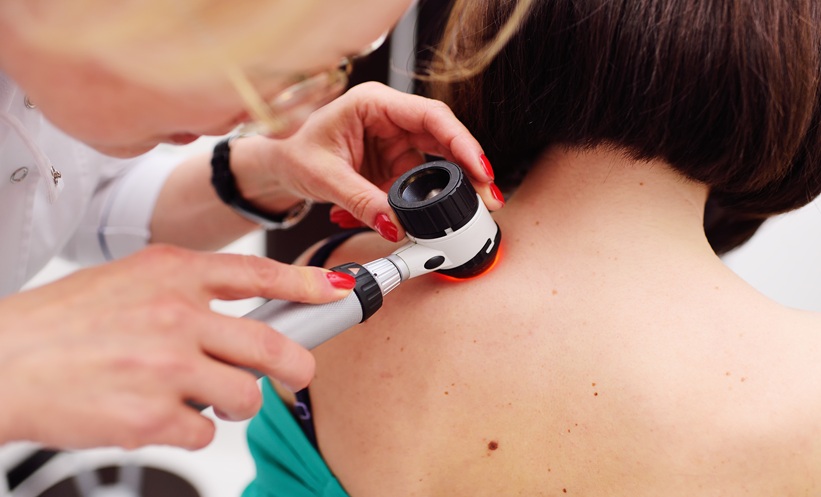
MINI-CEX self-assessment training plus feedback improved dermatology residents’ exam skills and rating alignment well in practice.
Mini-CEX Training and Study Design
Self-assessment is widely used as a formative assessment tool in clinical training, but learners may misjudge their own performance without structured guidance. This interventional study evaluated whether the mini-clinical evaluation exercise, known as the mini-CEX, could improve the accuracy of dermatology residents’ self-assessments and their overall clinical performance.
Fifty-eight dermatology residents, spanning first to fourth year, participated across outpatient clinic encounters and inpatient visits during 2021–2022. At baseline, each resident was assessed independently by two faculty members using the mini-CEX, and residents also completed a parallel self-assessment with the same tool. After an intervention focused on feedback and self-assessment training, participants were reassessed.
Mini-CEX Scores Improved After Feedback
Following the intervention, evaluators’ mean ratings improved significantly in interview skills, examination skills, and the overall mean score across assessed domains, with all reported comparisons meeting statistical significance (p < 0.05). Residents’ self-assessment scores also increased significantly across all seven mini-CEX categories (p < 0.05), suggesting measurable gains in how residents rated their own performance after training.
Importantly, alignment between professor ratings and resident self-assessment strengthened after the intervention. The authors report a greater correlation between faculty and resident ratings post training, indicating improved agreement in performance evaluation and potentially more accurate clinical insight during training.
Why Self-Assessment Accuracy Matters
The findings support structured self-assessment training as a practical addition to residency programs. By combining the mini-CEX with targeted feedback, residents may develop more accurate self-evaluation habits alongside improved clinical skills. The authors suggest this approach can promote clinical insight, lifelong learning, and professional development, with relevance extending beyond dermatology into other specialties that rely on workplace-based assessment.
Reference: Azizpour A et al. Enhancing Dermatology Residents’ Self-Assessment Accuracy Through Training: An Interventional Study Using the Mini-CEX. Clin Teach. 2026;23(2):e70340.