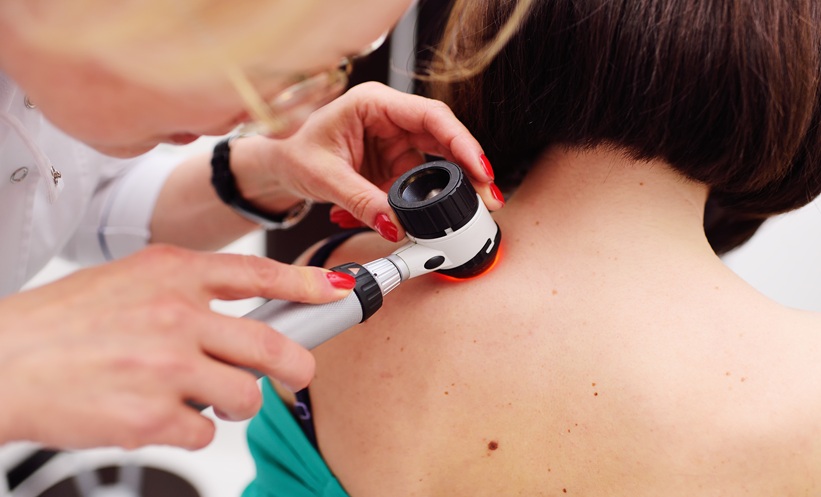
PERIOPERATIVE liposomal bupivacaine injections showed minimal adverse events in 129 dermatologic surgery patients in a new review.
Study Design and Patient Population
Investigators conducted a retrospective chart review at a single institution to describe treatment characteristics and adverse events in adults receiving perioperative liposomal bupivacaine to the surgical site and surrounding skin. Patients were eligible if they were 18 years or older and had documentation of perioperative liposomal bupivacaine administration identified through institutional database searches.
Across 129 patients, clinicians performed 140 liposomal bupivacaine administrations. Use clustered around common dermatologic surgery workflows, most frequently excisions (88 administrations, 62.9%) and Mohs micrographic surgery (49 administrations, 35%). The most common underlying diagnoses were hidradenitis suppurativa (77 administrations, 55%) and cutaneous neoplasms (56 administrations, 40%).
Perioperative Liposomal Bupivacaine Dosing and Surgical Characteristics
Procedures included larger operative fields, with a median postoperative area of 23.6 cm² and a median postoperative length of 15.4 cm. The median liposomal bupivacaine dose was 20 mL, with reported doses ranging from 1.5 mL to 20 mL, reflecting use across varying defect sizes and reconstructions.
Adverse Events and LAST Findings
Safety signals were uncommon in this cohort. Among administrations with documented outcomes, 98.5% were associated with no adverse events. Two administrations (1.5%) were linked to nausea on postoperative Day 1, and both patients were taking opioids at the time nausea was reported.
Importantly, the authors observed no cases of Local Anesthetic Systemic Toxicity in their review, a key perioperative safety concern with local anesthetic use.
What This Means for Postoperative Analgesia
The authors conclude that liposomal bupivacaine should be considered for postoperative analgesia in dermatologic surgery, describing it as well tolerated and efficacious in their institutional experience. As a single center retrospective review, the findings primarily characterize real world use and observed safety events rather than comparative effectiveness versus other analgesic strategies. Further prospective work could help clarify patient selection, optimal dosing approaches, and measurable impacts on pain outcomes and opioid requirements in dermatologic surgery settings.
Reference: Rames MM et al. The Safety of Perioperative Liposomal Bupivacaine Injections in Dermatologic Surgery Patients. Dermatol Surg. 2026; DOI: 10.1097/DSS.0000000000005031.