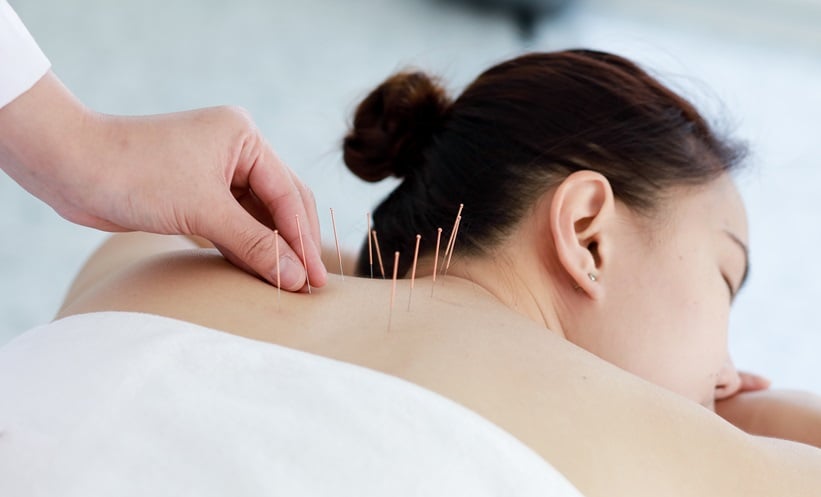
NEW evidence shows acupuncture for migraine without aura relieves pain and disability, while brain connectivity patterns can predict who benefits most from treatment.
Why Acupuncture for Migraine Remains Under Scrutiny
Acupuncture for migraine has long been used worldwide, yet questions remain about its consistency and mechanisms. Migraine without aura is a common neurological disorder that causes recurrent headaches, functional impairment, and reduced quality of life. Although acupuncture is recommended in some guidelines, uncertainty about patient selection and biological plausibility has limited wider clinical adoption.
Trial Results and Brain Connectivity Findings
In a single-blinded randomised clinical trial, 120 adults with migraine without aura were assigned to real acupuncture or sham acupuncture. Participants received 12 sessions over four weeks. The primary outcome was change in monthly migraine days. Compared with sham acupuncture, real acupuncture produced a greater reduction in monthly migraine days, with a median difference of −1.0 (95% CI, −2.0 to 0; P = .02). Significant improvements were also observed in monthly headache days (P = .01), acute medication use days (P = .02), pain severity measured by VAS score (P = .02), disability measured by HIT-6 score (mean difference, −2.9; P = .02), and quality of life measured by MSQ scores (P < .001 to P = .001).
Resting-state fMRI data were analysed using connectome-based predictive modelling. Distinct brain connectivity patterns predicted treatment outcomes. Reduced pain scores were associated with negative connectivity patterns (r = 0.23; P = .04), while disability improvement correlated with positive connectivity (r = 0.29; P = .02). Key networks included default mode network to subcortical cerebellum hypoconnectivity and subcortical to motor hyperconnectivity.
Implications for Clinical Practice
These findings strengthen evidence that acupuncture for migraine offers genuine clinical benefit beyond placebo effects. More importantly, they suggest brain imaging could help identify patients most likely to respond. If validated in larger studies, this approach may allow clinicians to integrate acupuncture into precision headache management, improving outcomes while avoiding ineffective treatment for non-responders.
Reference
Zhang X et al. Acupuncture for migraine without aura and connection-based efficacy prediction: a randomized clinical trial. JAMA Netw Open. 2026;9(1):e2555454.