DIETARY taurine supplementation protected multiple aspects of Alzheimer’s disease (AD) pathology in a widely used preclinical model, according to new research exploring accessible preventative strategies for neurodegeneration. The findings suggested that taurine, a naturally occurring amino acid obtained from diet, may help mitigate inflammatory, metabolic, and structural brain changes associated with AD progression.
AD represents a growing global health challenge as populations age, with no curative therapies currently available. As a result, modifiable lifestyle and dietary interventions have attracted increasing scientific attention. Taurine is known for antioxidant and anti-inflammatory effects and has previously been implicated in neuronal health, making it a candidate for investigation in neurodegenerative disease prevention.
Dietary Taurine Supplementation Reduced Alzheimer’s Pathology
Using the 5xFAD mouse model of AD, researchers administered taurine via drinking water at doses ranging from 0–4,000 mg/kg/day. No differences in body mass or water intake were observed, supporting tolerability. Cytokine profiling demonstrated that a dose of 2,000 mg/kg/day elicited the most robust protective response, significantly reducing markers of neuroinflammation.
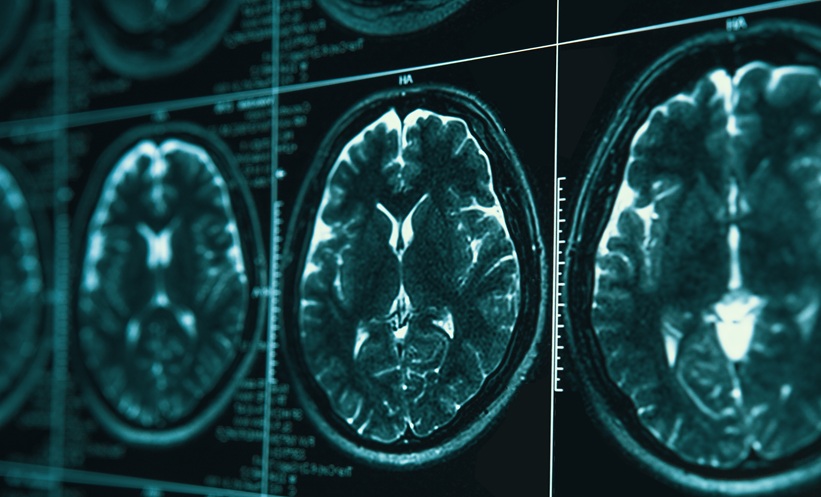
Notably, an acute dose of 2,000 mg/kg/day of taurine in older mice was sufficient to protect the dentate gyrus from gliosis and prevent regional brain volume loss. Longer supplementation periods of 1–2 months also produced modest reductions in amyloid-beta 42 burden, a hallmark feature of AD pathology.
High-resolution magic angle spinning magnetic resonance spectroscopy enabled detailed metabolic profiling of the frontal cortex and hippocampal regions. Five metabolites central to neuronal function, including gamma-aminobutyric acid, glutamate, N-acetylaspartate, aspartate, and scyllo-inositol, were significantly altered in AD mice. Dietary taurine supplementation shifted several of these metabolites, particularly N-acetylaspartate and glutamate, towards levels observed in wild-type animals, suggesting metabolic neuroprotection.
Implications and Future Directions
While these findings strengthened the biological rationale for dietary taurine supplementation as a preventative strategy, the results were derived from animal models. Translation to humans will require carefully designed clinical studies to establish effective dosing, timing, and long-term safety.
Nevertheless, the study added to growing interest in nutrition-based approaches for neurodegenerative disease prevention.
If validated clinically, dietary taurine supplementation could represent a low-cost, widely accessible strategy to help delay or reduce pathological features of AD, complementing existing therapeutic research efforts.
Reference
Tognoni CM et al. Protection of multiple aspects of Alzheimer’s disease pathology using dietary supplementation with taurine. Sci Rep. 2026; DOI:10.1038/s41598-025-32797-y.