POLYPHENOL-RICH foods before hard exercise raised blood polyphenols but did not consistently reduce early inflammation markers.
Polyphenol-Rich Foods Tested Before Muscle-Damaging Exercise
Athletes and active adults often look to antioxidant or anti-inflammatory nutrition strategies to support recovery after intense sessions. This double-blinded, randomized, placebo-controlled trial tested whether short-term intake of polyphenol-rich foods could meaningfully shift early post-exercise biology.
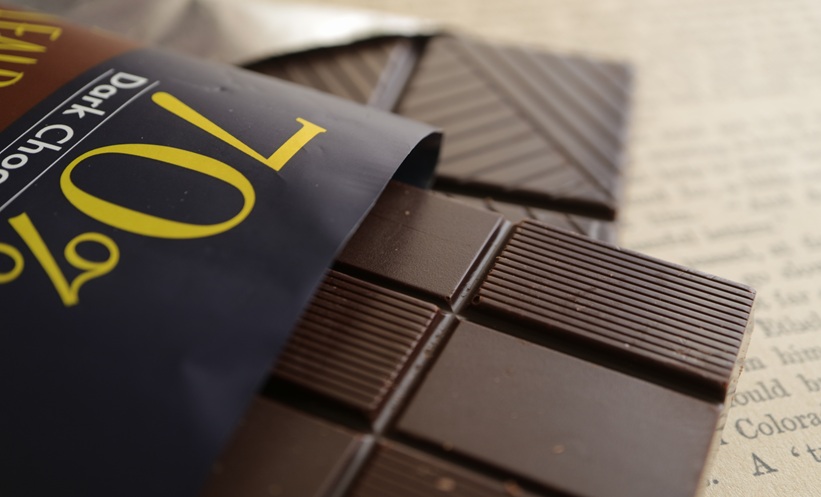
Twenty-six recreationally active adults consumed either a higher-(poly)phenol intervention or a lower-(poly)phenol comparator for three days before strenuous exercise and again 30 minutes prior. The higher-(poly)phenol foods were dates, dark chocolate, and pomegranate (285.1 mg/day), while the lower-(poly)phenol foods were a cereal bar, milk chocolate, and a sports drink (88.3 mg/day). Participants then completed a muscle-damaging protocol of 100 drop jumps and 50 squat jumps.
Inflammation and Oxidative Stress Markers Changed Inconsistently
Investigators measured a broad panel of inflammatory markers, including leukocyte profiles and cytokines such as IL-6, IL-10, and TNF-α, alongside oxidative stress markers including glutathione peroxidase (GPX), 4-HNE, and urinary 8-OHdG. Measures were taken pre-exercise, immediately after, and at 1 and 2 hours post-exercise.
The intervention clearly increased circulating exposure: total plasma (poly)phenol concentrations were higher in the higher-(poly)phenol group and peaked one hour after exercise. However, downstream biomarker effects were not consistently favorable. Although there were interaction effects reported for IL-10 and TNF-α, post hoc testing did not show clear between-group differences. For oxidative stress, urinary 8-OHdG excretion was higher with the higher-(poly)phenol intake, while erythrocyte GPX activity was higher in the lower-(poly)phenol condition.
Overall, the findings suggest that a brief, food-based polyphenol-rich foods approach can raise circulating (poly)phenol exposure around strenuous activity, but may be insufficient on its own to reliably modify early markers of inflammation and oxidative stress in the first two hours after exercise.
Reference: Hebshi AA et al. The effects of a (poly)phenol-rich food intervention on markers of exercise-induced inflammation and oxidative stress: A randomised controlled trial. Experimental Physiology. 2026;doi:10.1113/EP093383.