A MOUSE study suggests that failure to remove ammonia from the liver can accelerate the growth of hepatocellular carcinoma (HCC). In several experimental models, mice with reduced activity of the liver’s urea cycle enzymes showed higher ammonia levels and faster tumour progression. Limiting dietary protein, which reduces ammonia production, significantly slowed tumour growth.
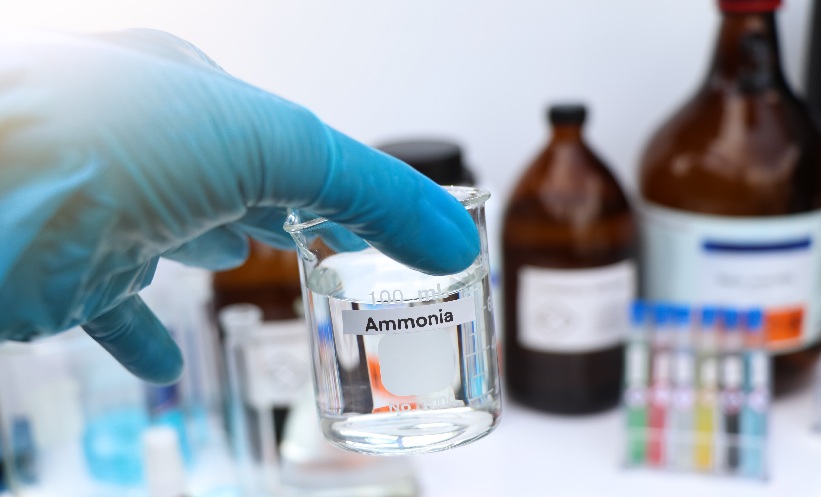
HCC is the most common primary liver cancer, which develops from hepatocytes. The liver normally detoxifies ammonia, a nitrogenous waste mainly produced by the gut microbiome during protein digestion. Ammonia is converted into urea through the urea cycle and safely excreted via the kidneys. When this process is disrupted, ammonia can accumulate, which in these experiments promoted tumour progression.
How The Liver Handles Ammonia
Ammonia detoxification relies on a range of urea cycle enzymes distributed across different liver zones to ensure efficient ammonia removal. Any remaining ammonia is converted to glutamine by the enzyme glutamine synthetase before blood leaves the liver.
When these pathways fail, ammonia levels rise, causing hyperammonaemia, which can disrupt metabolism and lead to neurological complications. Elevated ammonia levels have been observed in patients with liver cancer, but their role in tumour growth had previously been unclear.
Mouse Models Reveal Metabolic Reprogramming
Several mouse models of HCC were examined. Tumours driven by β-catenin signalling showed widespread suppression of urea cycle enzymes, leading to elevated ammonia levels in both the blood and liver tissue. High ammonia was associated with metabolic changes, including altered amino-acid pathways and increased pyrimidine synthesis, processes that support rapid cell proliferation.
Experimental silencing of individual urea cycle enzymes further increased ammonia levels and accelerated tumour growth, demonstrating that impaired ammonia detoxification can promote the progression of liver tumours in mice.
Low-Protein Diert Slows Tumour Progression
Researchers tested whether reducing ammonia production could influence tumour growth. Mice fed a low-protein diet, with approximately 6% of calories were protein, had slower tumour growth and longer survival than those on standard diets. The diet also lowered ammonia levels in both the blood and the liver, partially restored urea cycle function, and moderated the metabolic changes linked to tumour progression.
Implications and Next Steps
The study suggests that impaired handling of nitrogenous waste can promote liver tumour growth, but it is important to note that all experiments were conducted in mouse models. While these models share many metabolic and genetic features of human HCC, the results cannot be assumed to fully reflect human biology. Differences in metabolism, diet, and tumour microenvironment may influence how ammonia impacts tumour progression in patients.
The research also highlights the potential of dietary interventions. Low-protein diets reduced ammonia levels, partially restored urea cycle enzyme activity, and slowed tumour growth in mice, suggesting that reducing nitrogen load could be a feasible adjunct strategy. However, dietary protein restriction in humans must balance nutritional needs, muscle maintenance, and immune function, making translation more complex.
Finally, while the study supports a causal contribution of impaired ammonia detoxification to tumour growth, the precise molecular mechanisms controlling urea cycle enzyme suppression remain unclear. Additional approaches, such as ammonia-scavenging therapies, probiotics, or targeted modulation of other nitrogen-handling pathways, may help clarify whether these strategies could complement existing liver cancer treatments.
Reference
Han X et al. Impaired nitrogenous waste clearance promotes hepatocellular carcinoma. Sci. Adv. 2026;12(2):1-18:eaec0766.
Featured Image: Kittisak Adobe Stock