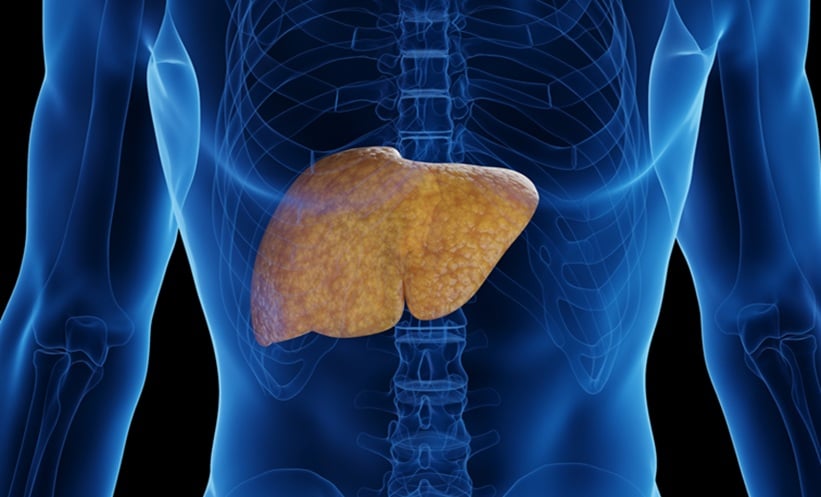
A NEW review examines the evolving role of lipid-lowering therapies, particularly statins and proprotein convertase subtilisin/kexin type 9 (PCSK9) inhibitors, in the management of metabolic dysfunction–associated steatotic liver disease (MASLD). As MASLD affects roughly one quarter of the global population and remains tightly linked to cardiometabolic risk, the therapeutic landscape is increasingly focused on approaches that address both liver health and cardiovascular outcomes.
The authors emphasise that statins continue to be the foundational treatment for dyslipidaemia in MASLD and remain safe for the vast majority of patients, including those with compensated cirrhosis. Evidence suggests statins not only improve lipid profiles and reduce cardiovascular events but also exert beneficial hepatic effects, improving steatosis and lowering the risks of decompensation, hepatocellular carcinoma and mortality. In contrast, statin use in decompensated cirrhosis should be reserved for strong cardiovascular indications and undertaken with caution.
Potential Benefits and Caveats of PCSK9 Inhibitors
The review highlights growing interest in PCSK9 inhibitors as second-line therapy for dyslipidaemia in MASLD, particularly for patients unable to achieve adequate control with statins. Small clinical studies indicate improvements in hepatic steatosis and biochemical markers; however, the evidence remains preliminary. While monoclonal antibody inhibitors appear safe, preclinical studies on complete PCSK9 suppression, such as with small interfering RNA, have raised concerns about hepatic lipid accumulation, inflammation and fibrosis.
Need for Larger Trials in MASLD
Given the mixed findings, the authors stress that PCSK9 inhibitors should currently be used primarily for their cholesterol-lowering benefits. Robust randomised trials with histological endpoints are still needed to clarify their hepatic safety and therapeutic potential. For now, lipid management in MASLD should continue to be guided by cardiovascular risk, with statins as first-line therapy.
Reference
Theocharidou E, Gossios T. Effect of statins and PCSK9 inhibition on metabolic dysfunction–associated steatotic liver disease. Liver Int. 2025;DOI:10.1111/1751-2980.70011.