RESEARCHERS report that a new inflatable device could transform prone repositioning in the intensive care unit, dramatically reducing staff workload, saving time, and improving safety for both patients and clinicians.
Proning Pressures in the Intensive Care Unit
Prone positioning is a lifesaving intervention for ventilated patients with severe respiratory failure, but it places heavy demands on intensive care unit teams. Traditionally, repositioning sedated patients requires multiple clinicians and prolonged manual handling, increasing risks of staff injury and pressure related complications. As intensive care unit capacity remains under strain, innovations that improve efficiency while maintaining safety are increasingly urgent.
Testing a New Approach in the Intensive Care Unit
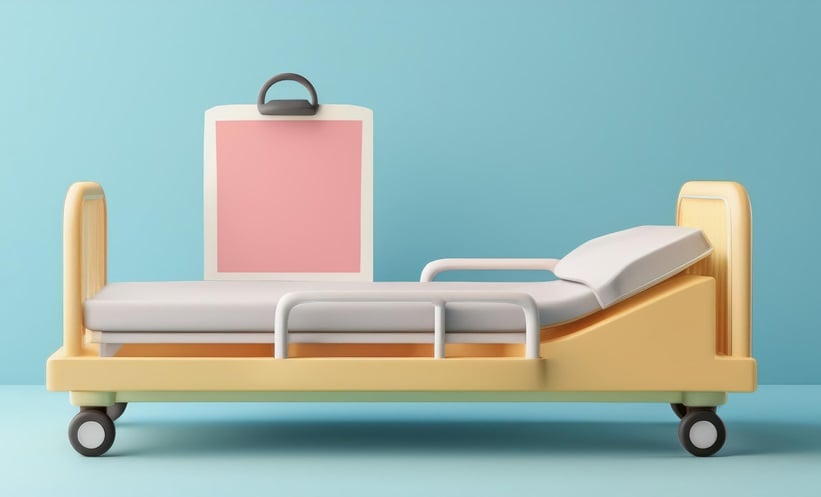
The BathMat device was developed to simplify prone repositioning through an inflatable support system. Early simulation and time motion studies show striking efficiency gains. Manual repositioning averaged 46 min (±13) and required 6.52 staff, equating to around 300 min of staff time per session. With the BathMat, repositioning averaged 10 min (±4) using only two staff, reducing total staff time to 20 min per session. Over nine daily repositioning sessions, this translated into a reduction from 45 hours to just 3 hours of staff time per patient per day. Staff feedback was collected from 12 intensive care unit clinicians using structured surveys. Following BathMat use, 83% reported reduced physical strain and 92% reported improved ease of repositioning. Pressure distribution testing confirmed safe support, suggesting lower risks of pressure injuries and nerve damage. Economic modelling estimated potential NHS savings of £4 million to £18 million annually, based on 16,500 patients, 10 repositions while proned, and average staff costs of £22 per hour. Verification testing also confirmed mechanical integrity, usability, and compliance with regulatory standards supporting MHRA approval for clinical investigation.
Implications for Intensive Care Unit Practice
If validated through multicentre trials, the BathMat could meaningfully change intensive care unit workflows. Fewer staff injuries, faster repositioning, and safer pressure management may allow more frequent proning and earlier interventions. Future versions incorporating automated inflation and pressure sensing could further integrate with monitoring systems. For clinicians facing rising demand and workforce constraints, this innovation may offer a practical step toward safer, more sustainable critical care delivery.
Reference
Vangsgaard A et al. BathMat: development and early evaluation of an inflatable prone repositioning device to enhance efficiency and patient safety on intensive care units. BMJ Innovations. 2025;DOI:10.1136/bmjinnov-2025-001413.