An innovative symbiotic transcatheter pacemaker has been developed, capable of regenerating energy from heart motion and providing therapeutic pacing in a porcine disease model, offering hope for a future of lifelong cardiac support.
Breakthrough in Pacemaker Technology
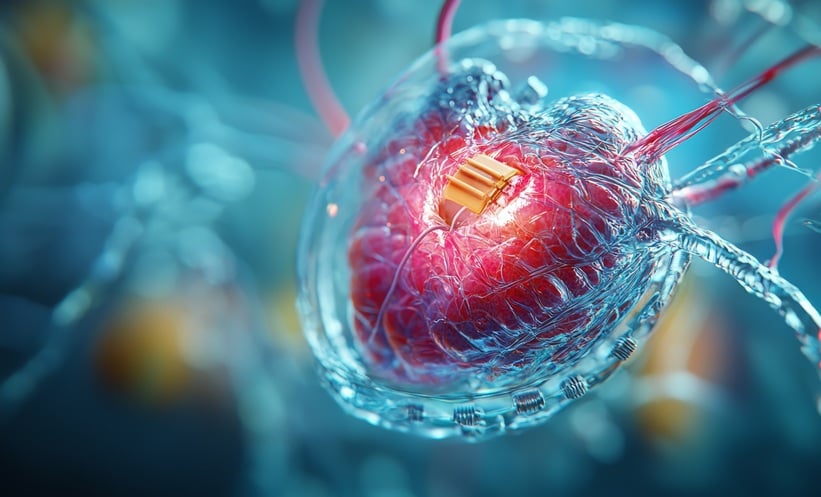
Lifelong pacing has long been a major challenge for patients with brady-arrhythmia due to the limitations of battery-dependent devices. The newly developed symbiotic transcatheter pacemaker addresses this by harvesting kinetic energy directly from heart motion through electromagnetic induction. This innovative energy regeneration could allow pacemakers to operate indefinitely, potentially matching the lifespan of the human heart.
The device is small enough for interventional delivery and demonstrates excellent biocompatibility and hemocompatibility, ensuring it integrates seamlessly with cardiac tissue. To reduce energy loss and eliminate mechanical friction, researchers introduced a magnetic levitation energy cache, which allows near-zero threshold booting and high kinetic energy conversion efficiency.
Long-Term Function Demonstrated in Preclinical Model
In a month-long study using pigs with brady-arrhythmia, the pacemaker demonstrated sustained energy regeneration and reliable therapeutic pacing without external power sources. The intracardiac root mean square output power remained stable throughout, showcasing the device’s capability to maintain normal cardiac rhythm autonomously. These results indicate a potential shift in pacemaker technology, moving away from reliance on battery replacement surgeries and towards self-sustaining devices.
Implications and Future Directions
The symbiotic transcatheter pacemaker could redefine cardiac care, offering patients a device that lasts a lifetime and reduces procedural risks associated with battery replacements.
While these findings are preclinical, they highlight a promising path for human trials. Future research will need to validate safety, long-term performance, and scalability before widespread clinical adoption. If successful, this technology may dramatically improve quality of life for patients with chronic heart rhythm disorders and reduce healthcare costs associated with repeated pacemaker surgeries.
Reference
Ouyang H et al. Symbiotic transcatheter pacemaker for lifelong energy regeneration and therapeutic function in porcine disease model. Nat. Biomed. Eng. 2026; DOI:10.1038/s41551-025-01604-4.