BACKGROUND AND AIMS
Tuberculosis (TB) screening is crucial for people in custody, as people with HIV (PWH) in custody face a compounded risk. This study investigated TB screening incidence, detection, and treatment practices of PWH in custody within the Illinois Department of Corrections (IDOC).1
MATERIALS AND METHODS
The authors conducted a retrospective chart review of PWH serviced by the University of Illinois Health (UIH) IDOC telemedicine HIV clinic. Adult PWHs under care of UIH’s HIV telemedicine team during custody from January 2021–October 2024 were included in the study. If an individual was reincarcerated during the study period, each unique encounter was included. The primary objective was the incidence of PWH screened for TB in IDOC. Secondary objectives were incidence of latent or active TB, appropriateness of TB or latent TB infection treatment, drug–drug interactions (DDI), and viral and immunologic function at intake versus release or completion of TB treatment, whichever occurred first.
RESULTS
Of the participants, 91.5% were male, 76.4% were Black, and the average age was 37.5 years. TB screening occurred in 96.5% (249) of PWH in custody, with 95.6% (238/249) being negative, 2.4% (6/249) indeterminate, 2% (5/249) positive, and 0% with active TB (Figure 1). Six required latent TB treatment (only two were guideline-appropriate), 83.3% (5/6) of whom possessed DDIs, and 100% of DDIs were identified and mitigated by the HIV telemedicine team. At release, all PWH treated for latent TB infection achieved CD4 counts >200 cells/mm³ and viral suppression (<200 copies/mL).
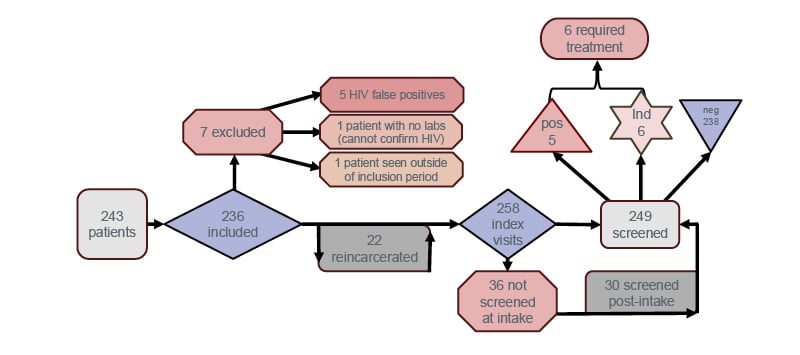
Figure 1: Patient flow and primary objective.
Ind: indeterminate; neg: negative; pos: positive.
CONCLUSION
The study found high TB screening incidence and low latent TB rates with no active TB. The UIH telemedicine team played a major role in identifying and mitigating TB and HIV DDIs, and recommending TB screening post-intake, which may have otherwise been missed. Favorable HIV outcomes were maintained during custody while receiving latent TB treatment. A need for TB and HIV treatment education was identified for IDOC providers.