Learning from Nature’s Long Battle with Infection
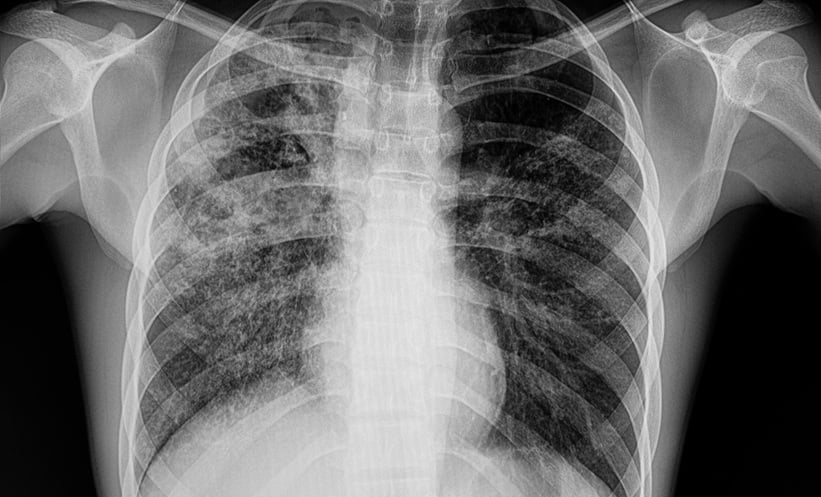
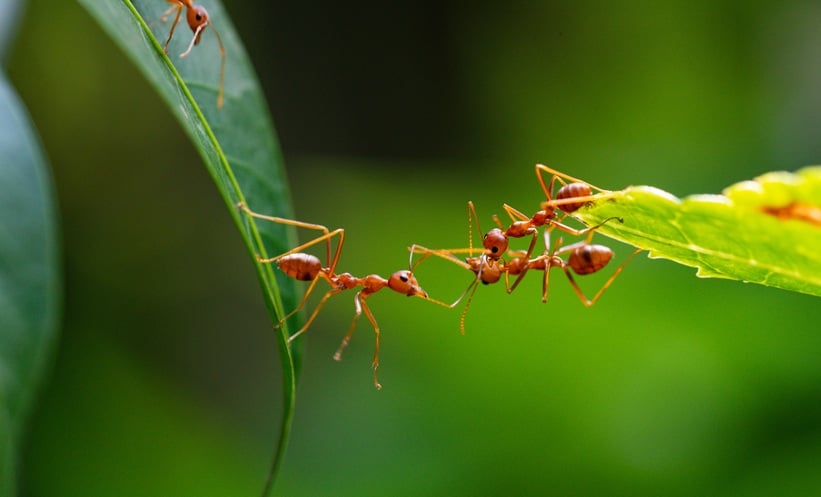
ANTIMICROBIAL resistance is one of the most pressing global health threats, with drug-resistant infections claiming millions of lives each year. While humans have relied on antibiotics for less than a century, ants and other social insects have been using antimicrobial strategies for tens of millions of years, without triggering widespread resistance.
A new study suggests that ants may hold valuable lessons for infectious disease control, including potential leads for novel antibiotics.
How Ants Protect their Colonies from Disease
Living in dense colonies increases the risk of infection, yet ants thrive thanks to sophisticated social immune defences. These include exocrine glands that produce antimicrobial compounds, which are spread through grooming and nest maintenance.
Researchers tested whether ants use chemically diverse and pathogen-specific antimicrobials, two strategies thought to reduce the risk of resistance. Extracts from six common ant species found in the southeastern United States were tested against Gram-positive bacteria, Gram-negative bacteria, and fungi.
Diverse and Targeted Antimicrobial Activity
The results showed that ants produce antimicrobials with different chemical properties, effective in both polar and non-polar extracts. Importantly, antimicrobial activity varied by pathogen type, suggesting that ants deploy targeted compounds rather than broad-spectrum agents that kill indiscriminately. This mirrors a key goal in modern infectious disease medicine: targeting harmful pathogens while preserving beneficial microbes.
A Surprising Weapon Against Candida Auris
One of the most striking findings was that five of the six ant species inhibited Candida auris, an emerging fungal “superbug” that has caused outbreaks in hospitals worldwide and shows resistance to multiple antifungal drugs. The fact that ant-derived compounds were effective against such a difficult-to-treat pathogen highlights their potential medical relevance.
Implications for Development of Antibiotics
Researchers suggest that ants may maintain antimicrobial effectiveness by rotating between different compounds or using pathogen-specific agents, reducing selective pressure for resistance. These principles could inform more sustainable antibiotic use in humans. Although the study focused on just six species, the findings point to ants as a vast and largely untapped source of antimicrobial compounds.
From the Nest to the Clinic?
Further research will aim to identify the exact chemical structures of these compounds and understand how ants deploy them. While clinical applications remain a long-term goal, this study shows the value of looking to nature for solutions to modern infectious disease challenges, and may help inspire new strategies to combat drug-resistant infections.
Reference
Chon MK et al. Dual strategies in ant antimicrobial defences: evidence for chemical diversity and microbial specificity. Biol J Linn Soc. 2025;146(4):blaf123.