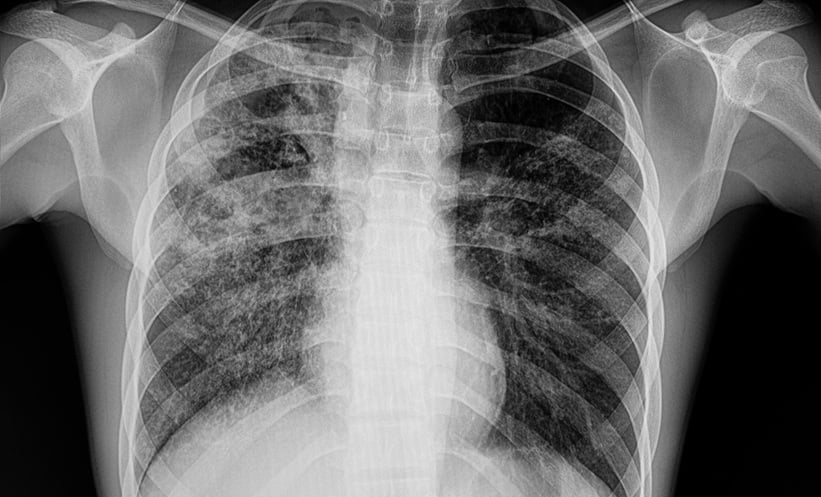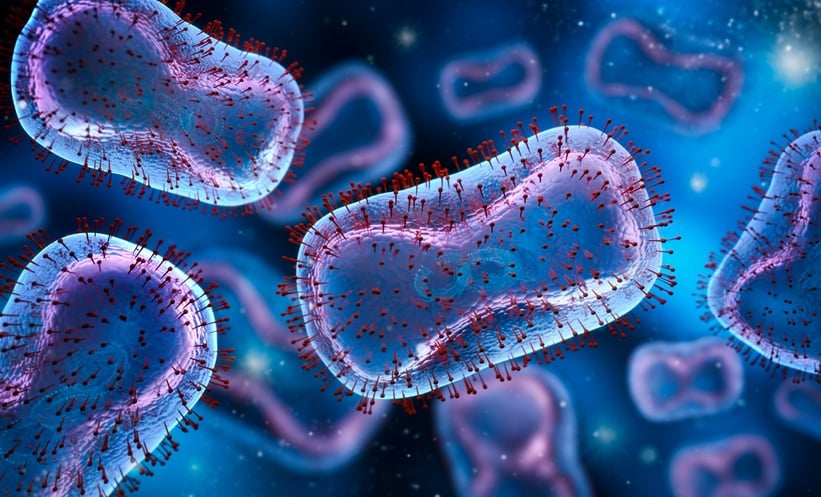
THE UK HEALTH Security Agency (UKHSA) has identified a new recombinant mpox virus in England, containing genetic elements from both clade Ib and IIb mpox. The case involved an individual recently returning from Asia. Genomic surveillance indicates that while this evolution is not unexpected, it underscores the virus’s capacity to change and the importance of ongoing monitoring.
Katy Sinka, Head of Sexually Transmitted Infections at UKHSA, emphasised the role of genomic testing in early detection. She noted that mpox infection is often mild but can be severe, and vaccination remains the most effective method to prevent serious disease. UKHSA continues to evaluate the significance of the new strain.
Clade Ib Mpox Detected in UK
Since October 2024, the UK has confirmed multiple cases of clade Ib mpox, including in London, East Sussex, Leeds, and the North East of England. Most cases involved individuals who had recently travelled to areas with ongoing transmission in Africa, particularly Uganda. Some clusters also indicate limited household transmission. Importantly, the risk to the wider UK population remains low, and no community outbreaks have been reported.
Globally, small numbers of clade Ib mpox cases have been reported in the USA, Spain, Italy, the Netherlands, and Portugal, suggesting community transmission among groups not previously affected, particularly gay, bisexual, and other men who have sex with men. UKHSA has shared findings with the World Health Organization (WHO) to support international monitoring.
Vaccination and Public Health Guidance
The UK has a routine mpox vaccination programme targeting eligible groups, including those with multiple sexual partners, participants in group sex, and visitors to sex-on-premises venues. Studies suggest vaccines are 75–80% effective against clade II mpox, and protection is expected for clade Ib mpox. UKHSA urges all eligible individuals to get vaccinated to reduce the risk of severe infection.
Common mpox symptoms include a skin rash or pus-filled lesions lasting 2–4 weeks, fever, headache, muscle aches, back pain, low energy, and swollen lymph nodes. The virus spreads mainly through close contact, including sexual activity or contact with contaminated materials. Anyone experiencing symptoms should contact NHS 111 and avoid close contact until cleared.
UKHSA and NHS services remain fully prepared to manage cases of clade Ib mpox, with established protocols for contact tracing, vaccination, and clinical management. Healthcare professionals are encouraged to remain vigilant and ensure eligible individuals are offered vaccination, particularly during periods of increased social interaction such as Winter Pride events.
UKHSA continues to publish updates and technical briefings on clade Ib mpox and advises healthcare professionals to maintain heightened awareness for timely detection and response.
Reference
UKHSA. New mpox strain identified in England. 2025. Available at: https://www.gov.uk/government/news/ukhsa-detects-first-case-of-clade-ib-mpox. Last accessed: 10 December 2025.