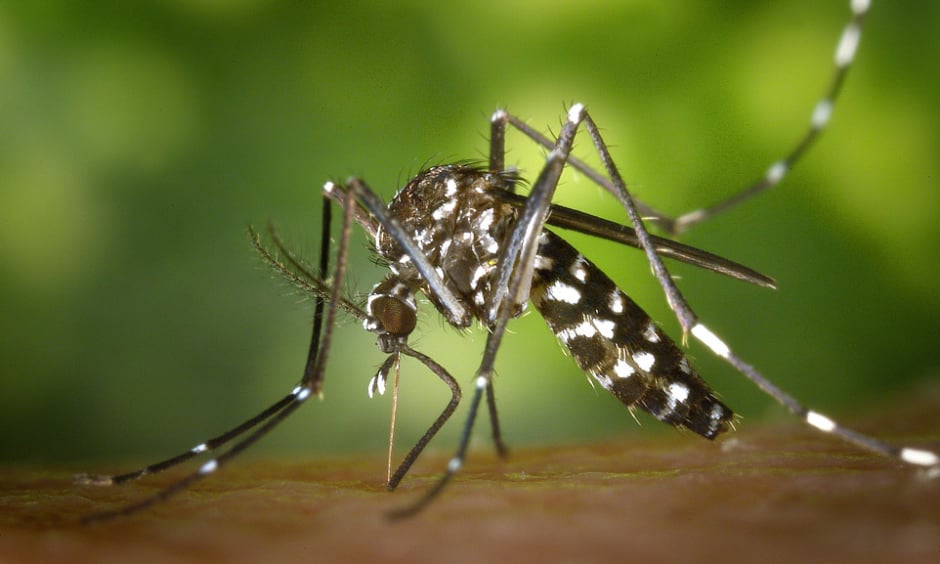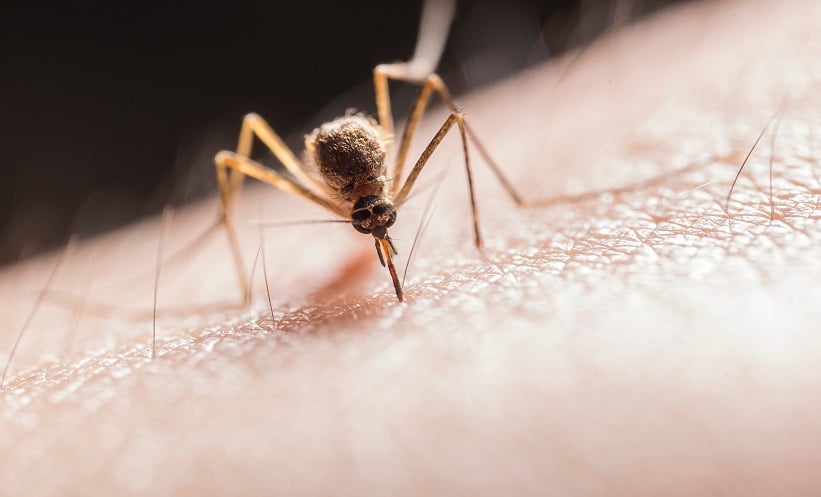
A LARGE community trial in Singapore suggests that using Wolbachia-infected mosquitoes could offer a powerful new tool to curb dengue. Dengue is a viral infection spread by Aedes aegypti mosquitoes that can cause fever, severe pain and, in some cases, life-threatening complications.
Wolbachia Mosquito Strategy Targets Dengue
In this study, male A. aegypti mosquitoes were deliberately infected with the wAlbB strain of Wolbachia bacteria and released into residential areas. When wild female A. aegypti mate with these Wolbachia-infected males, their eggs do not hatch due to a process known as cytoplasmic incompatibility. Over time, repeated releases can drive down the local mosquito population, potentially cutting the risk of dengue transmission.
Trial Shows Fewer Mosquitoes and Fewer Dengue Cases
The cluster-randomised trial divided 15 high-risk residential clusters into eight intervention clusters, which received Wolbachia mosquitoes, and seven control clusters without releases. More than 390,000 residents lived in intervention areas and over 330,000 in control areas. At baseline, wild adult female A. aegypti abundance was similar in both groups.
From 3 months after releases began, the average number of adult female mosquitoes per trap fell to 0.041 in intervention clusters, compared with 0.277 in control clusters. Over the period from 6 months onwards, 6% of residents tested in intervention areas were dengue-positive, versus 21% in control areas. The calculated protective efficacy of Wolbachia exposure ranged from 71% to 72%, based on odds ratios of 0.28–0.29 for symptomatic, laboratory-confirmed dengue.
Real-World Promise
The trial concluded that releasing sterile male Wolbachia mosquitoes reduced both vector populations and the risk of dengue infection in this urban setting. While the design links Wolbachia exposure to substantially lower odds of symptomatic dengue, it does not prove the approach will have identical effects in other cities or ecological conditions.
Even so, these findings provide encouraging evidence that Wolbachia mosquitoes could complement existing vector control measures, especially in densely populated tropical areas where dengue is endemic and traditional control alone has struggled to keep transmission in check.
Reference
Lim JT et al; Project Wolbachia–Singapore consortium. dengue suppression by male Wolbachia-infected mosquitoes. N Engl J Med. 2026; doi:10.1056/NEJMoa2503304.