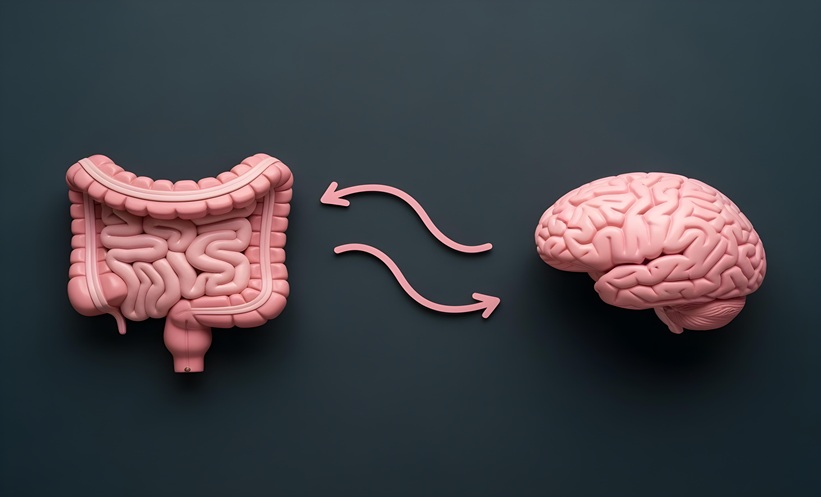
TRAUMATIC brain injury (TBI) triggered less neuroinflammation and smaller brain lesions in mice treated with short-term antibiotics, according to new preclinical research exploring the gut–brain axis.
TBI remains a major cause of death and disability worldwide, often leading to persistent neuroinflammation, progressive tissue damage, and long-term neurological impairment. Increasing evidence has linked TBI to gut microbiome dysbiosis, raising questions about whether modifying the microbiome could influence brain recovery.
Gut Microbiome Influences Brain Inflammation
In this new study, male mice underwent controlled brain injuries followed by a brief course of oral antibiotics. Researchers observed marked reductions in bacterial abundance and altered microbial diversity in faecal samples after antibiotic treatment, with more pronounced shifts after two injuries. Despite this disruption to the gut microbiome, antibiotic-treated mice demonstrated significantly smaller lesion volumes and reduced cell death compared with vehicle-treated controls after repeated injury.
Importantly, antibiotic exposure also attenuated microglial and macrophage activation, lowered pro-inflammatory cytokine levels, and reduced astrogliosis and peripheral immune cell infiltration in the brain. These findings indicated that modifying the gut microbiome influenced neuroinflammatory pathways central to secondary brain injury.
Microbial Shifts Beyond Short-Chain Fatty Acids
In the gut, increasing injury severity was associated with villus shortening and loss of mucus-producing cells. Antibiotic treatment further modified these structural changes. Circulating short-chain fatty acids (SCFA), along with related microbial metabolic functions, were reduced following antibiotic exposure. However, the neuroprotective effects observed were not explained by SCFA levels, suggesting alternative mechanisms within the gut–brain axis.
Long-read metagenomic sequencing identified Parasutterella excrementihominis and Lactobacillus johnsonii as taxa that persisted despite antibiotic treatment, pointing to potentially resilient microbial populations.
Notably, germ-free mice exhibited worse outcomes, including increased lesion volumes and exacerbated gliosis after TBI. This finding highlighted that while targeted microbiome remodelling may reduce neuroinflammation, complete absence of gut microbiota may be detrimental.
Translational Challenges Remain
Despite the promising results, there are important limitations to consider. The study was conducted exclusively in male mice using controlled injury models. Previous neuroprotective strategies that showed promise in rodents have frequently failed in human TBI trials, and differences in microbiome composition, immune responses and injury heterogeneity may limit direct translation. Whether similar microbiome-mediated neuroprotective effects would be observed in humans with TBI remains to be seen.
Nevertheless, the data suggested that transient antibiotic-induced gut microbiome remodelling may reduce neuroinflammation after TBI through mechanisms independent of short-chain fatty acids. Future studies will need to clarify the precise immune and microbial pathways involved, and whether microbiome-targeted strategies could offer a novel adjunctive therapy for patients with TBI.
Reference
Flinn H et al. Antibiotic-induced gut microbiome remodelling reduces neuroinflammation in traumatic brain injury. Commun Biol. 2026; DOI:10.1038/s42003-026-09737-1.
Featured image: Autism in Focus on Adobe Stock