Delayed-Window Success with Advanced Imaging
MECHANICAL thrombectomy with CT perfusion helped recovery 28 hours after sudden symptom onset in a 34-year-old with ICA dissection.
Mechanical Thrombectomy Guided by CT Perfusion
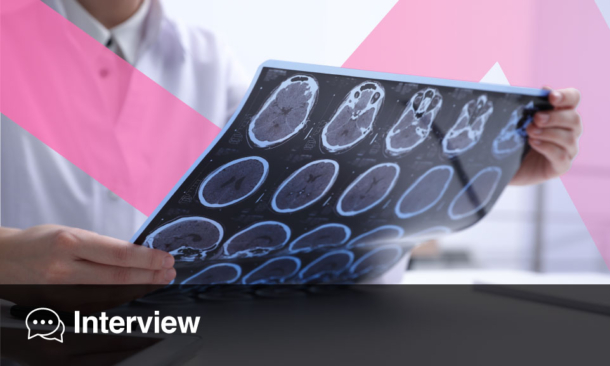
A case report describes a young adult who presented with acute neurological deficits after a fall and transient loss of consciousness, then later woke with left-sided weakness and speech disturbance. Initial head CT demonstrated a right-sided infarct, and CT angiography identified right internal carotid artery dissection with middle cerebral artery occlusion, consistent with a large vessel occlusion stroke.
Despite being well beyond conventional symptom-onset treatment windows referenced in clinical guidance, CT perfusion imaging showed a large ischemic penumbra with a comparatively small infarct core. Based on this favorable tissue profile and clinical status, the team proceeded with mechanical thrombectomy at approximately 28 hours after onset.
Neurological Recovery After Revascularization
The procedure achieved successful revascularization, followed by substantial neurological improvement. At discharge, the patient had a modified Rankin Scale score of 1 and a National Institutes of Health Stroke Scale score of 1, reflecting marked functional recovery over the inpatient course described.
The authors highlight this case as an example of how advanced neuroimaging can support decision-making in delayed presentation ischemic stroke when imaging suggests potentially salvageable brain tissue. They also emphasize internal carotid artery dissection as an important stroke etiology in younger adults, particularly when large vessel occlusion is present.
Context of Extended Windows in Selected Patients
The report situates this approach within a broader shift from time-based to tissue-based assessment in acute stroke pathways, noting that modern imaging may identify patients with viable penumbral tissue beyond traditional time limits. The authors frame thrombectomy beyond the usual norm as potentially viable in carefully selected cases, while acknowledging that evidence remains less established outside currently studied timeframes.
Reference: Qureshi B. Beating the Clock: Successful Thrombectomy 28 Hours After Stroke in a Young Adult With Internal Carotid Artery Dissection. Cureus. 2025;17(12):e98724. doi:10.7759/cureus.98724.