Mental Imagery After Stroke and Early Rehabilitation Outcomes
MENTAL imagery after stroke was positively associated with cognitive performance during early rehabilitation, but it did not predict functional independence outcomes measured by the Barthel Index.
Mental Imagery After Stroke Correlates with Cognitive Performance
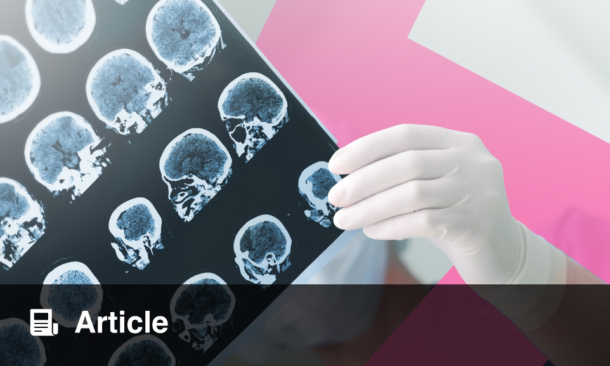
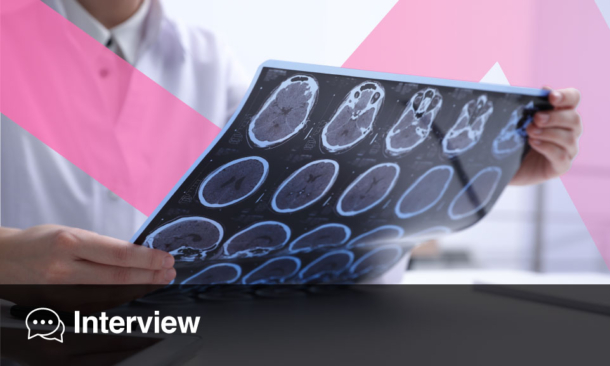
Mental imagery (MI) supports planning, memory, and skill rehearsal, and MI based training is increasingly considered during stroke rehabilitation. However, less is known about how MI ability presents in stroke survivors early in rehabilitation and whether it relates to cognition and recovery.
In this exploratory study, 30 sub acute stroke patients within three months of onset completed a neuropsychological battery that included the Mental Imagery Test (MIT) alongside measures of cognitive performance and language and executive function. Cognitive performance was assessed using Mental Performance in Stroke (MEPS) and executive efficiency using the Frontal Assessment Battery (FAB). Additional testing included the Token Test (TT) and the Vividness of Visual Imagery Questionnaire (VVIQ). Clinical variables were recorded, and functional outcomes were measured with the Barthel Index at admission and discharge.
Across analyses, higher MIT scores were significantly associated with better overall cognitive performance on MEPS and stronger executive efficiency on FAB. The relationship between mental imagery after stroke and MEPS performance appeared to be largely driven by visuo spatial tasks, suggesting that imagery ability may be particularly intertwined with spatial cognitive processing during early rehabilitation.
Unilateral Spatial Neglect Impairs Mental Imagery After Stroke
The study also identified unilateral spatial neglect as a factor that detrimentally affected performance on the MIT. This finding reinforces the clinical relevance of screening for visuo spatial deficits when interpreting mental imagery performance and considering whether imagery-based approaches are appropriate for an individual patient.
Functional Independence Did Not Track Mental Imagery After Stroke
Despite the cognitive associations, mental imagery after stroke was not significantly related to functional independence gains. MIT scores did not predict Barthel Index derived measures including change in Barthel Index (ΔBI), Rehabilitation Efficiency (REy), or Rehabilitation Effectiveness (REs).
The authors suggest one possible explanation is that general mental imagery assessments may not be sensitive to physical recovery trajectories, particularly if motor recovery depends more on motor imagery rather than general imagery ability. Clinically, the results support assessing mental imagery after stroke in the context of visuo spatial and executive functioning before implementing imagery-based rehabilitation protocols, while highlighting the need for future work on more targeted and individualized interventions.
Reference: Ottonello M et al. Mental imagery after stroke: an exploratory study to investigate the relationship with cognitive and motor performance during rehabilitation. Neurol Sci. 2025;47(1):19.