Gradual Rise in CT Scans Among Older Adults
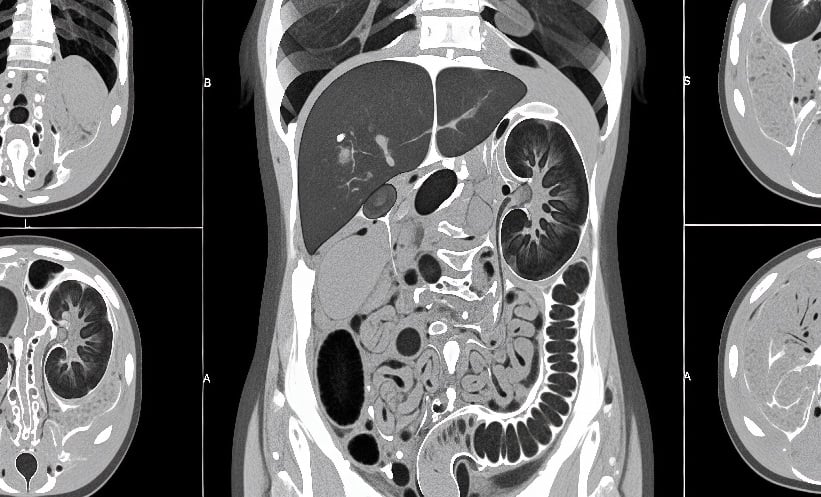
AT A SINGLE quaternary-care academic hospital, the proportion of computerised tomography (CT) scans performed on patients aged 60–90 increased from 50.4% in 2014 to 58.3% in 2024. This trend raises attention to cumulative radiation exposure in older adults, who are increasingly undergoing multiple imaging procedures. CT scans use X-rays to generate detailed internal images and are critical for diagnosing conditions such as fractures, cancers, and cardiovascular disease, but repeated scans can incrementally raise radiation risk.
The study found that elderly patients are the primary recipients of recurrent CT exams. In 2024, 26.6% of patients aged 60 and above underwent two or more scans per year, compared with 25.6% in 2014. High-frequency use—including five or more scans annually—is also largely concentrated in this age group. By contrast, younger adults saw a decline in repeated imaging, dropping from 17.4% to 12.7% over the same period. These patterns highlight how cumulative exposure is particularly relevant for older adults within this hospital population.
How the Study Measured CT Frequency
Researchers analysed all CT exams performed from 2014 to 2024, stratifying patients by decade of age. They calculated annual CT volume and per-patient exam frequency, focusing on high-frequency use (≥2, ≥3, ≥5, and ≥10 exams per year). Temporal trends were assessed using centred log-ratio transformation and linear regression. The study projects that elderly patients could account for nearly two-thirds of all CT scans at this hospital by 2035.
Limitations to Consider
These findings are based on data from a single hospital and may not reflect national or international trends. The study does not link imaging frequency to clinical outcomes, and individual radiation doses were not quantified. Radiation risk per single scan remains low, but repeated exposure can accumulate over time.
Implications for Clinical Practice
The data emphasises the need for careful CT planning in older adults. Clinicians should balance diagnostic benefit with cumulative radiation exposure, optimise imaging protocols, and consider alternative modalities when feasible. As older patients account for an increasing proportion of scans, strategies to ensure justified, safe imaging will be critical for patient-centred care.
Reference
Pham G et al. Computed tomography utilization and radiation risk in the elderly: Let us not downplay frequent imaging. Br J Radiol. 2026;DOI:10.1093/bjr/tqag051.
Featured image: Mbahjuri on Adobe Stock