WAR-RELATED disruptions to major international transport routes in the Middle East are delaying the delivery of lifesaving reproductive health supplies for women and girls worldwide, the United Nations Population Fund (UNPFA) warned on Thursday.
Even short delays can lead to women giving birth in unsafe conditions, survivors of sexual violence missing critical treatment windows, and health facilities being short of essential equipment.
Shipments are already experiencing delays of up to one month, UNPFA reported, with substantial delays in sea freight moving between Asia, the Middle East, and Africa.
Eric Dupont, Acting Chief of the Supply Chain Management Unit, UNFPA, New York, USA, said: “This conflict has dismantled the routes we rely on to deliver reproductive and maternal health commodities.
“Between logistical bottlenecks, skyrocketing shipping costs, and extended transit times, our ability to reach the most vulnerable women and girls is under strain.
“Every day of shipment delay unnecessarily risks women’s lives, and every price increase reduces the number of girls and mothers who can benefit from lifesaving commodities and equipment.”
Impact on Reproductive Health
Among affected supplies are reproductive health kits containing medicine and equipment to support safe childbirth, manage obstetric complications, provide contraception, and deliver clinical care for survivors of rape.
Operational and security equipment have also been impacted.
Labour and delivery room equipment is delayed in 16 countries supported by UNFPA
Delays to labour and delivery room equipment intended for 45 hospitals are affecting 16 countries supported by UNFPA.
They are also impacting surgical equipment for 28 referral hospitals, assisted delivery equipment for 15 hospitals, and more than 1.2 million male condoms.
Said delays will reportedly hinder the access of 18,000 pregnant women to safe delivery care, nearly 2,000 women to receiving treatment for complications from miscarriage or abortion, 30,400 survivors of sexual violence to urgent post-rape treatment, and more than 2,600 women and girls to contraceptive services.
Affected Transport Routes
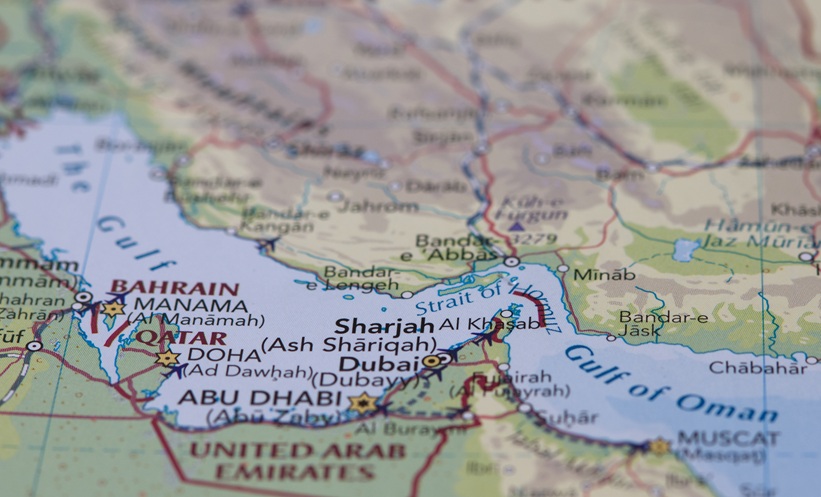
Many of UNFPA’s humanitarian supplies are routed through Dubai, which is experiencing a significantly reduced transport capacity.
To avoid key corridors in the conflict zone, such as the Strait of Hormuz and the Suez Canal, carriers are rerouting vessels around the horn of Africa, UNFPA reported.
Air freight has also been affected, including through significant transit hubs like Dubai, Doha, and Abu Dhabi.
New “war risk” surcharges ranging from 200 USD to 4,000 USD per container are also being imposed, alongside higher fuel prices and insurance costs.
Fewer reproductive health supplies can be delivered with the same level of funding as a result.
Reproductive Health in Lebanon
In Lebanon, 13,500 pregnant women have been displaced, UNFPA estimates.
It is calling for partners, including donors and the private sector, to come forward to collaborate on innovative solution to ensure lifesaving supplies are provided to vulnerable women in conflict zones.
For example, through the European Union Humanitarian Air Bridge, UNFPA was able to deliver reproductive health kits to women in Lebanon within days, at no cost.
Alternative Delivery
UNFPA is reportedly working with partners to map alternative routes through which reproductive health supplies can be delivered.
In the meantime, and in preparation for supply disruptions, UNFPA stores emergency supplies across several global warehouses: reproductive health and dignity kits are stored in the Netherlands and Türkiye, emergency field hospitals are set up in China, and ambulances are stationed in Gibraltar.
This, UNFPA reported, has enabled aid operations to continue at a reduced level amid the major supply route disruptions.
Featured image: Robert on Adobe Stock