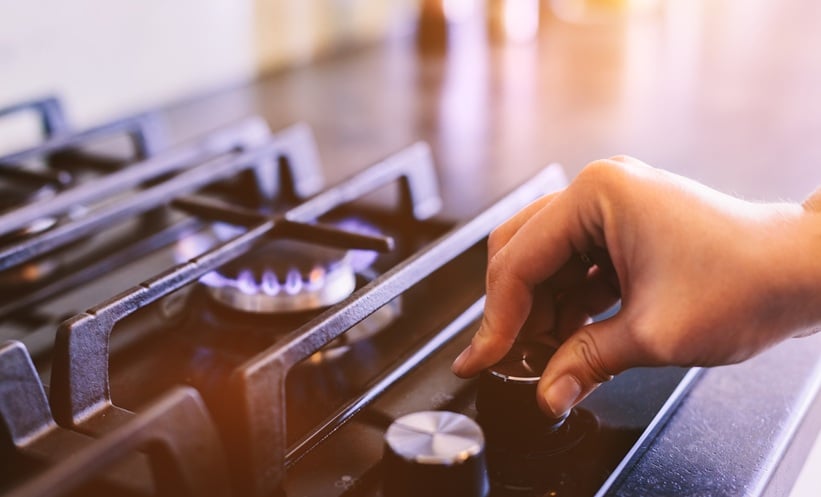
FOR YEARS, scientists have tracked outdoor air pollution, especially nitrogen dioxide (NO₂), through satellites and ground monitors to estimate health risks. But a new nationwide analysis reveals a major missing piece: the pollution produced inside people’s homes. According to the study, gas and propane stoves are a far more significant contributor to residential NO₂ exposure than previously understood, rivalling or even exceeding outdoor sources.
Indoor Sources Identified as Major Contributors of NO2 Exposure
Researchers created the first ZIP-code-level estimate of total residential NO₂ exposure across the USA, integrating both outdoor pollution and indoor emissions from cooking. To build this model, the team combined detailed indoor NO₂ measurements collected across more than 15 USA cities with national data on housing characteristics, stove type, and cooking habits in 133 million homes.
The findings were striking: people who cook with gas experience an average long-term NO₂ exposure of ~10 ppbv, with the heaviest-using households (top 5% of gas burned) reaching 18 ppbv or higher. In contrast, households with electric stoves experience ~8 ppbv, all attributable to outdoor sources, since electric appliances do not generate NO₂.
Health Standards Exceeded in Millions of Homes
The study estimates that 22 million Americans would fall below the World Health Organization (WHO)’s long-term NO₂ exposure guideline if they stopped cooking with gas or propane. Gas stoves were also responsible for more than 99% of all residential exceedances of the WHO’s one-hour air quality limit.
The results highlight a major public-health consideration: gas and propane stoves are a dominant source of NO₂ exposure, often greater than all outdoor sources combined. As conversations continue around indoor air quality and the health impacts of gas appliances, researchers say these findings may help inform future policy, ventilation standards, and consumer choices.
Reference
Kashtan Y et al. Integrating indoor and outdoor nitrogen dioxide exposures in US homes nationally by ZIP code. PNAS Nexus. 2025;4(12):pgaf341.