IN idiopathic pulmonary fibrosis, 12 months of pulmonary rehabilitation increased cerebral oxygenation, VO₂peak, and mood.
Pulmonary Rehabilitation Improved Cerebral Oxygenation
Idiopathic pulmonary fibrosis is a progressive lung disease marked by exertional dyspnea, oxygen desaturation, and exercise intolerance. The investigators noted that desaturation during exertion may contribute to cerebral hypoxia during exercise and, in turn, to reduced tolerance. This study evaluated whether long-term pulmonary rehabilitation could enhance cerebral oxygenation during exercise in patients with idiopathic pulmonary fibrosis, with additional assessment of functional capacity and psychological health.
Twelve-Month Program and Study Measures
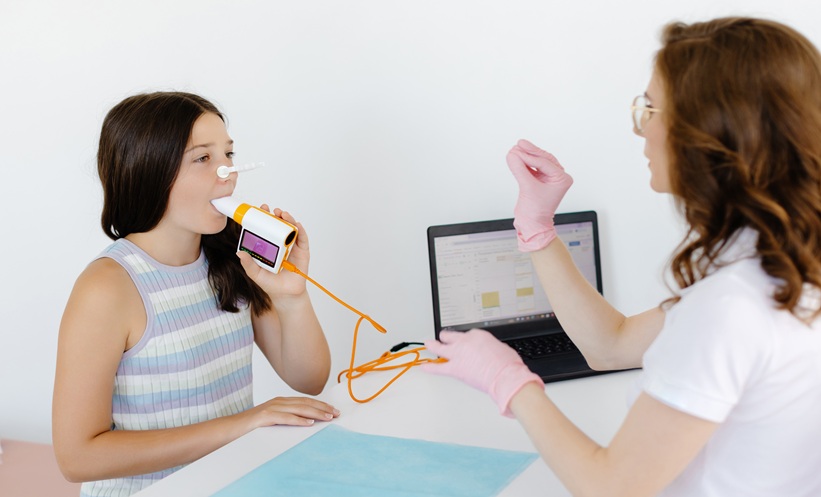
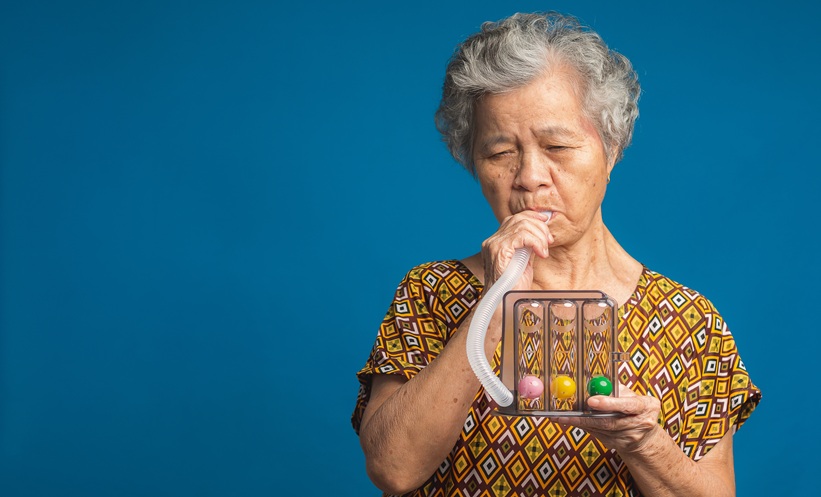
Sixteen patients with idiopathic pulmonary fibrosis (mean age: 68.7±6.4 years) receiving antifibrotic therapy completed a 12-month supervised pulmonary rehabilitation program that included aerobic, resistance, flexibility, and breathing exercises. Participants underwent pre- and post-intervention assessments with spirometry and cardiopulmonary exercise testing. Cerebral oxygenation during exercise was measured using near-infrared spectroscopy. Secondary outcomes included cognitive function measured by the Mini-Mental State Examination, anxiety and depression symptoms measured by the Hospital Anxiety and Depression Scale, and physical activity measured by the International Physical Activity Questionnaire.
Exercise Capacity, Activity, and Psychological Health
After pulmonary rehabilitation, cerebral oxygenated hemoglobin mean response during exercise was higher than at baseline (p=0.04). Isowork oxygenated hemoglobin responses at 50% and 75% of the pre-rehabilitation peak workload were also significantly elevated (p=0.006). Functional performance improved, including higher VO₂peak (p=0.01), longer cardiopulmonary exercise testing duration, and higher peak workload (p=0.02). Hospital Anxiety and Depression Scale anxiety and depression scores decreased (p=0.01 and p<0.001, respectively). Mini-Mental State Examination scores were not significantly changed (p=0.054). Physical activity levels increased from “low” to “moderate” (p<0.001).
Oxygenation Changes Correlated with Performance
Training-induced improvements in cerebral oxygenation were significantly correlated with improvements in exercise capacity, including VO₂peak percent predicted (r=0.54; p=0.03) and peak workload (r=0.54; p=0.03). Improvements in cerebral oxygenation were also correlated with modified Medical Research Council dyspnea scores (r=0.63; p=0.01). The authors concluded that long-term pulmonary rehabilitation enhanced cerebral oxygenation during exercise alongside improved exercise capacity, physical activity, and psychological well-being in idiopathic pulmonary fibrosis.
Reference: Kritikou S et al. Long-Term Pulmonary Rehabilitation Enhances Cerebral Oxygenation, Functional Capacity, and Psychological Health in Idiopathic Pulmonary Fibrosis. Medicine & Science in Sports & Exercise. 2025; DOI: 10.1249/MSS.0000000000003898.