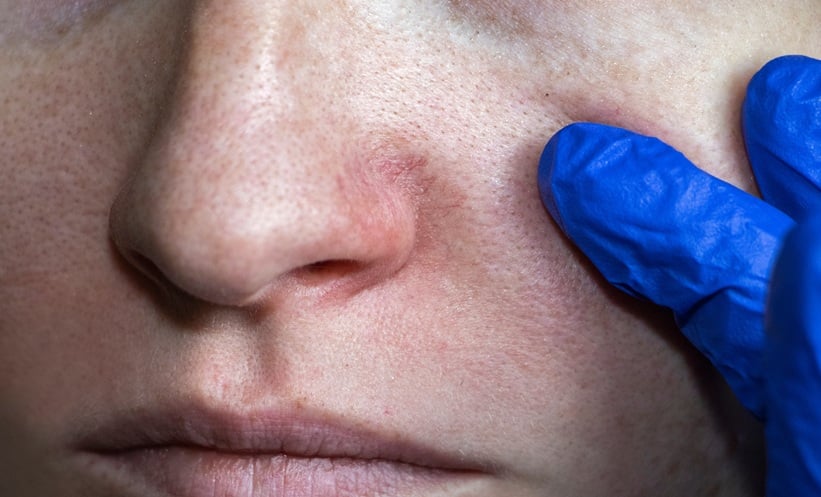
ACNE incidence was higher in transmasculine transgender individuals, peaking after testosterone initiation, in matched EHR cohorts.
Study Design and Outcomes
Researchers performed a retrospective matched cohort study using electronic health record data across four U.S. health plan regions, with index dates spanning January 2006 to February 2022. Participants had no baseline acne and were followed for up to 5 years after the earliest documentation of transgender status. Transmasculine and transfeminine individuals were matched to cisgender men and cisgender women by age, self-reported race and ethnicity, enrollment year, and geographic region. Analyses were conducted between November 2024 and November 2025, with an exploratory assessment of acne care utilization by transgender status.
The primary outcome was incident acne, defined as the first acne-coded clinical visit after the index date. Moderate to severe acne was defined as incident acne followed by a prescription fill for isotretinoin or at least 30 days of oral antibiotics. Overall, 12,156 transgender individuals initiated gender-affirming hormone therapy after the index date.
Acne Incidence in Transgender Individuals After Testosterone
Among 280,997 individuals without baseline acne, cumulative acne incidence at 5 years was 15.8% in transmasculine individuals, compared with 3.8% in matched cisgender men and 10.5% in matched cisgender women. Acne risk in transmasculine individuals was highest in the first year after testosterone initiation, compared with matched cisgender men (hazard ratio [HR] 8.29; 95% CI: 7.11–9.68) and matched cisgender women (HR 2.63; 95% CI: 2.33–2.97). Although risk remained elevated in later years, it declined compared with the initial post-initiation period.
Estradiol and Moderate to Severe Acne Risk
For transfeminine individuals, cumulative acne incidence at 5 years was 6.0%, compared with 2.9% in matched cisgender men and 8.4% in matched cisgender women. After estradiol initiation, transfeminine individuals had higher acne risk than cisgender men (HR 1.56; 95% CI: 1.31–1.84), but lower risk than cisgender women (HR 0.53; 95% CI: 0.46–0.62). Moderate to severe acne incidence followed similar patterns, indicating that a clinically meaningful subset required systemic treatment escalation.
Reference: Smith CA et al. Acne incidence and severity in transgender individuals. JAMA Dermatol. 2026;doi:10.1001/jamadermatol.2025.5597.