BACKGROUND AND AIMS
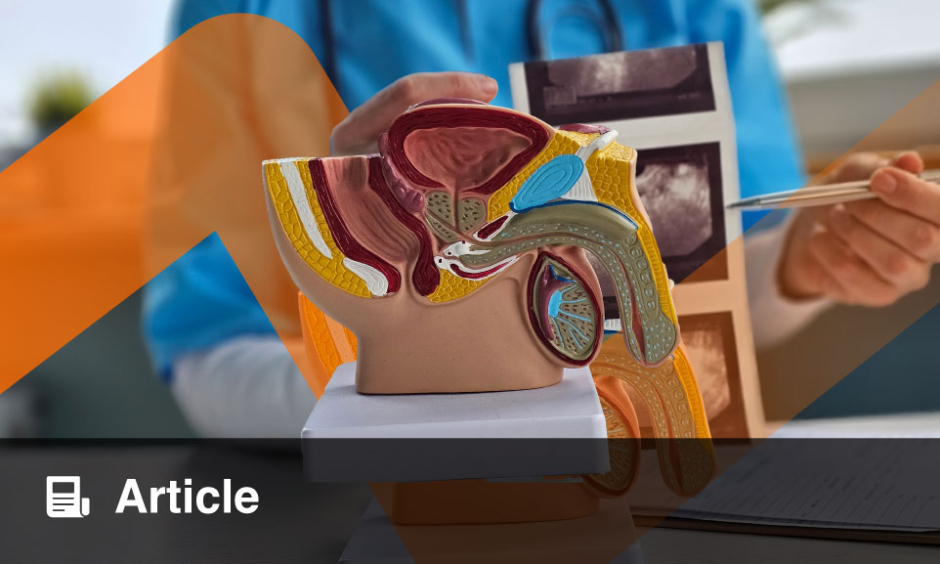
MRI-cognitive transperineal prostate biopsy (TPBx) performed under local anaesthesia (LA) is increasingly adopted as a minimally invasive, anatomically accessible technique with favourable diagnostic accuracy and low complication rates. This study prospectively evaluated its diagnostic performance and safety profile in a single-institution cohort.1
MATERIALS AND METHODS
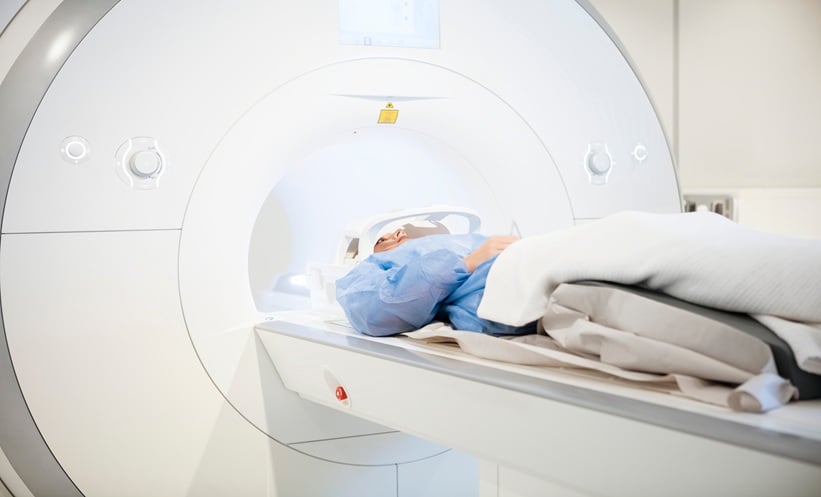
A total of 145 patients with Prostate Imaging Reporting and Data System (PI-RADS) ≥3 lesions on multiparametric MRI underwent MRI-cognitive TPBx under LA, combined with systematic sampling. For each target lesion, three cores were obtained. Demographic, radiologic, histopathologic, and perioperative outcomes were analysed, with prostate cancer graded using the International Society of Urological Pathology (ISUP) classification. Complications were prospectively recorded.
RESULTS
A total of 145 patients who underwent TPBx under LA were included in the study. The mean age of the cohort was 65.8±6.9 years, with a mean BMI of 26.1±3.42 kg/m2. The mean prostate-specific antigen level was 11.69±14.7 ng/mL, the mean prostate volume was 59.2±30.04 mL, and the mean prostate-specific antigen density was 0.22±0.33 ng/mL2. Regarding multiparametric MRI findings, 54 patients (37.3%) had PI-RADS 3 lesions, 65 patients (44.8%) had PI-RADS 4, and 26 patients (17.9%) had PI-RADS 5. The average number of biopsy cores obtained per patient was 15.82±1.56.
Complications were observed in 11 patients (7.58%). The most frequent event was urethral bleeding (n=8), followed by acute urinary retention (n=2) and macroscopic haematuria (n=1). No cases of post-biopsy fever were reported. Histopathological examination revealed malignant pathology in 88 patients (60.7%) and benign findings in 57 patients (39.3%). Distribution of ISUP grades was as follows: ISUP 1 in 14 patients (9.7%), ISUP 2 in 45 patients (31%), ISUP 3 in eight patients (5.5%), ISUP 4 in seven patients (4.8%), and ISUP 5 in 14 patients (9.7%). When comparing biopsy techniques, malignant detection rates were 51% in the cognitive group and 57.2% in the systematic group. Clinically significant prostate cancer was detected in 74 patients (51.0% overall), with 55 cases (37.9%) identified by cognitive biopsy and 52 cases (35.8%) by systematic biopsy. Clinically insignificant prostate cancer was detected in 14 patients (9.7%), including 19 cases (13.1%) in cognitive biopsy and 31 cases (21.4%) in systematic biopsy.
CONCLUSION
MRI-cognitive TPBx under LA demonstrates high detection rates for clinically significant prostate cancer with a low rate of complications. This technique provides a safe, effective, and patient-friendly alternative for prostate biopsy in contemporary clinical practice.