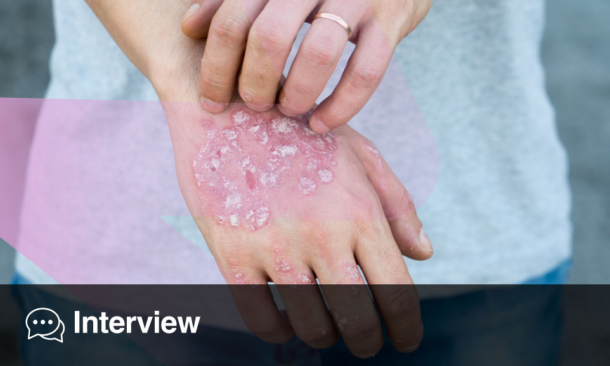
A LARGE Pan-European study has found high rates of addictive behaviours among patients with chronic inflammatory skin diseases, highlighting the need for routine screening and integrated mental health support within dermatology care.
Survey-Based Analysis of Addictive Behaviours in Europe
The multicentre cross-sectional study examined the prevalence and patterns of addiction in adults attending tertiary dermatology centres across Europe. Chronic skin diseases are known to cause significant psychological burden, but comprehensive data on addiction-related behaviours in this population have been limited.
Researchers recruited 3,585 adult patients from dermatology departments in 20 European countries. Participants were diagnosed with psoriasis (PSO), atopic dermatitis (AD), hidradenitis suppurativa (HS), alopecia areata (AA), urticaria, or vitiligo. A standardised questionnaire was used to collect sociodemographic data, disease characteristics, quality-of-life measures, and information on a broad range of addictive behaviours, including smoking, alcohol and drug use, gambling, internet addiction, and eating disorders.
The findings revealed substantial levels of addiction-related behaviours. Smoking was reported by 25.7% of participants, hazardous alcohol use by 8.8%, alcohol dependence by 2.5%, drug use disorders by 5.3%, pathological gambling by 4.5%, eating disorders by 1.8%, and internet addiction by nearly one-third of patients (29.7%). Smoking was particularly prevalent among patients with psoriasis and hidradenitis suppurativa, while gambling behaviours were more frequently observed in those with alopecia areata and vitiligo.
Addictive Behaviours Linked to Reduced Quality of Life
Multivariate analyses identified several factors associated with addictive behaviours, including male sex, younger age, being single, and geographic region. Importantly, higher scores on the Dermatology Life Quality Index (DLQI) were consistently associated with multiple forms of addiction, suggesting that poorer quality of life may contribute to maladaptive coping strategies in patients with chronic skin conditions.
The authors note several limitations of the study, including the absence of a control group, recruitment limited to tertiary care centres, and unknown response rates, which may restrict making a generalisation. Nevertheless, the study provides valuable insight into the psychosocial challenges faced by dermatology patients across Europe.
The authors conclude that systematic screening for addictive behaviours and access to supportive mental health interventions should be considered an integral part of dermatological care, particularly for patients with significant quality-of-life impairment. They call for future population-based studies with control groups to better define the magnitude and drivers of addiction risk in chronic skin disease.
Reference
Ziehfreund S et al. Addiction and chronic skin diseases: A Pan-European study on prevalence, associations and patient impact. J Eur Acad Dermatol Venereol.2025; 10.1111/jdv.70245
- Author: