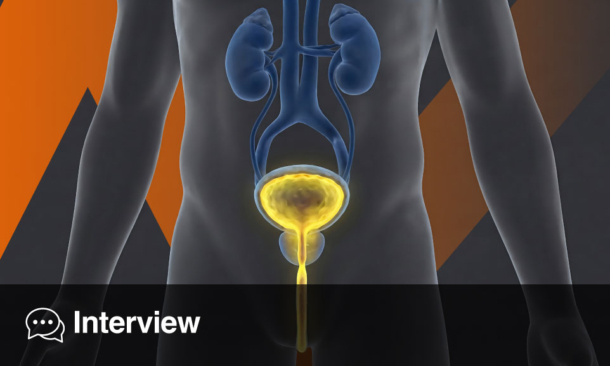
A NOVEL study has identified two genes, Apolipoprotein C1 (APOC1) and Nucleolar Protein 16 (NOP16), as potential early diagnostic markers for prostate cancer, offering a possible advance in detection strategies for this common malignancy.
Prostate cancer remains one of the most prevalent cancers in men globally, with early diagnosis critical to improving outcomes and guiding treatment decisions. Researchers conducted a comprehensive analysis using large genomic databases and clinical tissue samples to investigate whether APOC1 and NOP16 could reliably distinguish prostate cancer from benign conditions such as benign prostatic hyperplasia (BPH).
Prostate Cancer Biomarkers Identified in Genomic Analysis
The team analysed gene expression data from The Cancer Genome Atlas (TCGA) and Gene Expression Profiling Interactive Analysis (GEPIA) databases, including tumour samples from n = 51 patients. Both APOC1 and NOP16 were significantly elevated in prostate cancer tissues compared with non-malignant samples. These elevated expression levels also correlated with more advanced clinical stages of disease, suggesting that the genes may be linked to tumour progression.
To validate these findings at the protein level, immunohistochemical staining and enzyme-linked immunosorbent assays (ELISAs) were performed on serum and tissue samples from n = 61 patients with prostate cancer and n = 32 patients with BPH. The results confirmed higher concentrations of APOC1 and NOP16 proteins in men with prostate cancer versus those with BPH. Importantly, in paired tissue and serum samples from the same patients, APOC1 and NOP16 showed strong positive correlations (r > 0.7), supporting their potential utility in non-invasive blood-based diagnostics.
Next Steps for Clinical Validation
Statistical modelling further demonstrated that APOC1 and NOP16 independently influenced prostate cancer diagnosis (n = 50 patients). Receiver operating characteristic (ROC) curve analysis indicated moderate predictive ability, with area under the curve (AUC) values of 0.729 for APOC1 and 0.777 for NOP16. These findings suggest that, while not yet definitive on their own, these biomarkers could enhance diagnostic accuracy when used alongside existing clinical tools such as prostate-specific antigen (PSA) testing.
The authors conclude that APOC1 and NOP16 show promise as early markers for prostate cancer detection, warranting further validation in larger, prospective clinical studies.
Reference
Yan Y et al. Role of APOC1 and NOP16 in the diagnosis of prostate cancer. BMC Urol. 2025; doi:10.1186/s12894-025-02017-w
- Author: