NEW research suggests that immunohistochemical assessment of prostate-specific antigen (PSA) and Ki-67 expression could offer valuable prognostic insight for patients with metastatic castration-sensitive prostate cancer (mCSPC), helping to guide treatment decisions in a setting where reliable biomarkers are currently limited.
The retrospective multicentre study evaluated whether PSA and Ki-67 expression in diagnostic biopsy specimens could predict oncologic outcomes in patients treated with androgen receptor pathway inhibitor (ARPI) plus androgen deprivation therapy (ADT) doublet therapy.
PSA and Ki-67 Expression as Prognostic Biomarkers
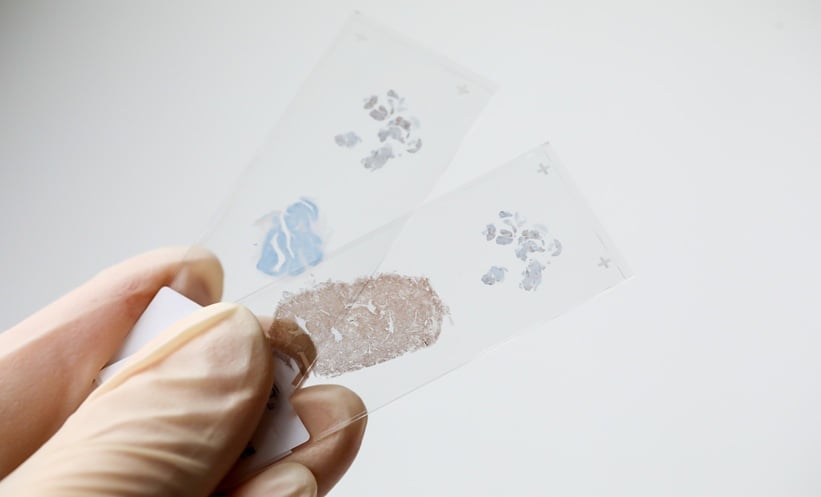
The study included 58 patients with mCSPC who received ARPI–ADT therapy between 2018 and 2024. Immunohistochemical staining was performed on diagnostic prostate biopsy samples, and receiver operating characteristic curve analyses were used to establish optimal cut-off values for predicting progression to castration-resistant prostate cancer (CRPC).
Low PSA expression, high Ki-67 expression, and a bone metastasis extent of disease (EOD) score ≥3 were independently associated with significantly shorter CRPC-free survival (CRPC-FS). Importantly, PSA expression reflects tumour tissue staining rather than serum PSA levels; low tissue PSA is thought to indicate poorly differentiated, androgen-independent tumour biology, which may explain its association with poorer outcomes.
Risk Stratification in Metastatic Castration-Sensitive Prostate Cancer
When patients were stratified according to the presence of these risk factors, outcomes deteriorated progressively with increasing risk. Those with no risk factors demonstrated the longest CRPC-FS, while patients with one or two risk factors experienced a stepwise decline in survival outcomes. This combined biomarker-based approach may therefore offer a practical method for identifying patients at high risk of early disease progression.
Treatment Implications and Triplet Therapy Outcomes
Exploratory analyses also examined outcomes among patients treated with more intensive regimens, including triplet therapy (ADT plus docetaxel and darolutamide) or upfront docetaxel. In high-risk patients, triplet therapy was associated with the longest CRPC-FS and second progression-free survival. In contrast, no significant differences in outcomes between treatment modalities were observed among low-risk patients.
Clinical Relevance of Immunohistochemistry in Prostate Cancer
The authors conclude that immunohistochemical evaluation of PSA and Ki-67 provides accessible and clinically relevant prognostic information in mCSPC. When combined with bone disease burden, these markers may help identify patients with unfavourable prognoses who could benefit from intensified upfront treatment strategies.
Reference
Umemori M et al. Impact of immunohistochemical PSA and Ki-67 expression on prognosis in metastatic castration-sensitive prostate cancer. Int J Urol. 2026; 33(2):e70368.
- Author: