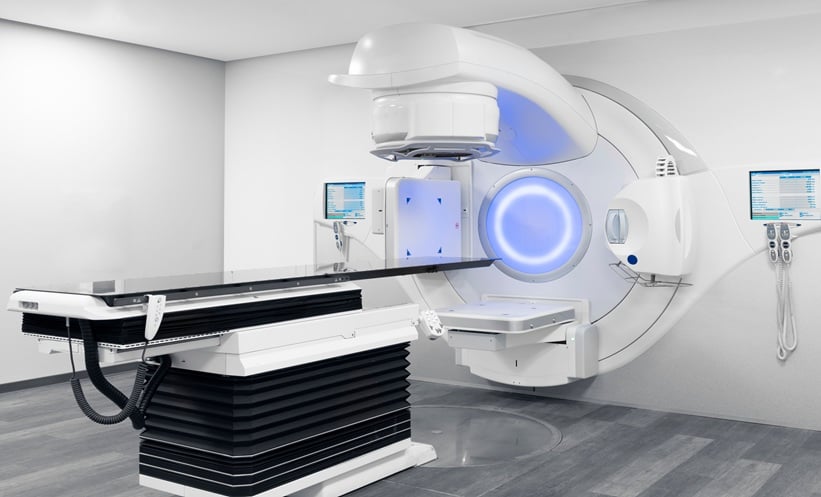
STEREOTACTIC BODY RADIOTHERAPY (SBRT) was associated with significantly lower biochemical failure (BCF) compared with high–dose-rate brachytherapy (HDR-BT) in men with intermediate-risk prostate cancer, according to a post hoc pooled analysis.
The study analysed individual patient data from five prospective trials conducted between 2010 and 2018. A total of 247 men met eligibility criteria, including 180 treated with SBRT and 67 who received HDR-BT monotherapy. No patients received androgen deprivation therapy.
After a median follow-up of 9.5 years, HDR-BT was associated with significantly higher BCF rates. At 5 years, BCF was 7.8% for HDR-BT compared with 3.0% for SBRT. By 10 years, the difference widened substantially: 38.0% for HDR-BT versus 10.4% for SBRT (p<0.001).
Higher Acute Genitourinary Toxicity with HDR-BT
The HDR-BT cohort also experienced significantly more acute grade 2 or higher genitourinary adverse events. Acute GU toxicity occurred in 74.6% of patients receiving HDR-BT compared with 51.7% of those treated with SBRT (p=0.007).
However, no significant differences were observed in other acute toxicities, late adverse events, or late patient-reported quality of life (PR-QoL) outcomes between the two treatment modalities.
Long-Term Prospective Comparison of Radiation Modalities for Prostate Cancer
Both SBRT and HDR-BT are established monotherapy options for intermediate-risk prostate cancer, yet prospective comparative evidence has been lacking. This pooled analysis provides one of the longest follow-ups to date directly comparing these approaches using prospectively collected data.
The findings suggest that SBRT may offer improved biochemical control with lower acute urinary toxicity, without compromising long-term quality of life.
The authors conclude that these long-term outcomes may help inform shared decision-making regarding radiation modality selection for men with intermediate-risk prostate cancer, particularly when balancing cancer control against treatment-related toxicity. Further randomised trials would help validate these findings and clarify optimal patient selection criteria. Additional multicentre studies are warranted to confirm durability.
Reference
Udovicich C et al. SBRT vs HDR brachytherapy for intermediate-risk prostate cancer. JAMA Netw Open. 2026;9;(2):e260146.
Featured image: ATRPhoto on Adobe Stock
- Author: