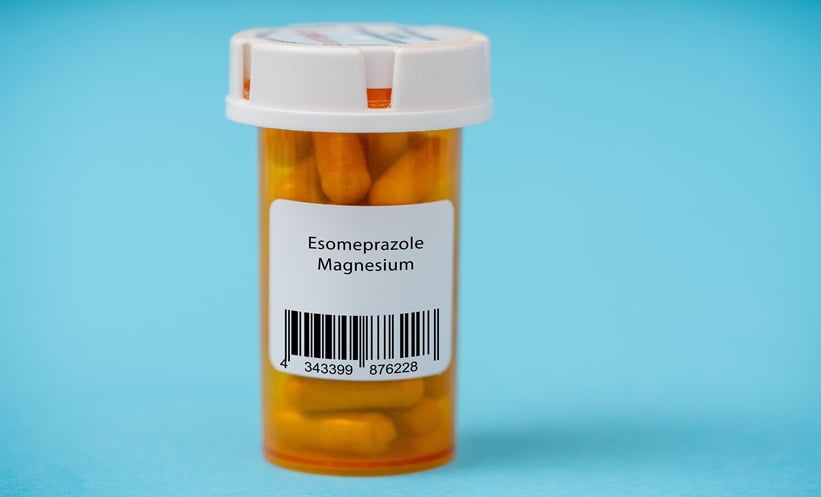
PROTON pump inhibitors (PPIs) may offer more than anti-inflammatory effects for patients with eosinophilic oesophagitis (EoE), new research suggests. A recent study reveals that PPIs can directly reduce oesophageal fibrosis and remodelling, highlighting their potential as disease-modifying therapies.
EoE is a chronic, progressive condition characterised by oesophageal inflammation and fibrostenotic changes, often leading to swallowing difficulties and long-term complications. While PPIs are traditionally prescribed for their anti-inflammatory properties, the latest study investigated whether these drugs also target fibrotic pathways linked to transforming growth factor β (TGF-β) signalling.
New Findings on PPIs and Eosinophilic Oesophagitis
Investigators analysed paired oesophageal biopsies from patients with EoE before and after PPI therapy. In individuals who responded to treatment (defined histologically as fewer than 15 eosinophils per high-power field), RNA sequencing revealed 746 genes with significant expression changes. Many of these genes were associated with pathways linked to tissue remodelling and fibrosis.
Laboratory experiments using human primary oesophageal fibroblasts explored how PPIs affect transforming growth factor β (TGF-β) signalling, a pathway known to drive fibrosis. When fibroblasts were exposed to TGF-β, they increased production of collagen and α-smooth muscle actin – markers of fibrotic activation. Treatment with PPIs attenuated these responses.
Functional assays showed that PPIs also reduced fibroblast migration and oxidative stress, both of which contribute to tissue remodelling. Transcriptomic analysis indicated that approximately 30% of TGF-β–induced gene expression changes were reversed by PPIs, and 78 genes exhibited concordant modulation between patient biopsies and cultured fibroblasts.
Clinical Implications and Future Directions
These findings have practical implications for clinicians managing EoE. Beyond improving symptoms and endoscopic fibrostenotic features, PPIs may slow disease progression and help prevent long-term fibrotic complications. Patients with PPI-responsive EoE could benefit from treatment strategies that leverage these antifibrotic effects, potentially reducing the need for repeated endoscopic interventions.
The study highlights the need for further research to determine optimal dosing and long-term benefits of PPIs in modulating remodelling in EoE. Future clinical trials may explore whether early PPI therapy can prevent fibrosis and improve patient outcomes over time.
Reference
Sharlin CS et al. Effects of proton pump inhibitors on remodeling and fibrosis in eosinophilic esophagitis. J Allergy Clin Immunol. 2026; DOI:10.1016/j.jaci.2026.02.025.
Featured image: luchschenF on Adobe Stock
- Author: