The FIBROSIS-4 (FIB-4) index may not reliably identify liver fibrosis in people with metabolic dysfunction-associated steatotic liver disease (MASLD), according to a primary care study in Belgium and the Netherlands.
MASLD, previously known as non-alcoholic fatty liver disease, occurs when fat accumulates in more than 5% of hepatocytes alongside cardiometabolic risk factors such as dyslipidaemia, hypertension or type 2 diabetes. Affecting an estimated 32.4% of the global population and can progress from steatosis to inflammation, fibrosis, cirrhosis, and hepatocellular carcinoma. Detecting fibrosis early – particularly from stage F2 onwards is critical as it is associated with worse liver-related and overall health outcomes. Current guidelines recommend the FIB-4 index as a first-line tool to help rule out significant liver fibrosis before imaging-based assessment.
Accessible Screening Tool Widely Used in Practice
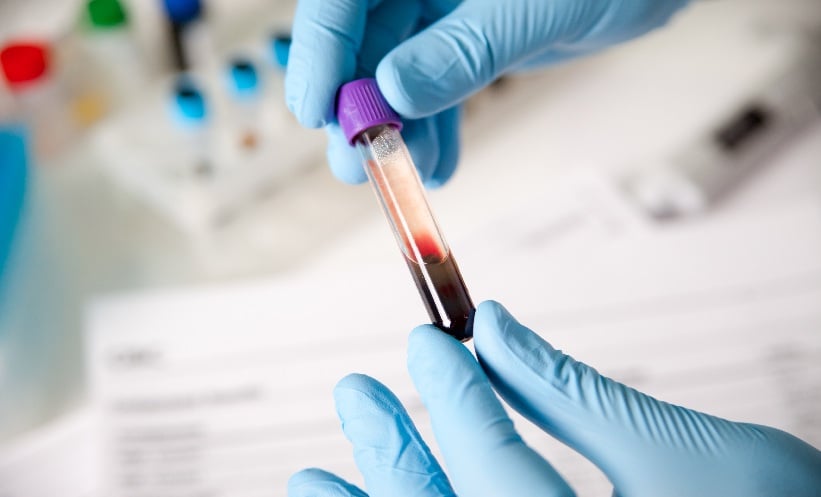
The FIB-4 index combines age, the liver enzymes aspartate transaminase (AST) and alanine transaminase (ALT), and platelet count. These measurements are commonly obtained through routine blood tests, making FIB-4 an accessible and low-cost option for initial screening. However, its performance may vary across patient populations, including individuals with obesity, type 2 diabetes, or cardiovascular disease – groups that are also at increased risk of MASLD.
FIB-4 Index: Accessible but Variable
Researchers evaluated the performance of the FIB-4 index in 1,285 participants across nine Belgian and five Dutch primary care practices between October 2020 and February 2024. Participants underwent vibration-controlled transient elastography (VCTE) to estimate liver stiffness as a surrogate marker of fibrosis. Blood tests were used to calculate each participant’s FIB-4 index using standard age-based cut-off values. The analysis found only slight agreement between fibrosis classifications generated by the FIB-4 index and fibrosis stages estimated using VCTE, regardless of demographic characteristics or clinical risk factors.
High False-Positive and False-Negative Rates
Using current thresholds, the FIB-4 index generated substantial rates of both false positive and negative results. Among participants aged 65 years or younger, at least 81.6% of referrals triggered by a FIB-4 index of 1.3 or higher were not confirmed by VCTE-based fibrosis estimates. In those older than 65, the over-referral rate reached 73.7%.
At the same time, the index failed to identify some cases of fibrosis. False negatives rates reached 8.8% in younger participants and 18.5% in those older than 65.
Performance appeared particularly limited in populations already considered at higher risk of liver disease, including individuals with type 2 diabetes and those living with obesity.
Limited Accuracy of FIB-4 Index in Individual Risk Assessments?
Alternative age-based cut-offs were explored and validated in two external cohorts, including a primary care cohort from Türkiye, but improvements in sensitivity and predictive value were marginal. While the FIB-4 index remains useful for population-level screening, its reliability for individual risk assessment is limited.
Study limitations include the absence of liver biopsy, potential selection bias, and relatively small external validation cohorts. Nonetheless, the findings are clinically relevant: MASLD is often asymptomatic until advanced fibrosis develops, and early detection is key to preventing liver-related and cardiovascular complications. Non-invasive tools like FIB-4 and VCTE enable risk stratification in primary care without the cost, invasiveness, or risk of biopsy. However, an unreliable tool can lead to over-referrals, missed diagnoses, and inappropriate management, underscoring the urgent need for accurate, validated screening strategies for MASLD.
Reference
Heyens LJM et al. Is FIB-4 the right tool for screening for liver fibrosis? Ann Hepatol. 2026;DOI:10.1016/j.aohep.2025.102176
Featured image: Анна Ковальчук on Adobe Stock
- Author: