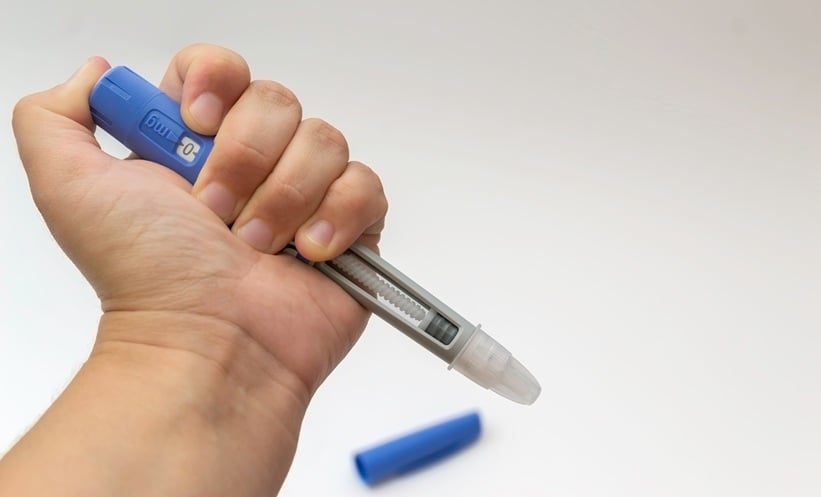
DISCONTINUATION of glucagon-like peptide-1 (GLP-1) receptor agonist treatment could reverse cardiovascular benefits, increasing the risk of heart disease in adults with Type 2 diabetes, a 2026 target trial emulation has found.
Veterans Affairs Healthcare Databases
Researchers analysed electronic healthcare databases of the US Department of Veterans Affairs from 1st January 2017 to 31st December 2023.
There were more than 333,600 participants: all Veterans Affairs users with Type 2 diabetes using GLP-1s or sulfonylureas, followed up over a period of 3 years.
The study cohort included more than 132,500 and 201,100 incident users of GLP-1s and sulfonylureas, respectively.
GLP-1 Use and Risk of Major Cardiovascular Event
GLP-1s are known to be associated with a reduced risk of cardiovascular disease.
Discontinuation of the common weight loss drugs is often associated with a rebound in inflammation and weight gain, both major drivers of cardiovascular disease risk.
Researchers found a duration dependent link between the use of GLP-1s and the cumulative 3-year risk of major adverse cardiovascular events: myocardial infarction, stroke, or all-cause death.
Participants who used GLP-1s for 6 months, 1 year, or 1.5 years, before discontinuing for the remainder of the 3 years, showed no significant reduction in the risk of major cardiovascular events compared with the sulfonylurea reference group.
People who continued GLP-1 use for 2 years and 2.5 years, before then discontinuing, had a 7% reduced risk of major adverse cardiovascular events than people in the sulfonylurea group.
Adults with Type 2 diabetes who continued GLP-1 use for the entire 3-year period had a near 20% lower risk of major adverse cardiovascular events.
Discontinuation and Duration Dependent Cardiovascular Risk
Compared with continual use of GLP-1s, discontinuing treatment for 6 months was associated with a 4% increased risk of major adverse cardiovascular events.
This risk increased progressively with a longer duration of discontinuation: 14% for 1 year and 22% for 2 years.
Longer interruptions to the continuation of treatment were also progressively linked to a higher risk of major adverse cardiovascular events.
For example, 1 year of interrupted use fostered a 12% higher risk and 2 years of interrupted use yielded a 16% increased risk.
Accumulated Cardiovascular Benefit
The cardiovascular benefit of GLP-1s accumulates with continuous use, researchers reported.
They warned, however, that even brief periods of discontinuation or interrupted use may progressively erode cardiovascular protection, which could then ultimately be reversed, increasing the risk of major adverse cardiovascular events.
It was recommended that strategies to reduce treatment discontinuity should be examined so that the cardioprotective effects of GLP-1s can be fully realised.
Reference
Xie Y et al. Glucagon-like peptide 1 receptor agonist discontinuation and risks of major adverse cardiovascular events in adults with type 2 diabetes: target trial emulation. BMJ med. 2026;5(1):DOI:10.1136/ bmjmed-2025-002150.
Featured image: Yulia Antonova on Adobe Stock
- Author: