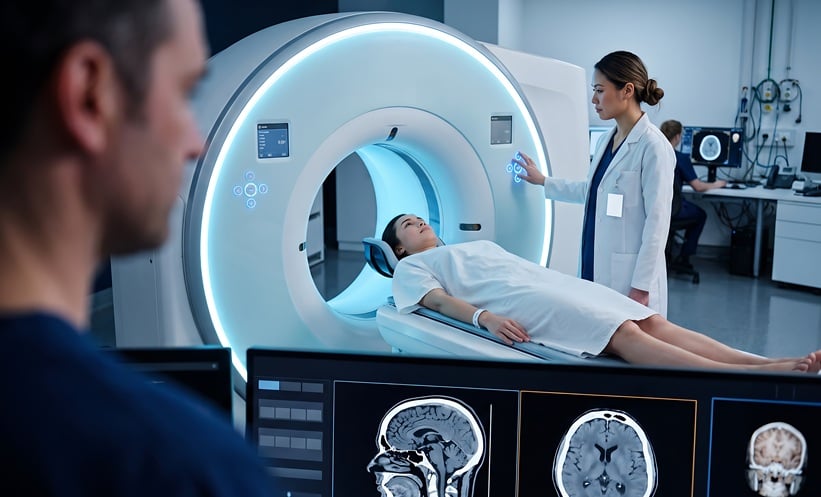
Migraine Risks Rise During Menopause Transition
MIGRAINE often becomes more frequent, severe, and harder to manage during the menopause transition in midlife women.
Migraine During the Menopause Transition
Migraine remains a common neurologic disorder in women, and the menopause transition can mark a particularly unstable period for symptom control. Many women experience more frequent and intense attacks during perimenopause, even if their migraine pattern had previously been stable. Hormone fluctuations appear to play a central role, with estrogen withdrawal thought to contribute to changes in brain excitability and the neuroinflammatory cascade linked to migraine.
During this stage, migraine can also change in phenotype. Some women may develop migraine aura for the first time, including visual or sensory symptoms that may occur with or without headache. These shifts are clinically important because new or changing headache symptoms after age 50 warrant careful evaluation to exclude secondary causes, including stroke, tumor, or giant cell arteritis. Migraine remains a clinical diagnosis, based on established criteria rather than a single biomarker or imaging finding.
Stroke Risk and Hormone Considerations
Migraine with aura is associated with an approximately two-fold increased risk of ischemic stroke. This is especially relevant in midlife women, when cardiovascular risk factors may also be accumulating. Early screening and modification of vascular risk factors therefore remain important parts of care.
Hormone therapy presents a more nuanced picture. Although stabilizing estrogen levels may help some patients during perimenopause, there is limited robust trial evidence supporting hormone therapy solely for migraine control. For menopausal symptom relief, transdermal estradiol is preferred in observational studies because it provides more stable hormone levels and may carry lower cardiovascular risk than oral formulations. However, any new or changing aura after starting hormone therapy should prompt immediate reassessment.
Management Options for Midlife Migraine
Management includes both acute and preventive strategies. Preventive therapy is generally considered when migraines occur at least four times per month. Options include traditional preventives, targeted CGRP-directed therapies, integrative approaches such as acupuncture, and onabotulinumtoxinA for chronic migraine. Acute treatment options include triptans, gepants, and nonsteroidal anti-inflammatory drugs. Clinicians should also remain alert to medication-overuse headache and to the persistence of migraine after menopause, which affects around half of women who had migraine in midlife.
Reference
Bernstein C. Migraine and the menopause transition. Menopause. 2026;33(4):491-493.
Featured image: myboys.me on Adobe Stock
- Author: