SLEEP apnea hypoxic burden was linked to slower emotion recognition in adults undergoing polysomnography.
Sleep-related oxygen desaturation and sleep architecture may influence how accurately and quickly adults recognize facial emotions, according to findings from an Icelandic population-based study. The results add to evidence that obstructive sleep apnea and disrupted sleep physiology may affect neurocognitive vulnerability beyond traditional respiratory outcomes.
Polysomnography Captures Sleep and Breathing Metrics
The study included 55 adults who completed the Penn Emotion Recognition Task, a test assessing responses to facial expressions shown at different emotional intensities. Participants then underwent three consecutive nights of self-applied polysomnography, with sleep parameters averaged across nights.
The cohort was 47.3% male, with a mean age of 46.4 years, mean BMI of 27.9 kg/m², and mean apnea-hypopnea index of 15.1 events per hour. Overall, 65% had an apnea-hypopnea index of at least 5, consistent with obstructive sleep apnea.
Emotion Recognition Slowed With Hypoxic Burden
Mean reaction times were 2,746 milliseconds for high-intensity emotion, 2,786 milliseconds for low-intensity emotion, and 3,308 milliseconds for neutral stimuli. Recognition accuracy was 88.8% for high-intensity emotion, 73.3% for low-intensity emotion, and 85.0% for neutral stimuli.
Regression analyses adjusted for age, gender, and depressive symptoms found that hypoxic burden metrics and sleep architecture independently predicted performance. Desaturation severity was associated with slower responses to low-intensity emotion, with a coefficient of 363 milliseconds. Lower sleep efficiency also predicted slower responses to both low- and high-intensity emotion, while lower REM percentage was associated with slower recognition of low-intensity emotion.
Sleep Architecture May Shape Cognitive Vulnerability
The findings suggest that sleep apnea hypoxic burden and sleep architecture may be clinically relevant markers of social cognitive performance. Importantly, using multiple-night polysomnography strengthened the linear models compared with single-night data, supporting the value of repeated sleep assessment when evaluating subtle neurocognitive outcomes.
Overall, OSA-related hypoxic burden and sleep structure were significantly associated with emotion recognition, reinforcing the importance of sleep physiology in understanding cognitive vulnerability.
Reference
Ferretti D et al. Impaired emotion recognition is associated with sleep-related hypoxic burden. Sleep. 2026;DOI:10.1093/sleep/zsag078.
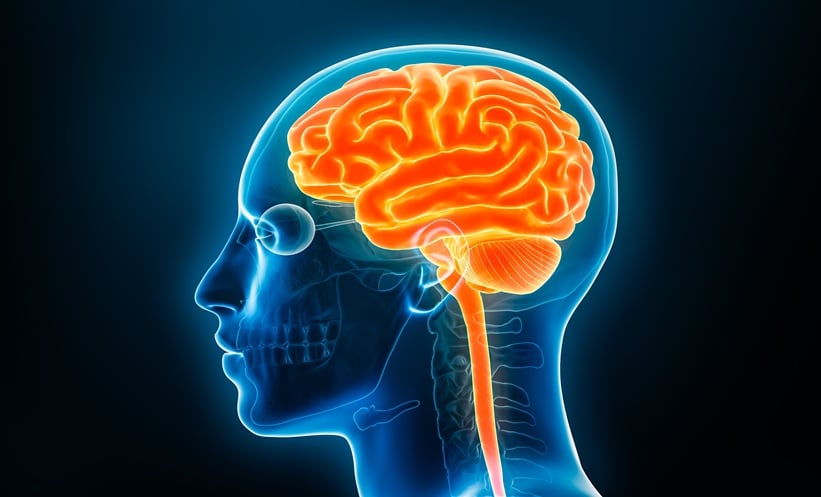
Featured Image: Gorodenkoff on Adobe Stock.
- Author: