THE WORLD Health Organization (WHO) has introduced new recommendations to improve tuberculosis testing, highlighting innovative approaches designed to expand access, reduce costs, and strengthen early diagnosis worldwide.
Tuberculosis remains one of the leading infectious causes of death globally, with timely diagnosis critical to controlling transmission and improving outcomes. However, access to reliable and efficient testing remains limited in many settings, particularly in low-resource environments.
Tuberculosis Testing Expanded with New Tools
In its updated guidance, the WHO recommends a new class of near point-of-care molecular tests for the initial detection of tuberculosis. These tests can be used in decentralised settings such as primary healthcare centres and community facilities, making them more accessible than traditional laboratory-based diagnostics.
These molecular tests are designed to detect tuberculosis more rapidly and at lower cost, helping to address key barriers to widespread screening and diagnosis.
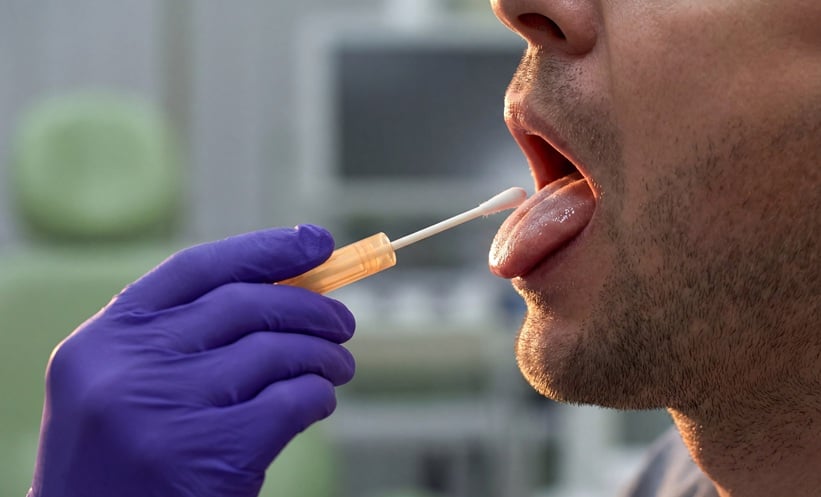
Tuberculosis Testing Using Tongue Swabs
The updated recommendations also introduce tongue swabs as an alternative sample type for tuberculosis testing. Unlike sputum samples, which can be difficult for some patients to produce, tongue swabs are easy to collect and more acceptable, particularly for individuals who cannot expectorate.
This approach is expected to expand testing access among adults and adolescents, especially in community-based settings where traditional sample collection may be challenging.
Sputum Pooling Improves Efficiency
Another key recommendation is the use of sputum pooling, a strategy in which multiple samples are combined and tested together. This method can reduce costs and improve laboratory efficiency, particularly in settings with limited resources.
Pooling also has the potential to increase testing throughput and reduce turnaround times, enabling faster diagnosis and treatment initiation.
Supporting Implementation Worldwide
The WHO plans to release a full update to its tuberculosis diagnosis guidelines later this year, alongside an operational handbook and implementation toolkit. These resources will provide practical guidance for countries adopting the new testing approaches, including planning, training, and monitoring tools.
Additional support will include webinars and an updated knowledge-sharing platform to help national programmes integrate these innovations into existing healthcare systems.
Overall, the new recommendations mark a significant step forward in tuberculosis testing, offering scalable and accessible solutions aimed at improving detection and reducing the global burden of disease.
Reference
World Health Organization (WHO). Near point-of-care tests, tongue swabs, and sputum pooling for TB. 2026. Available at: https://www.who.int/teams/global-programme-on-tuberculosis-and-lung-health/diagnosis-treatment/npoc-tongue-swabs-and-sputum-pooling-for-tb. Last accessed: 26 March 2026.
Featured image: DebbyMelindaYanti on Adobe Stock
- Author: