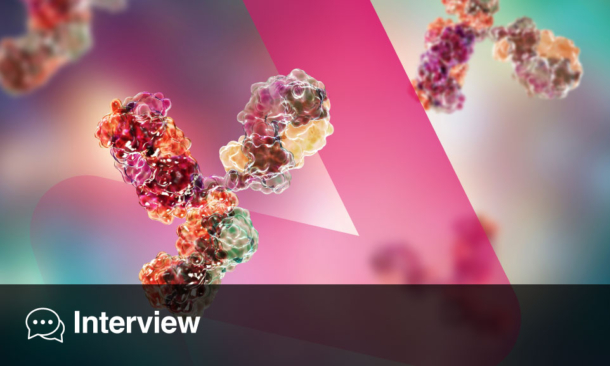
MACHINE LEARNING analysis of human leukocyte antigen structure identifies novel predictors of graft failure after haploidentical stem cell transplantation, offering a potential advance in donor selection and risk stratification. The findings were presented as a research poster at the 52nd Annual Meeting of the EBMT.
Machine Learning Identifies Graft Failure Risk
Graft failure remains a life-threatening complication following haploidentical stem cell transplantation, and conventional matching methods do not fully capture immunological incompatibility. In this study, researchers applied protein language models to analyse structural features of human leukocyte antigen molecules in 127 patients who experienced graft failure and underwent a second transplant.
From an initial set of 8,718 features, five structural characteristics were significantly associated with graft failure (p<0.05). These features reflected complex interactions between class I and class II loci rather than single gene effects, highlighting the importance of overall structural compatibility. One feature was intrinsic to the donor, while four represented donor recipient interactions.
Structural Biomarkers and Donor Selection
Compared with successful second transplants, failed first donors showed reduced structural diversity across specific loci spanning HLA-A to HLA-C (A_C_exon23, p=0.012; hazard ratio: 0.4987). In contrast, donor recipient pairs linked to graft failure demonstrated increased structural breadth across several multi locus regions, including A_B_C_DR_DQ_exon3 (p<0.001), A_DR_exon3 (p<0.001), C_DR_exon2 (p=0.003), and A_B_exon1–5 (p=0.033).
When compared with a control cohort of 1,699 patients without graft failure, five key structural biomarkers were confirmed. These included three recipient intrinsic features A_B_C_DR_DQ_exon3, C_DR_exon1–5, and A_B_C_exon5, alongside two donor recipient interaction features A_B_C_exon1 and A_C_exon1, reinforcing the multifactorial nature of transplant compatibility.
A composite risk score derived from these five features demonstrated moderate predictive performance, with an area under the curve of 0.656, suggesting potential clinical utility in identifying high risk donor recipient combinations.
Implications For Transplant Practice
These findings represent a novel approach to understanding graft failure by integrating structural immunology with machine learning. The results suggest that subtle physicochemical and spatial properties of human leukocyte antigen molecules may influence transplant outcomes beyond traditional allele level matching.
This approach could enable clinicians to identify high risk donors or donor recipient pairs prior to transplantation, potentially improving outcomes in haploidentical settings. Further validation in larger cohorts will be required, but the study provides an important step towards more precise and biologically informed donor selection strategies.
Reference
Ma R et al. HLA structural profiles identified by protein language models predict graft failure in haploidentical transplantation. Abstract B275. EBMT 52nd Annual Meeting; 22-25 March 2026.
- Author: