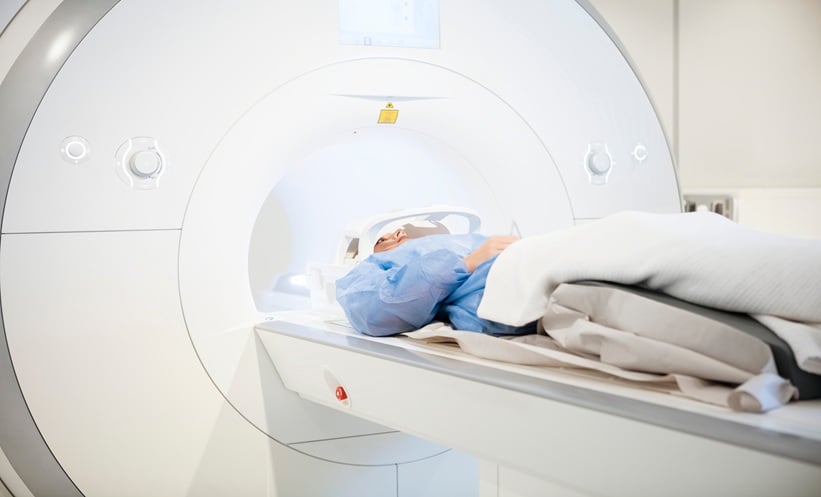
NOVEL research shows that pretreatment magnetic resonance imaging (MRI) can independently predict long-term outcomes in men undergoing radical prostatectomy for prostate cancer. The systematic review and meta-analysis analysed data from 40 studies including 24,941 patients, highlighting MRI’s growing role beyond diagnosis and staging.
Key MRI Findings Linked to Poor Outcomes
The study found that MRI-detected extraprostatic extension (mrT3a disease) was strongly associated with worse oncological outcomes. Patients with this feature had more than double the risk of biochemical recurrence and over three times the risk of metastatic failure. Notably, the risk of prostate cancer–specific mortality was nearly 11 times higher.
Similarly, seminal vesicle invasion (mrT3b disease) identified on MRI was linked to significantly increased risks of biochemical recurrence and metastatic progression, reinforcing its value as a high-risk imaging marker.
Beyond staging features, several quantitative MRI-derived parameters were independently associated with biochemical recurrence. These included higher Prostate Imaging Reporting and Data System (PI-RADS) scores (4–5), larger tumour size (≥20 mm), and lower apparent diffusion coefficient (ADC) values. Each of these markers approximately doubled the risk of recurrence, even after adjusting for established clinical and pathological factors such as tumour grade.
Implications for Risk Stratification and Treatment Planning
Accurate risk assessment before treatment is essential to balance the benefits and harms of prostate cancer management. This study suggests that MRI can provide valuable prognostic information that complements traditional clinicopathologic factors. Incorporating MRI findings into preoperative decision-making may improve patient counselling, guide surgical planning, and inform the need for adjuvant therapies.
The analysis demonstrated moderate heterogeneity and no significant publication bias, supporting the robustness of the findings. By focusing on multivariable time-to-event analyses, the study strengthens the case for MRI as an independent prognostic tool.
Pretreatment prostate MRI is not just a diagnostic tool but a powerful predictor of long-term outcomes. Its integration into clinical pathways could enhance personalised care for men undergoing radical prostatectomy, helping clinicians better identify patients at higher risk of recurrence and disease progression.
Reference
Agrotis G et al. Pretreatment MRI as a prognostic factor after radical prostatectomy: a systematic review and meta-analysis. JAMA Oncol. 2026;DOI:10.1001/jamaoncol.2026.0371
Featured image: Tyler Olson on Adobe Stock
- Author: