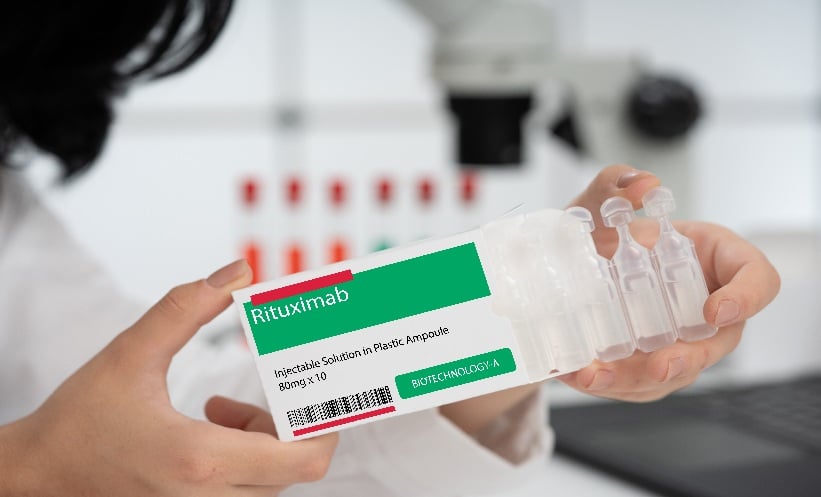
HEPATITIS B virus (HBV) reactivation risk is markedly higher in patients with chronic hepatitis B treated with rituximab-based chemotherapy once antiviral prophylaxis is stopped, according to new cohort data, with most events emerging within a year of treatment ending.
Chronic hepatitis B is a long-term viral infection that can lead to liver inflammation, cirrhosis and hepatocellular carcinoma. In patients undergoing immunosuppressive therapy for haematological malignancies like lymphoma, viral activity can rebound when immune control is weakened.
This phenomenon, known as HBV reactivation, can trigger severe hepatitis flares and, in some cases, liver failure.
Rituximab Linked to Sharper HBV Reactivation Risk
Rituximab, a CD20-targeting monoclonal antibody widely used in non-Hodgkin lymphoma, is known for its potent immunosuppressive effects. In this real-world retrospective analysis, outcomes after antiviral withdrawal were compared across distinct patient groups.
Among lymphoma–CHB patients, 132 received rituximab-containing regimens and 26 received non-rituximab chemotherapy, while 939 HBeAg-negative CHB patients without lymphoma were included as a control group. The two-year incidence of severe hepatitis flares was substantially higher in the rituximab group, reaching 22%, compared with 8% in non-rituximab lymphoma patients. When compared with CHB controls, rates rose further to 32% versus 7%.
Early Relapse Dominates After Antiviral Cessation
A key finding was the timing of relapse. Nearly 88% of events occurred within the first year after stopping Prophylactic nucleos(t)ide analogue (Nuc) antiviral therapy, highlighting a narrow window of heightened vulnerability. Rituximab-treated patients also demonstrated steeper viral rebound, with more than half showing rapid increases in HBV DNA levels.
Several factors were linked to relapse risk, including higher baseline viral load and elevated hepatitis B surface antigen levels at the end of treatment. Use of antivirals with a lower genetic barrier and specific viral rebound patterns further identified individuals more likely to develop severe flares.
Clinical Implications for Monitoring Strategies
Prophylactic antiviral therapy is well established in reducing HBV-related complications during chemotherapy, yet relapse after discontinuation remains a recognised challenge, affecting up to one-third of patients in some cohorts.
These findings suggest that patients exposed to rituximab may require closer post-treatment surveillance than previously assumed. Enhanced monitoring during the first year after antiviral withdrawal could help detect early viral rebound and mitigate progression to severe hepatitis.
While the retrospective design limits causal inference, the data reinforce the need to individualise follow-up strategies in lymphoma patients with CHB, particularly those receiving B-cell–depleting therapies.
Reference
Liu YC et al. Severe hepatitis flares after antiviral withdrawal in chronic hepatitis B with lymphoma: Impact of rituximab. JHEP Reports. 2026;DOI:10.1016/j.jhepr.2026.101863.
Featured image: [ ] on Adobe stock
- Author: