THE 52ND ANNUAL Meeting of the European Society for Blood and Marrow Transplantation (EBMT) was held in the highest-altitude European capital, ranging from 543–846 metres above sea level. This city is also home to the world’s oldest operating restaurant, Sobrino de Botin, and a successful football team, Real Madrid. In the rich and vibrant city of Madrid, Spain, hundreds of physicians, nurses, scientists, pharmacists, and many other experts gathered to discuss how cellular therapy and transplantation have evolved over the past year.
The highly anticipated opening ceremony began with a note from the President, Anna Sureda, Duran I Reynals Hospital, Barcelona, Spain, who warmly welcomed all attendees, encouraging them to attend sessions outside their speciality and actively engage in discussions with one another. “I hope this meeting brings you new knowledge, new connections, and renewed energy for the work we all share.”
Congress President Rafael Duarte, Hospital Universitario Puerta de Hierro Majadahonda, Madrid, Spain, subsequently shared insights into the diverse programme for the coming days. Overall, there were 189 sessions, 159 of which are live-streamed worldwide, 550 invited faculty members, over 1,200 abstracts to be presented, and 33 sponsored sessions. These remarkable statistics reinforce the role EBMT plays as a leading society, shaping the future direction of cellular therapies and transplantation.
Chair of the EBMT Patient Advocacy Committee, Natasha Bolanos, took the stage, opening with a powerful sentiment, “patients are not only recipients of care, they are not only endpoints in clinical trials, they are not only cases in registries or numbers in reports or publications, they are people, like you.”
Sharing the unique experiences of patients, she stressed the importance of involving them in discussions on clinical trial design, defining endpoints, and shaping follow-up care. She also highlighted the value of first-hand patient perspectives on receiving different therapies, insights that numerical data alone cannot capture. She noted that some patients, drawing on their own experiences, go on to become advocates, hoping to transform something deeply personal into a contribution that benefits those who follow.
“When patients are meaningfully engaged, not as a symbol but as meaningful partners, care becomes more human, research more relevant, and systems more responsive.”
Hilda Mekelenkamp, EBMT Nurses Group President, then spoke on the theme of this year’s EBMT congress, ‘Let’s Advance the Art of Patient Care Together’, breaking down each word and the symbolism behind it. Firstly, ‘let’s advance’ signifies progressing forward with the intention of improving things, stepping beyond what we already know, even though, as highlighted by Mekelenkamp, many in the room are already established experts in the field. The humility to recognise that further progress is needed, along with the flexibility to question what we already know, is vital for advancing the field. Secondly, ‘the art’ can be understood as a skill, an intentional ability shaped by experience and influenced by a multitude of factors. Mekelenkamp suggested that healthcare itself could be interpreted as an art because it unites scientific knowledge with skilled judgement, emotional sensitivity, interpretation, and ethical imagination to create meaningful and healing moments of vulnerability.
Touching on the ‘patient care’ aspect of the Meeting’s theme, she reinforced that this must remain the highest priority, ensuring healthcare stays patient-focused and that patients have a place in the pivotal conversations shaping therapy and care. Finally, ‘together’ highlights the importance of interdisciplinary collaboration, both within hospitals and more broadly across research institutions.
The honorary members were then announced to individuals who have made invaluable contributions to haematopoietic cell transplantation and cellular therapy. For this year, it was Mary Horowitz, Medical College of Wisconsin, USA; Dan Engelhard, Hadassah Medical Organization, Israel; and Jakob Passweg, University of Basel, Switzerland.
Finally, to close the opening ceremony, Lola Manterola, President of CRIS Contra el Cáncer, delivered a prestigious keynote lecture focused on patient partnership in multidisciplinary care. She began by sharing her personal experience of being diagnosed with, and surviving, multiple myeloma, expressing gratitude for the research advances that made this possible. She then outlined three key ways the foundation supports researchers: CRIS grants, co-financed grants, and collaboration grants, all evaluated by an international scientific committee of leading experts to ensure fair and rigorous selection.
She also highlighted the launch of new CRIS units across Madrid. These included the CRIS Unit for Hematologic Tumors at Hospital Universitario 12 de Octubre, Madrid, Spain, led by Joaquín Martínez, which has already implemented more than 20 new treatments, supported over 400 clinical trials, produced more than 200 scientific publications, and treated over 1,700 patients. Another example is the CRIS Unit for Advanced Therapies in Childhood Cancer, led by Antonio Pérez, which has delivered more than 20 new treatments, supported over 60 clinical trials, generated 200 scientific publications, and treated more than 1,200 patients.
Manterola also presented a real-world clinical trial currently underway, led by Christophe Willekens, Institut Gustave Roussy, Paris, France; and Pau Montesinos, Hospital Universitario La Fe, Valencia, Spain. This Phase III study is evaluating whether lower drug dosing can maintain efficacy while reducing toxicity in older patients with acute myeloid leukaemia who are ineligible for intensive chemotherapy, an example of impactful international collaboration.
She concluded by introducing ‘Hand in Hand Patients’, a series of specialised roundtables designed to bring together researchers and patients to foster dialogue, share perspectives, and improve how scientific priorities and resource needs are communicated.
In summary, the EBMT Annual Meeting and its opening ceremony underscored a shared commitment to advancing patient-centred care through scientific innovation, collaboration, and inclusivity. Across the sessions, a unifying message emerged: meaningful progress in the field depends not only on cutting-edge research, but also on integrating patient perspectives and fostering strong interdisciplinary and international partnerships.
Deep Learning Unlocks CAR-T Immune Dynamics from Routine
Blood Smears
PRECLINICAL and translational data presented at EBMT 2026 demonstrate that AI applied to routine peripheral blood smears (PBS) may enable scalable, real-time monitoring of CAR-T cell activity. The approach addresses a key limitation in current practice: the lack of accessible tools for longitudinal immune profiling following CAR-T infusion.1
Although assays such as digital droplet PCR can quantify CAR-T expansion, they are resource-intensive and not widely suited for frequent monitoring. To overcome this, the investigators developed a deep learning-based framework, MorphoCAR, to extract quantitative immune signals from standard PBS, a routinely collected and low-cost clinical resource.
The study analysed digitised blood smears collected between Days 0–30 after CAR-T infusion in patients with non-Hodgkin lymphoma, B cell acute lymphoblastic leukaemia, and multiple myeloma. Expert haematopathologists first defined six reproducible lymphocyte morphologies (“morphotypes”) based on cellular features such as size, nuclear contour, and cytoplasmic characteristics. A convolutional neural network was then trained to classify single-cell images into these morphotypes.
MorphoCAR achieved strong performance, with a macro-accuracy of 83% and an area under the receiver operating characteristic curve of 0.98. The model was subsequently applied to more than 540,000 single-cell images derived from over 11,000 smears across 622 patients, revealing distinct and dynamic immune trajectories following CAR-T therapy.
Longitudinal analyses showed that atypical lymphocyte subsets expanded in characteristic patterns after infusion. Large and small, atypical lymphocytes peaked between Days 6–14 before declining, while small round lymphocytes stabilised after early expansion. These dynamics varied by CAR-T product, with greater expansion of large atypical lymphocytes observed in patients treated with lisocabtagene maraleucel and ciltacabtagene autoleucel compared with tisagenlecleucel.
Importantly, in patients with large B cell lymphoma, higher early expansion of large, atypical lymphocytes was independently associated with improved progression-free survival. This association was not observed for total lymphocyte counts or other morphotypes, highlighting the added value of morphology-based immune profiling over conventional metrics.
Correlative analyses further supported the biological relevance of these findings. The abundance of atypical lymphocyte morphotypes correlated positively with CAR-T transgene levels measured by digital droplet PCR. In addition, CAR-T cells expressing the activation marker CD69 displayed morphological features closely resembling the large, atypical lymphocyte phenotype identified by the model.
These findings establish routine peripheral blood smears as a previously underutilised source of high-dimensional immune data. By integrating AI with standard clinical workflows, MorphoCAR provides a scalable and non-invasive method to monitor CAR-T dynamics, offering potential to improve early risk stratification and guide post-infusion management.
Dual-Target CAR-T Cells Show Promise in CD19-Low B Cell Acute Lymphoblastic Leukaemia
PRECLINICAL data presented at EBMT 2026 suggest that dual-target CAR-T cell strategies may overcome a key limitation of current therapies for B cell acute lymphoblastic leukaemia (B-ALL) relapse driven by reduced CD19 expression.2
CD19-directed CAR-T cell therapy has transformed outcomes in relapsed or refractory B-ALL, but diminished or absent CD19 expression remains a major mechanism of treatment failure. To address this challenge, the investigators developed and evaluated a series of dual-target CAR-T cells directed against both CD19 and CD84.
Using CRISPR/Cas9-engineered CD19-low leukaemia models, the study assessed multiple constructs, including IF-BETTER designs that combine CD19 recognition with CD84-mediated co-stimulation. Among these, the DUAL 4 construct demonstrated the most consistent performance.
In vitro, DUAL 4 and related constructs showed strong cytotoxicity against CD19-positive leukaemia cells, with activation strictly dependent on CD19 engagement despite the presence of CD84 on target cells. Notably, no off-target cytotoxicity was observed in CD19-negative, CD84-positive acute myeloid leukaemia cells, supporting the specificity of the approach. In long-term rechallenge assays, IF-BETTER CAR-T cells exhibited greater functional persistence than conventional single-target CAR-T cells, maintaining tumour control over multiple sequential exposures.
In vitro findings further supported these results. In xenograft models of CD19-high disease, dual-target constructs achieved tumour control comparable to standard CD19 CAR-T cells. However, in CD19-low models, designed to mimic antigen-loss relapse, DUAL 4 demonstrated significantly improved tumour control and survival at both standard and reduced cell doses.
Importantly, safety assessments indicated that the dual-target design did not eliminate CD19-negative haematopoietic progenitor cells, despite CD84 expression, suggesting that CD19 engagement remains necessary for activation.
These findings identify CD84 as a promising co-target in CAR-T cell therapy and support IF-BETTER dual-target constructs as a strategy to enhance efficacy without compromising specificity. The approach may offer a path to improving the durability of response and reducing relapse rates in patients with B-ALL, particularly in cases characterised by low CD19 antigen expression.
Cell Therapy Delivers Durable Benefits in TDT and SCD
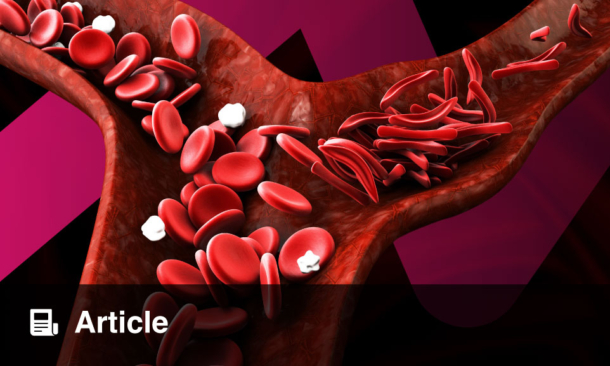
A LONG-TERM follow-up analysis, presented at EBMT 2026, showed that exagamglogene autotemcel (exa-cel) delivered sustained clinical benefits for over 6 years in patients with transfusion-dependent β-thalassaemia (TDT) and sickle cell disease (SCD) with recurrent vaso-occlusive crises.3
Researchers evaluated long-term efficacy and safety outcomes of exa-cel, a CRISPR/Cas9 gene-edited autologous cell therapy, across the Phase III CLIMB trials and their long-term extension. The analysis included 56 patients with TDT and 46 patients with SCD, with a median follow-up approaching 4 years and extending beyond 6 years in some participants.
Among patients with TDT, 98.2% (55/56) achieved transfusion independence for at least 12 consecutive months while maintaining a weighted average haemoglobin level ≥9 g/dL. In parallel, 69.6% discontinued iron removal therapy for at least 6 months, with iron parameters remaining stable over time.
In patients with SCD, 100% (45/45 evaluable) achieved freedom from severe vaso-occlusive crises and related hospitalisations for at least 12 consecutive months, with clinically meaningful improvements in haemolysis markers that were sustained throughout follow-up.
Across both conditions, durable increases in total and fetal haemoglobin were observed, alongside stable gene editing in bone marrow and peripheral blood. Engraftment was consistent, with neutrophil and platelet recovery occurring within expected timeframes.
Survival outcomes were notable, with overall survival and event-free survival rates at 2 years reaching 100% in TDT and 97.8% in SCD. Importantly, no cases of graft-versus-host disease, graft failure, or malignancy were reported during follow-up. The safety profile remained consistent with myeloablative conditioning and autologous transplantation.
Limitations included the relatively small sample size and the absence of a comparator arm, although the consistency and durability of outcomes strengthen the findings.
These results suggested that exa-cel may offer a one-time functional cure for both TDT and SCD, with sustained clinical benefit and a reassuring long-term safety profile. Ongoing follow-up will be critical to confirm durability beyond the current observation period and to further define long-term risks and benefits.
Non-Relapse Mortality in CAR-T Cell Therapy: Outcomes from the
EBMT Registry
CAR-T cell therapy infusion has been associated with non-relapse mortality (NRM) in a new retrospective study, presented at EBMT 2026, with infections being the leading cause of NRM. CAR-T cell therapy is currently used for haematological malignancies. However, disease- and product-specific estimates of NRM are not widely known for large real-world cohorts. This retrospective EBMT registry study aimed to evaluate the risk and leading causes of NRM based on different disease indications and CAR-T products.4
Researchers analysed data from 6,928 adult patients who received their first licensed CAR T-cell infusion between 2019–2023. The cohort included patients with B-acute lymphoblastic leukaemia (B-ALL; n=258), mantle cell lymphoma (MCL; n=514), B cell lymphoma (BCL; n=5,573), and multiple myeloma (MM; n=583). Over the study period, 2,887 deaths were reported, the majority of which (80.4%) were due to disease progression or relapse.
NRM varied substantially by both disease type and CAR-T product. At 1-year post-infusion, the highest NRM was observed in patients with MCL treated with brexucabtagene autoleucel (brexu-cel; 13.3%), followed by patients with B-ALL receiving brexu-cel (11.4%). In contrast, the lowest 1-year NRM was seen in patients with BCL treated with lisocabtagene maraleucel (3.99%). Intermediate rates were reported across other products, including axicabtagene ciloleucel and tisagenlecleucel in BCL, with NRM generally increasing over time. Two-year NRM reached as high as 19.4% in MCL and 19.0% in B-ALL treated with brexu-cel, highlighting longer-term risks in certain subgroups.
Multivariable analyses identified several factors associated with increased NRM. In B-ALL, poorer performance status (ECOG ≥1) significantly increased risk. Among patients with MM, having active disease at the time of lymphodepletion was associated with worse outcomes compared with those in response. In BCL, higher NRM was linked to older age, male sex, impaired performance status, and active disease at treatment.
Infections were the leading cause of NRM, accounting for 35.4% of cases, followed by cell therapy-related toxicities (32.8%) and secondary malignancies (9.5%).
Overall, these findings demonstrate that NRM remains a clinically meaningful risk following CAR-T cell therapy and varies by indication and product. The prominence of infection-related deaths underscores the urgent need for improved prevention, monitoring, and management strategies tailored to specific CAR-T therapies.
Nanobody-Derived CAR-T Therapy in Relapsed/Refractory B Cell Acute Lymphoblastic Leukaemia
PREVIOUS studies have demonstrated that prior exposure to immune-based therapies can significantly reduce the efficacy of single-target CAR-T therapy in relapsed/refractory B cell acute lymphoblastic leukaemia (R/R B-ALL). This study, presented at EBMT 2026, evaluated whether a nanobody-derived CD19/CD22 tandem CAR-T construct represents an effective salvage strategy in this heavily pretreated population.5
This Phase I study enrolled 35 patients with R/R B-ALL who received standard fludarabine/cyclophosphamide (FC) lymphodepletion followed by CAR-T cell infusion. Alpaca-derived single-domain antibodies (variable domain of a heavy chain-only antibody) targeting CD19 and CD22 were screened and engineered into a dual-target tandem CAR construct (SL0217).
Overall analyses included 24 evaluable patients (12 in dose-escalation and 12 at RP2D with completed Month 1 assessment). Minimal residual disease (MRD) in bone marrow was monitored monthly for the first 6 months, then every 3 months thereafter. Extramedullary disease (EMD) was assessed by PET–CT at baseline, Month 1, and Month 3.
Among the 24 evaluable patients, the median age was 34.5 years, and 62.5% were male. All patients were heavily pretreated, including prior exposure to blinatumomab (41.6%), inotuzumab ozogamicin (41.6%), prior CD19-directed CAR-T therapy (37.5%), and CD22-directed CAR-T therapy (8.3%); 58.3% had previously undergone allogeneic haematopoietic stem cell transplantation. Dual CD19/CD22 antigen expression was observed in 87.5% of patients. Disease distribution included isolated bone marrow involvement (37.5%), EMD (29.1%), or combined involvement (33.3%), with a median pre-lymphodepletion marrow blast burden of 12.0% (interquartile range: 0.5–79.5%).
Cytokine release syndrome was predominantly Grade 1–2 in 58.4% of patients, while Grade ≥3 cytokine release syndrome occurred in 8.3%. Grade 3–4 early neutrophil immune effector cell-associated haematotoxicity was observed in 29.1%.
The overall response rate was 83.3%, including 82.4% in patients with bone marrow disease and 93.3% in those with EMD. Among patients achieving bone marrow response, 100% attained MRD negativity across all available assessment modalities. Median progression-free survival and overall survival were not reached; 6-month progression-free survival and overall survival were 58.8% (95% CI: 37.6–91.9%) and 89.0% (95% CI: 75–100%), respectively.
In summary, SL0217 dual CD19/CD22 nanobody CAR-T therapy showed high response rates and universal MRD negativity in responders with manageable toxicity in heavily pretreated R/R B-ALL, supporting its potential as an effective salvage option warranting further clinical evaluation.
MaaT013 in Ruxolitinib-Refractory GI-aGvHD: Results From the ARES Phase III Trial
PRESENTED at EBMT 2026, the late-phase study addresses one of the most challenging clinical scenarios in transplantation: acute graft-versus-host disease with gastrointestinal involvement in patients who have failed both corticosteroids and ruxolitinib. Outcomes in this population are historically poor, highlighting a clear unmet need for effective therapies. The ARES Phase III trial evaluates MaaT013, a pooled allogeneic microbiotherapy designed to restore gut microbial balance.6
The multicentre, open-label study enrolled 66 adult patients with Grade II–IV gastrointestinal acute graft-versus-host disease who were refractory or intolerant to ruxolitinib. Patients received three rectal administrations of MaaT013, with an optional additional dose in cases of relapse. The primary endpoint was the gastrointestinal overall response rate at Day 28, assessed by an independent review committee.
The trial met its primary endpoint, with a Day 28 gastrointestinal overall response rate of 62%, significantly exceeding the predefined 22% threshold. Responses were both frequent and deep, with 38% achieving complete response and 20% very good partial response. All-organ responses were comparable, with a Day 28 overall response rate of 64%. While response rates declined over time, they remained clinically meaningful, with gastrointestinal response rates of 47% at Day 56 and 44% at Month 3, largely driven by sustained complete responses.
Survival outcomes further strengthen the clinical relevance of these findings. Median overall survival was not reached, with 6- and 12-month survival rates of 59% and 54%, respectively, substantially higher than historical expectations. Importantly, early response strongly correlated with survival: patients achieving at least partial response at Day 28 had significantly improved outcomes compared to non-responders (76% versus 28% at 6 months; 68% versus 28% at 12 months). Non-responders had a median survival of just 54 days.
MaaT013 demonstrated an acceptable safety profile despite the fragility of the study population. Treatment-related adverse events occurred in 29% of patients, with serious events in 11%. Of 29 fatal adverse events reported, only one was considered treatment-related.
Overall, the ARES trial provides compelling evidence supporting microbiome modulation as a therapeutic strategy in refractory gastrointestinal acute graft-versus-host disease. Although the open-label design and absence of a comparator arm warrant cautious interpretation, the magnitude of response and survival benefit positions MaaT013 as a promising first-in-class microbiome-based therapy in this high-risk setting.
Etu-cel Gene Therapy Shows Durable Benefit in Wiskott–Aldrich Syndrome
CLINICAL data presented at EBMT 2026 demonstrate that lentiviral gene therapy with etuvetidigene autotemcel (etu-cel) provides sustained safety and efficacy in patients with Wiskott–Aldrich syndrome, a rare and life-threatening inherited condition characterised by immunodeficiency, thrombocytopenia, and increased bleeding risk.7
Allogeneic haematopoietic stem cell transplantation can be curative but is limited by donor availability and associated risks. To address this, investigators evaluated etu-cel, an autologous gene therapy product consisting of CD34+ haematopoietic stem and progenitor cells transduced ex vivo with a lentiviral vector encoding the WAS gene.
This integrated analysis included 27 patients treated across Phase I/II, Phase III, and expanded access programmes, with a median follow-up of 5.7 years (range 2.3–13.3 years). Patients received a single infusion of etu-cel following reduced-intensity conditioning.
The therapy demonstrated a strong safety profile. No drug product-related adverse events, replication-competent lentivirus, abnormal clonal proliferation, or immune responses to the transgene were observed. Importantly, no patients required secondary interventions after treatment. Overall survival was 96.3%, with one death attributed to progression of a pre-existing neurological condition rather than treatment.
Efficacy outcomes showed substantial and durable clinical benefit. The rate of severe infections decreased by 92.5% between 6–18 months post-treatment compared with the year prior, while moderate and severe bleeding events declined by 60% in the first year. Notably, most patients remained free from significant bleeding beyond 4 years.
Gene-corrected stem cell engraftment was robust and sustained, leading to restoration of WAS protein expression across multiple blood cell lineages. This translated into improved immune function and platelet recovery, with over 90% of patients achieving platelet counts above 50×10⁹ /L at last follow-up. All patients became independent of platelet transfusions, and Ig replacement therapy was discontinued universally.
Additional clinical improvements included resolution of eczema, reduced autoimmunity, decreased hospitalisation rates, and overall enhancement in quality of life. Outcomes were consistent across age groups, disease severity, genetic variants, and product formulations.
These findings support etu-cel as a one-time treatment capable of delivering long-term disease correction in Wiskott–Aldrich syndrome, with a favourable benefit–risk profile extending beyond a decade of follow-up.
Stem Cell Transplant Shows Potential Long-Term Benefit in SSc
STEM cell transplant offers sustained disease control in some patients with high-risk systemic sclerosis (SSc) after nearly a decade of follow-up, as shown by new long-term data presented at EBMT 2026.8
SSc is a rare autoimmune disease where the immune system triggers excessive collagen production, causing skin thickening and organ fibrosis. It carries the highest mortality rate among rheumatic diseases, yet treatment options remain extremely limited.
The study followed 80 adults who had undergone autologous haematopoietic stem cell transplantation (aHSCT). Previous 2-year follow-up results had already shown promise, with 81.8% progression-free survival and 90% overall survival observed. The extended follow-up provides further insight into this cohort’s survival and disease progression over nearly a decade.
After a median follow-up of 9.2 years, progression-free survival was 72% at 5 years and 58.5% at 10 years. Overall survival reached 86% at 5 years and remained above 70% at 10 years. These findings indicate that aHSCT can offer durable benefit in a subset of high-risk patients, although progression may still occur.
Non-relapse mortality increased from 7.6% at 5 years to 13.5% at 10 years, while the incidence of disease progression rose from 20.4% to 26.3%, showing that patients remain at risk of relapse beyond 5 years. Late complications included malignancies (6.25% of patients), major cardiac events (3.75%), late serious infections (15%), and the development of secondary autoimmune conditions (11.25%).
This long-term extension study provides one of the most extensive follow-ups reported for patients with high-risk SSc receiving aHSCT. The extended timeframe allows for a robust evaluation of both efficacy and safety, emphasising the need for ongoing monitoring even after initial disease control.