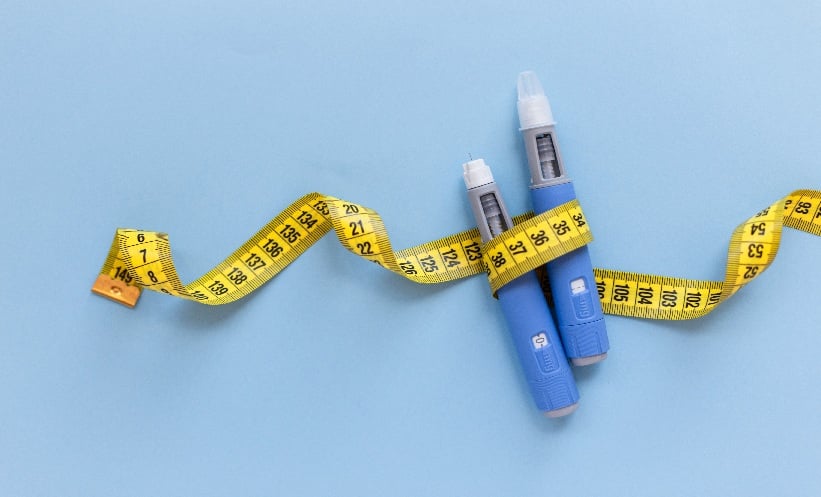
SEMAGLUTIDE combined with exercise preserved muscle function while delivering greater fat loss and cardiometabolic benefits than either intervention alone in a preclinical obesity study presented at the European Atherosclerosis Society (EAS) Congress.
Ozempic Use Concerns
Glucagon-like peptide-1 receptor agonists such as semaglutide, the active ingredient in widely used diabetes and weight-loss medications including Ozempic and Wegovy, have transformed obesity management by producing substantial weight loss and improving metabolic health.
However, concerns have emerged that some of this weight reduction may come at the expense of lean muscle mass, potentially affecting long-term physical function and health outcomes.
Semaglutide and Exercise Improve Body Composition
Researchers investigated whether adding exercise to semaglutide treatment could help preserve muscle while enhancing metabolic benefits.
The study used Ldlr−/−.Leiden mice with diet-induced obesity, insulin resistance, metabolic dysfunction-associated steatohepatitis (MASH), and atherosclerosis. Animals received semaglutide, exercise, combination therapy, or no treatment for 14 weeks.
By the end of the study, semaglutide alone reduced fat mass by 31% but was also associated with an 11% reduction in lean mass. In contrast, the combination of semaglutide and exercise reduced fat mass by 45%, while limiting lean mass loss to 8%.
Greater Benefits Beyond Weight Loss
Semaglutide alone and combination therapy both improved insulin sensitivity and plasma lipid levels. However, the addition of exercise appeared to amplify several benefits.
Combination treatment improved inflammation in adipose tissue and the liver, reduced liver steatosis, and decreased atherosclerotic lesion area.
These findings suggest that integrating pharmacological and lifestyle approaches may offer broader protection against obesity-related complications.
Muscle Function Preserved with Combination Therapy
Importantly, only the combined intervention significantly improved grip strength and gastrocnemius myofibre diameter. Neither semaglutide nor exercise alone produced significant improvements in these measures.
The findings indicate that exercise may help counteract some of the muscle-related concerns associated with semaglutide-induced weight loss while maintaining its metabolic advantages.
Organ Crosstalk Reveals New Mechanisms
Histological and transcriptomic analyses across adipose tissue, muscle, liver, and heart revealed organ-specific and synergistic effects of combination therapy. Researchers identified activation of pathways involved in mitochondrial function, glucose metabolism, and the resolution of inflammation.
While the study was conducted in mice and further research in humans is needed, the results suggest that combining semaglutide with structured exercise could represent a more effective strategy for treating obesity, helping patients achieve substantial fat loss while preserving muscle health and physical function.
Reference
Inia J et al. Semaglutide and exercise synergy in obesity: preserving muscle mass and uncovering organ crosstalk. 94th EAS Congress, 24-27 May, Athens.
Featured image: alones on Adobe Stock
- Author: