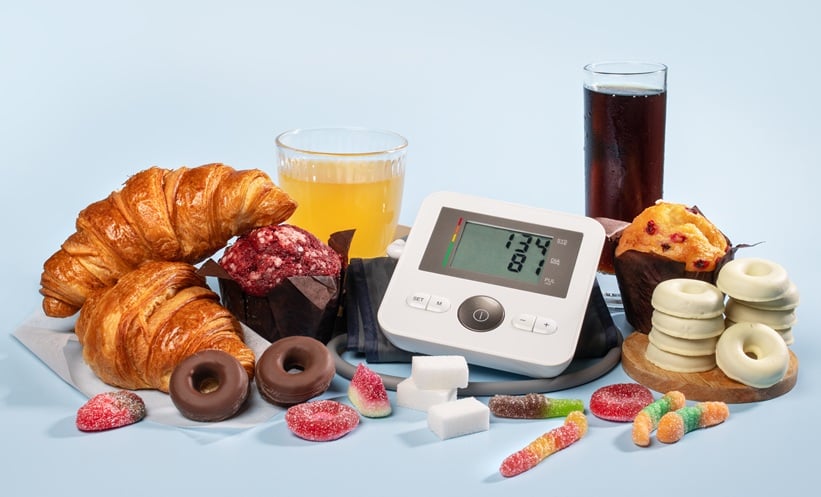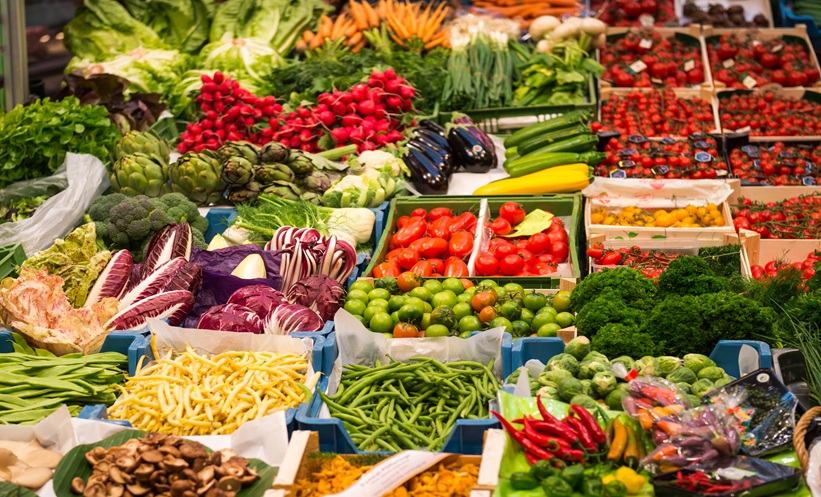
FOOD inflammation scores may offer a clinically useful window into stroke risk, according to a large analysis of 19,681 adults from the National Health and Nutrition Examination Survey (NHANES) database between 2007 and 2018.
The study examined whether Food Inflammation Scores of Individuals (FISI), derived from the food-based Food Inflammation Index (FII), were associated with stroke prevalence. Chronic systemic inflammation is recognized as a modifiable risk factor for stroke, and the FII framework was designed to capture the inflammatory potential of diet at the food level rather than relying only on nutrient-based indices.
Across multivariable logistic regression models, higher FISI scores were positively associated with increased stroke prevalence in a dose-dependent manner. Each one-unit increase in FISI34, FISI26-USDA, and FISI26-CHINA corresponded to 7%, 18%, and 22% higher odds of stroke, respectively. These findings suggest that dietary inflammatory potential may carry measurable relevance when assessing vascular risk in adult populations.
Machine Learning Supports Dietary Signal
To strengthen interpretation, investigators used an extreme gradient boosting model, known as XGBoost, alongside Shapley additive explanations (SHAP) analysis. This approach allowed the team to evaluate how individual predictors contributed to model output and whether FISI measures retained importance within a machine learning framework.
XGBoost modeling identified FISI34 as a key predictor of stroke, supporting the direction of the regression findings. The use of SHAP analysis adds interpretability to the model, helping clinicians understand which variables may be driving predicted risk rather than treating machine learning output as a “black box.”
Anti-Inflammatory Diets and Prevention
The findings position food inflammation scores as a potential tool for personalized dietary prevention strategies. Rather than offering broad nutrient-level guidance alone, the Food Inflammation Index may help translate inflammatory dietary risk into more actionable, food-specific recommendations.
For U.S. healthcare professionals, the results reinforce the importance of dietary pattern assessment in adults with vascular risk factors. While the analysis establishes an association rather than causality, the dose-dependent relationship between higher FISI and stroke prevalence highlights the potential clinical value of anti-inflammatory diets as part of broader stroke prevention strategies.
Reference
Yan Z et al. Investigating the association between the food inflammation scores of individuals and stroke in adults: an extreme gradient boosting machine learning model interpreted with shapley additive explanations. J Health Popul Nutr. 2026;doi:10.1186/s41043-026-01342-6.
Featured Image: tichr on Adobe Stock.
- Author: