Interview Summary
Despite major advances in spinal muscular atrophy (SMA) treatment in recent years, significant unmet needs remain. Current survival motor neurone (SMN)-targeted treatments have improved outcomes. However, many patients, particularly those treated after symptom onset, continue to experience persistent muscle weakness, limited functional gains, and, in certain cases, a gradual decline over time. This reflects irreversible motor neurone loss and the inability of existing treatments to fully reverse established damage, or a reduced ability to maintain function despite optimal treatment.
To address this unmet need, muscle-targeted treatments are being explored as a two-part treatment paradigm that targets muscle impairment to enhance motor neurone final functional drive. By directly improving muscle function, this approach seeks to further improve motor outcomes, strength, and functional independence, particularly when neuronal recovery is limited. Myostatin, a key negative regulator of muscle growth, has emerged as a particularly attractive treatment target. However, despite a strong biological rationale and promising preclinical findings, previous efforts to develop safe and effective myostatin inhibitors have been unsuccessful, largely due to limited efficacy and/or unacceptable toxicity in the selected indications.
The Phase III SAPPHIRE trial marks a turning point. It evaluated apitegromab, a selective monoclonal antibody with a unique mechanism targeting myostatin precursors to avoid off-target effects. It is the first Phase III study to demonstrate both safety and efficacy of myostatin inhibition in a placebo-controlled neuromuscular trial, and could mark the start of an era of two-part treatment in SMA.
Here, Alicia Henriquez, of the University of Washington and Seattle Children’s Hospital, Seattle, Washington, USA; Susana Quijano-Roy, of the University Hospital Raymond-Poincaré, Paris, France; Maggie C. Walter, of the Friedrich-Baur-Institute, Ludwig Maximilian University of Munich, Germany; and Frederica Trucco, of the Department of Neurosciences, Rehabilitation, Ophthalmology, Genetics, Maternal and Child Health, University of Genova, and the Paediatric Neurology and Muscular Diseases Unit, IRCCS Istituto Giannina Gaslin, Genova, Italy, discuss the evolving SMA treatment landscape, the persistence and impact of unmet need, and the rationale for muscle-targeted approaches. They also share their insights on the clinical relevance of the SAPPHIRE findings and the future potential of combined motor neurone- and muscle-directed treatments to improve patient outcomes and quality of life in this condition.
INTRODUCTION
SMA is an autosomal recessive lower motor neurone disease, with an incidence of around one in 10,000–20,000 live births.1 It is characterised by a deficiency of the SMN protein, which is critical for the health of anterior horn motor neurone cells.2,3 SMA is caused by an absence or mutation of the gene primarily responsible for the production of the SMN protein, SMN1.2,3 One important factor influencing disease onset and severity is the patient’s number of SMN2 gene copies.2,3 Henriquez described SMN2 as a “back-up” gene, producing an unstable form of the protein of which only around 10–20% is functional.4,5 The number of copies each person has can range from one to more than five.5 “The more copies of SMN2 we have, the more functional SMN protein we make,” she explained. “While the association between a higher number of SMN2 copies and a less severe clinical phenotype is acknowledged, this correlation is not the sole determinant of SMA phenotype.”5
Reduced SMN expression results in the progressive loss of α motor neurones, which are responsible for directly stimulating skeletal muscle contraction, leading to severe muscle dysfunction.6 “The main symptoms are a loss of strength, weakness, and muscle atrophy,” said Quijano-Roy. “This is not just muscles for moving, but for breathing and other vital functions where muscles contribute, like eating and swallowing for feeding.”7,8 This rather “diffuse” muscle impairment can lead to skeletal comorbidities, such as progressive scoliosis and joint contractures, as well as to acute respiratory failure due to increased demand during infections or to a restrictive lung disease, she explained. Gastrointestinal issues, including dysphagia and constipation, are also very frequent and further impact patients’ health and functional difficulties.7,8
The presentation of SMA varies depending on severity. “The more severe babies are born with hypotonia and will progress very quickly to not being able to breathe or eat on their own, meaning they may require tracheostomy or a nasogastric tube,” said Henriquez, adding that this was the “typical phenotype.” It accounts for between 50–80% of diagnoses.2,9 “The least severe phenotype is those individuals who have more SMN2 copies; they are usually diagnosed in adulthood.”2,9
Historical classification of SMA has been based on a combination of the assessment of maximum motor function (i.e., “non-sitters,” “sitters,” and “walkers”) and the age at onset of that motor function.2 “The earlier the onset of symptoms and signs, the more severe the disorder is,” said Walter. She explained that historically, patients were classified as Type 1 SMA if they had not been able to achieve a sitting position, and as Type 2 if they had been unable to stand or walk. Type 3 SMA refers to children or young people who gained, but subsequently lost, the ability to walk unsupported. Type 4 is the least severe form of the disease, diagnosed in adulthood.2 Walter explained, however, that many people classed as Type 4 had experienced symptoms of SMA earlier in their lives, but were not diagnosed until later on. The existence of Type 4 SMA then, she said, is under debate.10
With a greater understanding of the underlying genetic mechanisms of the disease and the advent of innovative therapies that have altered the natural history of the disease, a more dynamic approach to SMA classification that considers factors such as functional ability and SMN2 copy number has emerged. It categorises patients as non-sitters, sitters, or walkers.11,12 What all subtypes have in common, she went on, is a progressive decline in motor function. “Even if patients in adulthood have the feeling of stability, the condition is still progressive and function is still going down,” she explained.
CONSIDERABLE ADVANCES, REMAINING UNMET NEEDS
Historically, SMA Type 1 was the leading genetic cause of infant mortality.12 Yet over the last decade, disease-modifying treatments such as nusinersen, risdiplam, and gene transfer therapies have become available.13 Each uses a different approach with the aim of increasing SMA protein production.13 They have improved survival, motor function, and quality of life, and, together with the introduction of newborn screening programmes in many countries, have transformed the outlook in SMA.11,14
Said Quijano-Roy: “The prognosis before the era of therapeutics was quite negative.” Babies with Type 1 SMA would either die or require invasive respiratory interventions by 7 or 10 months.12 Those with less severe disease may have survived into childhood or even adulthood, but often with significant disability.13 “The prognosis for a regular patient who survived was that of a progressive neurologic disease: denervation of muscles in the limbs and in the muscles for breathing, speaking, and swallowing,” she added.13
Despite these significant advances, however, challenges and unmet needs remain. Emerging long-term outcome data have shown that, following an initial improvement, there is a progressive loss of motor function after 2–4 years of continuous SMN-targeted treatment in a proportion of patients.15 Patients treated when they are already weak maintain Hammersmith Functional Motor Scale-Expanded (HFMSE) scores below those of their healthy non-SMA counterparts.15
“We now have several SMN-enhancing treatments. All of them are efficient and have in common that they are most effective when initiated pre-symptomatically or with early symptoms of SMA.16,17 But they often show incomplete clinical response in patients who are diagnosed later in life or those with fewer SMN2 copies,” said Walter.18 While such SMN-targeted treatments have significantly improved survival and motor outcomes, residual muscle weakness “remains amajor clinical challenge,” particularly in patients who were not treated pre-symptomatically.15-17
“SMN deficiency leads to degeneration of spinal motor neurones within the motor unit, which contributes to muscle fibre atrophy, and with non-use of muscle comes muscle atrophy,” Walter explained.2,3 Following the onset of motor neurone degeneration, skeletal muscle consists of a combination of non-functional denervated fibres and normally functioning innervated fibres, which inhibit function.15 There is evidence to suggest this muscle damage process can start in utero. However, said Henriquez, SMN-targeted approaches do not reverse the damage that has already been done by the time of treatment initiation.19 “We have a lot of patients for whom the treatments were not available when they were babies. There are already motor nerves that have died, and they are not coming back,” she said.11 “With these newer treatments, we are preserving function, but we are not necessarily going to see an improvement in motor function; indeed, in some patients, we may even see a decline.”15 Quijano-Roy agreed, noting that while babies receiving SMN-targeted treatments at the early stage of disease can reach certain motor milestones, some functions may be impossible to recover. “All of us doctors and researchers working in the field have this experience,” she went on. “The earlier treatment is given, the better the response, but after several years we seem to arrive at a plateau moment.”15
QUALITY OF LIFE IMPACT
In this new SMA landscape, healthcare professionals tend to work with three groups of patients, each with their own set of unmet needs, explained Trucco. The first is those who accessed treatment later on in their disease course, and in which “we do not expect any dramatic change,” such as the attainment of previously lost skills.15,20 The goal of treatment in this scenario is to stabilise progression, as current SMN-targeted approaches are unable to reverse systemic consequences of the disease such as motor and respiratory involvement, and issues with speaking and swallowing. The next group of patients is those who were treated early, in the first months of life, but before the appearance of clinical symptoms. They are expected to achieve motor milestones, but usually in a slower and different progression than healthy children. They are generally more prone to develop chronic respiratory failure and/or to develop higher susceptibility to acute respiratory failure during intercurrent illness.20 The third group is made of patients who have been treated pre-symptomatically, which is now fortunately more prevalent since the more widespread introduction of newborn screening, said Trucco. However, depending on the patient’s genetics and the number of SMN2 copies, “we are aware that there is no complete restoration of the clinical picture,” she added.21
This continuing loss of motor function, despite receiving SMN-targeted treatment, has a dramatic effect on the quality of life of patients as well as their caregivers.22 “Even with SMN protein restored, a patient with a longer disease duration prior to onset of treatment will still have major restrictions in performing motor tasks and daily life activities,” said Walter.22 “So motor function is key in SMA: it means independence and freedom, and not needing people to do everything for you.” Quijano-Roy agreed, adding that muscle weakness in SMA equated to the loss of the ability to carry out normal, everyday tasks. For example, loss of strength in the limbs can mean the loss of walking, the ability to transfer from a chair to the bed or transferring to the toilet, or to move food to the mouth. And in those with very severe disease, patients can even lose the ability to operate the joystick that moves their own wheelchair. Any loss of function that impedes a person’s autonomy equates to a significant reduction in quality of life, both for the patient and a heavier burden on the caregiver, she added.22
TREATING THE MUSCLE: A PARADIGM SHIFT
This therapeutic gap has prompted interest in SMN-independent mechanisms of disease progression and the exploration of new treatments that directly act on the muscle, explained Walter.23 The approach is based on a growing understanding of the role the SMN protein plays within the muscle.24 As survival in SMA has increased, Trucco said, it has become apparent that the SMN protein acts upon both the motor neurones and the muscle in a “double pathogenetic mechanism that leads to disease progression.”23-25
The rationale, Quijano-Roy explained, is that targeting the muscle would, in parallel, protect or even increase muscle function and further help to tackle the existing unmet needs. If successful, she believes the approach could make a significant difference to the autonomy and, therefore, quality of life of some patients.15 “The idea is if we can target the muscle, the patient will gain strength,” explained Henriquez. “This could mean a patient who was not able to roll over can, someone who was losing the ability to sit can maintain that ability, or they could keep their head up so they are not always looking down. Any changes, small or large, in strength, maintaining the tonus, and decreasing muscle fatigability, especially in those patients who are very affected, can mean a lot. It can allow them to be more autonomous and independent, and to better interact with their surroundings and their loved ones.”
One muscle-targeted approach under investigation is myostatin inhibitors. Animals and humans lacking the gene that codes for myostatin (also known as growth differentiation factor 8 [GDF8]) have larger muscle microfibres and increased muscle strength throughout life, without long-term negative outcomes.15 “Myostatin is a negative regulator of skeletal muscle mass. Humans and animals born with naturally occurring myostatin mutations develop a hypermuscular but otherwise healthy phenotype,”15 said Walter, adding “there are cows that look like ‘Arnold Schwarzenegger’ cows!” When myostatin is elevated in the body, it may exacerbate muscle atrophy in denervated muscles, while myostatin inhibition has shown promise in animal models as a strategy to restore or preserve skeletal muscle mass.15 As such, the protein has emerged as both a biomarker and a potential therapeutic target to mitigate muscle wastage.15 “Myostatin is an inhibitor of muscle growth, so the idea is that you are inhibiting the inhibitor,” added Henriquez.
The targeting of both SMN and muscle potentially offers a novel SMA therapeutic strategy. Said Walter: “While the SMN-enhancing agents can increase the rescue of motor neurone integrity and synaptic transmission, adding in myostatin inhibition can directly address the innervation-induced muscle atrophy by promoting muscle fibre, muscle regrowth, and neuromuscular junction stability.”15 Such a two-part approach, she went on, could be particularly promising for patients who initiate treatment beyond the early neurodevelopmental window, where irreversible motor neurone loss has already occurred.15 “This is especially relevant given the limitations of SMN-only directed treatments, which do not fully restore motor capacity in most patients, especially when initiated later in the disease,” she added.11,15,19
APITEGROMAB
Despite decades of work on developing safe and effective myostatin inhibitors, no candidates have, as yet, been successful, and there are currently no approved muscle-targeted therapies in genetic or acquired neuromuscular diseases.15 To date, most myostatin inhibitors have also repressed the activities of other, closely related members of the transforming growth factor-β family. This has increased the potential for adverse events (AE) such as vascular side effects and bone weakness.26
Apitegromab is an investigational, fully human monoclonal antibody that binds to the inactive myostatin precursors promyostatin and latent myostatin, preventing cleavage and the release of mature, active myostatin to promote muscle growth.15 By targeting these precursors, apitegromab avoids binding to growth differentiation factor 11 (GDF11), which is antigenically similar to mature GDF8 (i.e., myostatin). The rationale is that this more selective mechanism towards GDF8 would reduce the likelihood of off-target side effects.15
SAPPHIRE, a double-blind, placebo-controlled, Phase III trial, evaluated the safety and efficacy of apitegromab in non-ambulatory patients with Type 2 or Type 3 SMA aged over 2 years, who were on SMN-targeted treatment.15 It followed the Phase II TOPAZ study, which involved patients who were or were not taking SMN-targeted treatments. The results from TOPAZ demonstrated motor function improvements, as measured by HFMSE and Revised Upper Limb Module (RULM), at 12 months, and these were sustained through the 36-month extension period.27
The Phase III SAPPHIRE trial involved 48 hospitals across Belgium, France, Germany, Italy, Poland, Spain, the Netherlands, the UK, and the USA. Eligibility criteria were ages over 2 years, genetically documented SMN-deficient non-ambulatory Type 2 or Type 3 SMA, estimated life expectancy of greater than 2 years, and HFMSE scores of between 10–45.15 In addition, all participants had to have received at least 10 months of nusinersen, or at least 6 months of risdiplam at screening. Participants aged between 2–12 years were randomly assigned 1:1:1 to receive apitegromab 20 mg/kg, or apitegromab 10 mg/kg, or control every 4 weeks. Those aged 13–21 years were randomly assigned 2:1 to receive apitegromab 20 mg/kg or control every 4 weeks. The primary endpoint was change in HFMSE from baseline at 12 months versus control (Figure 1).15
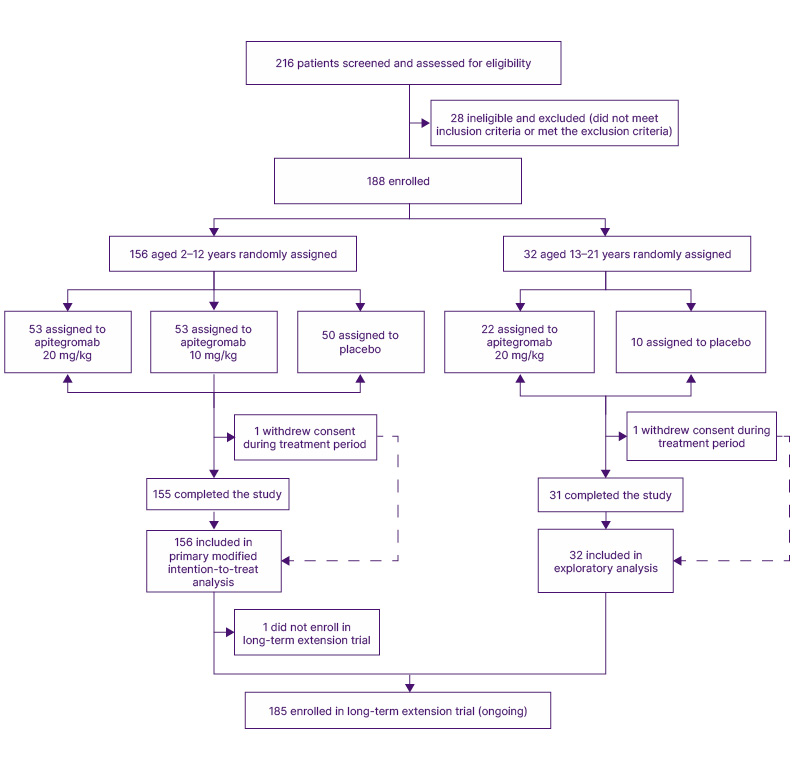
Figure 1: Trial profile.
Before enrolment, 216 individuals were screened. Of these 216 individuals, 28 had screening failures. Randomisation was stratified by type of background SMN-targeted therapy (nusinersen or risdiplam) and age at initiation of nusinersen or risdiplam (≤5 years and >5 years) for the population aged 2–12 years, and by type of background SMN-targeted therapy (nusinersen or risdiplam) for the population aged 13–21 years. Enrolled patients assigned to the population aged 2–12 years were randomly assigned 1:1:1 to apitegromab 20 mg/kg, 10 mg/kg, or placebo; those assigned to the population aged 13–21 years were randomly assigned 2:1 to receive apitegromab 20 mg/kg or placebo treatment.
SMN: survival motor neuron.
A total of 188 patients (156 in the population aged 2–12 years, and 32 in the population aged 13–21 years) were enrolled, with 128 participants receiving apitegromab and 60 receiving placebo.15 The mean age was 9 years, with a range of 2–21 years. A total of 11 patients (9%) had two copies of the SMN2 gene, 153 (81%) had three copies, and 11 (9%) had four or more. The mean baseline HFMSE score was 24.7 (SD: 9.8) in the treatment group, and 27 (SD: 11) in the control group (Table 1). 15
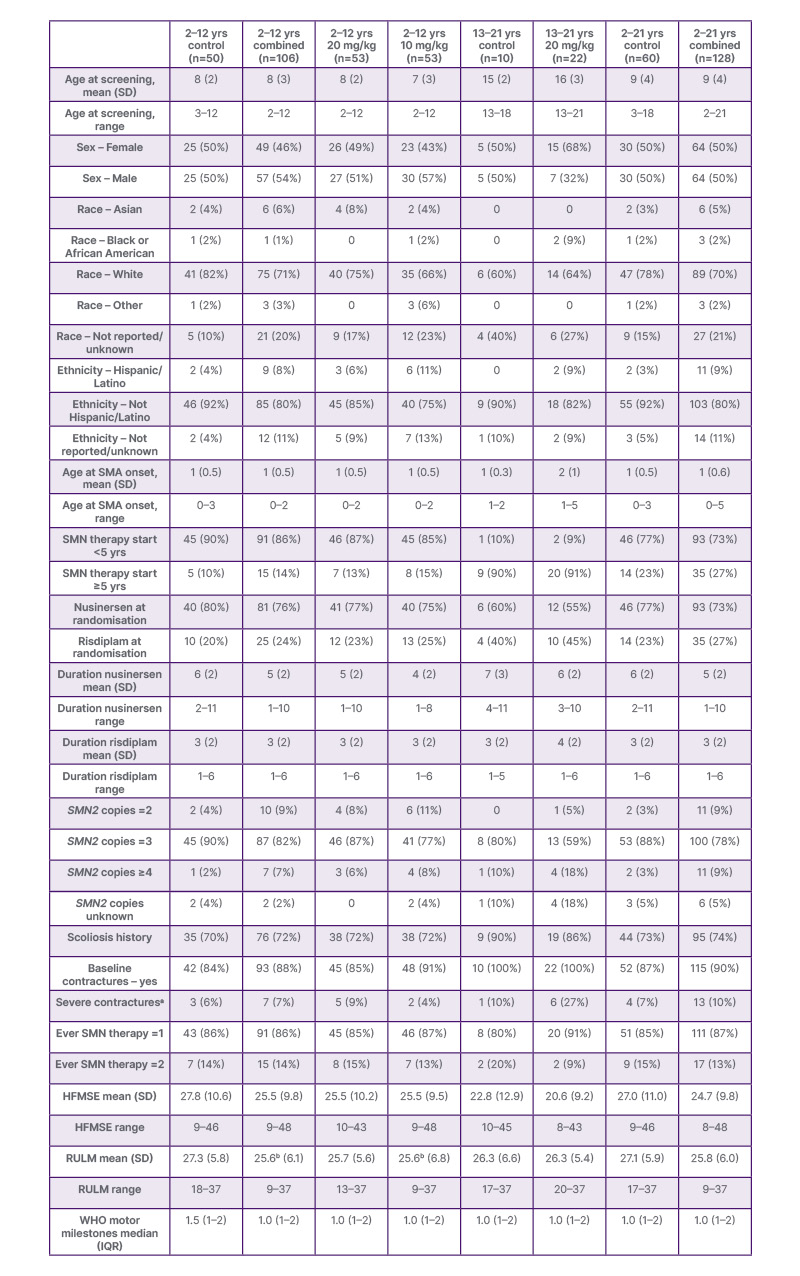
Table 1: Baseline demographics and characteristics.
aSevere contractures were present in at least one location.
bOne participant from the apitegromab 10 mg/kg dose group was too young at baseline to undergo the RULM.
Baseline demographics and clinical characteristics are presented for all randomly assigned participants. Race was not collected in France and Germany and therefore not reported. Ethnicity was not collected in France and therefore not reported. Baseline HFMSE and RULM scores, and WHO motor milestones were defined as the last nonmissing measurement before or on the day of the first dosing. Combined groups represent all apitegromab doses.
HFMSE: Hammersmith Functional Motor Scale-Expanded; IQR: interquartile range; RULM: Revised Upper Limb Module; SMA: spinal muscular atrophy; SMN: survival motor neurone; Yrs: years.
Explaining the rationale for the eligibility criteria using HFMSE (which has a maximum score of 66), Henriquez said these patients’ scores of 10–45 were noticeably more on the lower end of the scale.28 “These are patients who are not ambulatory, so we know their motor function is going to be lower,” she said. “The cap in the HFMSE was to capture those patients who may benefit from additional motor skills.” Putting that into context, Quijano-Roy said patients with scores in the study eligibility range would be “very dependent.” “A low HFMSE score means most of the patients required assistance for simple daily tasks like eating, using the toilet, and moving around their home. So, just a small improvement may be much more impactful to them on quality of life and autonomy.”29,30 The majority, 74%, of participants (139/188) were receiving nusinersen at enrolment, and the overall mean time on SMN-targeting treatment prior to study initiation was 5 years (SD: 2), with a range of between 1–10 years.15 This, combined with relatively low mean HFMSE scores, demonstrates the clear room for improvement in current therapeutic approaches. Said Henriquez: “SMA patients are still facing daily challenges. They want to be able to gain more motor skills or simply to maintain the skills they have. Despite the SMN-targeting treatments we have right now, they still need more.”
At 12 months, the least squares mean difference in HFMSE change from baseline was +1.8 points (95% CI: 0.30–3.32; p=0.019) for apitegromab (20 mg/kg and 10 mg/kg) versus control (least squares mean: +0.6 versus −1.2).15 In the treatment group, scores increased as early as 8 weeks. Conversely, scores had decreased in the control group, with a mean decline of −1.2 points (standard error: 0.66) from baseline by Week 52. Based on the comparison of both dose (20 mg/kg and 10 mg/kg) arms versus control, statistical significance was achieved with p<0.025. Based on the comparison of 20 mg/kg alone to placebo, p>0.05.15
Commenting on these findings, Quijano-Roy said HFMSE scores should always be interpreted in terms of what they mean to improving daily life. In the 2–12 years study population (20 mg/kg and 10 mg/kg), 30.4% (31/102) of participants in the apitegromab group achieved a >3 point increase in HFMSE scores, and 19.6% (20/102) achieved a >4 point increase.15 This compared to only 12.5% (6/48) and 6.3% (3/48), respectively, in the control group.15 “The results show apitegromab has at least a reinforcing effect, which means that either they are stable or they improve, and that almost a third of the patients may improve more than three points in HFMSE, which is certainly highly meaningful.” Quijano-Roy also pointed to improvements in upper, axial, and lower limb function, as measured by the RULM and WHO motor development milestones attained at 12 months, seen in the study.15 These secondary endpoint results, she said, suggest a broader effect, beyond the more global measurements obtained by the HFMSE scale.
Commenting on the study’s finding that those in the SMN-targeted treatment-only (i.e., control) group experienced a decline in motor function, while those patients in the apitegromab plus SMN-targeted treatment cohort saw an improvement,15 Walter said: “These results clearly indicate that apitegromab is an effective muscle-targeted treatment when combined with an SMN-targeted treatment. It provided a superior and clinically meaningful improvement in motor function compared to patients receiving SMN-targeted treatment alone.”15 She also considered these findings in line with the baseline characteristics. Most patients, Walter explained, would have plateaued on SMN-targeted treatments by 5 years, which was the mean time of pre-trial nusinersen or risdiplam exposure.15 “You would have not expected much improvement from then on, and would be happy if they would stay stable. So, the improvements seen in the SAPPHIRE trial, then, clearly show that an unmet need beyond SMN-restorative treatments may now be addressed.”
In terms of safety, SAPPHIRE found the incidence and severity of AEs to be similar in the apitegromab and control arms (Table 2), and no participants discontinued due to AEs.15 The most frequently reported AEs were pyrexia (apitegromab: 33/128 [26%]; placebo: 17/60 [28%]), nasopharyngitis (32/128 [25%] versus 14/60 [23%]), cough (30/128 [23%] versus 12/60 [20%]), vomiting (29/128 [23%] versus 10/60 [17%]), upper respiratory tract infection (28/128 [22%] versus 18/60 [30%]), and headache (27/128 [21%] versus 12/60 [20%]).15 “Here we can say that treatment was well tolerated across all age groups, consistent with the already established safety profile.”14 There were no clinically relevant differences in the AE profiles of the 20 mg/kg and 10 mg/kg dosing groups, and the incidence and severity of AEs were mainly consistent with the underlying SMA patient populations.15 “These are side effects which you see in SMA patients, whether they are being treated with currently available SMN-targeted treatments and even if they are not treated with anything,” Walter added.15
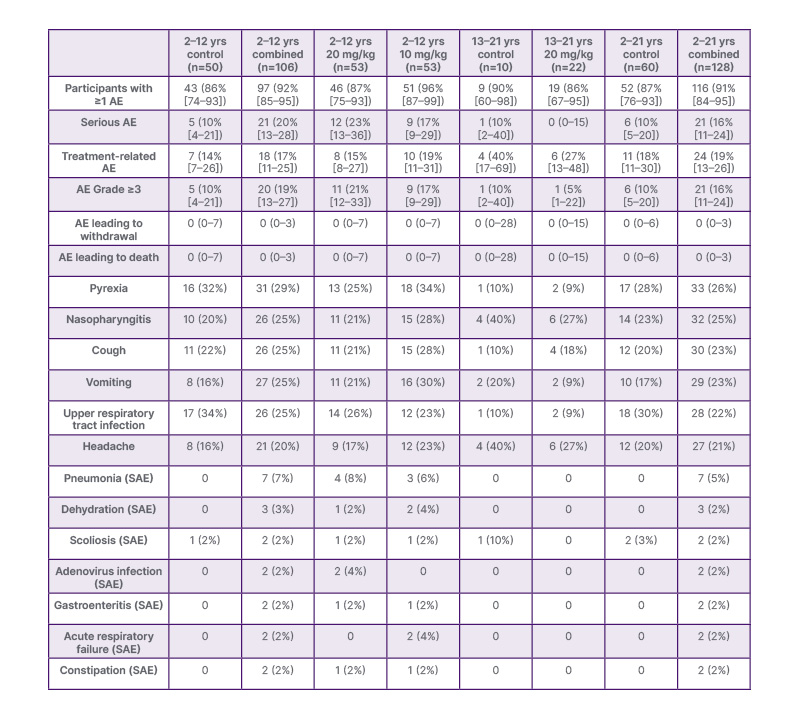
Table 2: Adverse events following treatment (safety set).
Table data format: n (% [95% CI]). Percentage is calculated based on the number of participants in the safety set within each age group and treatment group. Wilson’s CIs are presented for percentages. All participants within the safety set received at least one dose of apitegromab or placebo.
AE: adverse event; SAE: serious adverse event; yrs: years.
FUTURE DIRECTIONS
SAPPHIRE’s authors highlight that the trial was the first placebo-controlled clinical study to show the functional benefit of selective myostatin inhibition in any disease.15 These include muscular dystrophies and musculoskeletal disorders.24 Clinical trials are, of course, only a snapshot in time, said Henriquez, but she is excited to see what happens next. “It will be interesting to see how things move forward and what the effect will be over longer periods of time.” “Right now, we have treatments that target the motor neurones. Having something to target that area we are missing, i.e., muscle strength, will hopefully improve overall strength and quality of life for these patients.”1,15 Quijano-Roy agreed, adding that the study was designed to assess apitegromab’s ability to tackle unmet needs.15 “It was focused, interestingly, on the population in which it is probably more difficult to show change, because they are in a period of slow change,” she said. Now that it has shown a significant effect, she hopes future studies will focus on other subgroups, such as babies and those patients with higher levels of function they would like to maintain. Trucco noted that she would like to see longer term follow-up data and more granular results, both in terms of patient stratification and outcomes measures, including respiratory function. She described SAPPHIRE as a pivotal study that has “opened up the field” to a dual motor neurone/muscle-targeted approach and also has wider implications. “Advances in research on the role of SMN protein in organs such as muscle, as well as the bones and the brain, open up the concept of SMA being a multi-organ disorder, but also of a multi-modal approach,”25,26 she said. “The concept of myostatin is very interesting, and I am excited to see explorations in the concept of targeting other organs.”
Importantly, Trucco also highlighted the continuing importance of supportive care for people living with SMA. “Therapies have dramatically changed the course of the disease, but we are quite far from a full change in the clinical picture, particularly for patients who have chronic disease,” she explained.16,17 Interventions such as posture aids, home adaptations, and independence-boosting devices can make an important difference to quality of life, she noted.31 In addition, given the multi-faceted nature of the condition, patients can benefit from access to a wide variety of health professionals, including neurologists, physiotherapists, nutritionists, respiratory therapists, speech therapists, gynaecologists, urologists, psychotherapists, physiatrists, and occupational therapists.31
CONCLUSION
Over the last decade, the SMA therapeutic landscape has undergone a profound transformation, shifting from a historically fatal and rapidly progressive condition to one in which survival and functional outcomes have significantly improved.11-14 However, as clinical experience has deepened, it has become increasingly clear that SMN-targeted treatments do not fully address the full complexity of the disease. Persistent muscle weakness, functional limitations, and progressive decline remain key unmet needs, particularly for patients treated after symptom onset.15-19
The emergence of muscle-targeted strategies represents an important evolution in thinking. The SAPPHIRE results represent the first time a myostatin-targeting agent, apitegromab, has demonstrated improved function in any disease in a placebo-controlled clinical setting, a notable achievement given the historical failure of similar approaches across other neuromuscular disorders.15,26 This underscores both the biological relevance of muscle as a treatment target in SMA and the path towards a two-part approach.23-25 “Since SMA is a disease affecting both motor neurones and muscle, treatment approaches that target both are preferable,” said Walter, reiterating that myostatin inhibition offers a means to directly address the muscle atrophy and weakness that persist despite SMN protein restoration.11,15,19
Importantly, these advances are not only scientifically meaningful but also clinically tangible, allowing healthcare professionals to provide real hope to patients and their caregivers. “The results are also interesting for us as doctors and for other healthcare professionals, because they provide a real-life possibility to use something that offers further improvement on what already exists,” said Quijano-Roy. In a disease where patients and caregivers remain impacted by daily functional limitations, the potential to reinforce or even to modestly improve strength carries significant importance, and so even small gains can translate into really meaningful improvements in independence, autonomy, and quality of life.22,29-30
Looking ahead, the integration of SMN-enhancing and muscle-targeted treatments may define the next phase of SMA management. Such approaches, Walter said, may become very valuable across the whole spectrum of patients with symptomatic SMA. While longer-term data and broader clinical experience are still needed, the SAPPHIRE findings mark a pivotal step towards a more comprehensive, multimodal treatment paradigm that better reflects the dual pathophysiology of SMA, and the evolving needs of patients living with this chronic condition.15,23-25,31