STEM CELL TRANSPLANTATION is the most cost-effective option for the long-term care of sickle cell disease in adults in the USA, when compared with gene therapy and standard of care treatment, according to new research.
The study was the first to compare the cost-effectiveness of all three treatment options, finding that the cost of gene therapy needs to be 66% to 71% lower than previously determined to have a competitive value for price.
Lead author George Goshua, Yale School of Medicine and Yale Cancer Centre, Connecticut, USA, said: “Gene therapy is an incredible immune innovation, but it comes with an astronomical cost.
“Recent prospective studies suggest that stem cell transplantation is now safer and more efficacious than before for people living with sickle cell disease, but data on its cost-effectiveness, especially in the era of gene therapy, have been limited.”
Sickle Cell Disease Treatment
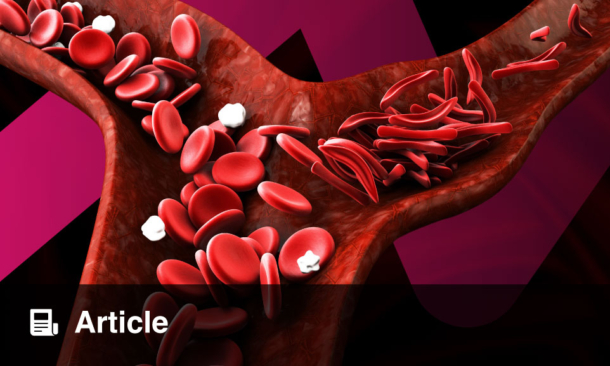
Sickle cell disease, the American Society of Hematology reported, is the most common inherited blood disorder, affecting nearly 8 million people worldwide and approximately 100,000 individuals in the USA.
It is more prevalent in people with ancestral origins in regions where malaria is common, including sub-Saharan Africa, the Indian subcontinent, Arabian Peninsula, and parts of the Mediterranean.
Standard of care management includes hydroxyurea, pain management, and blood transfusions, but patients can also achieve lifelong remission through stem cell transplantation or gene therapy.
Dr Goshua continued: “From a patient perspective, there are multiple trade-offs across sickle cell treatment options, including differences in eligibility, timing, and a patient’s individual values and preferences.
“From a policy perspective, understanding the cost-effectiveness of all these available treatments can equip governments to make informed, strategic decisions about how to invest in and support the health of their populations living with sickle cell disease.
“That said, it is important for individuals living with sickle cell disease to have access to as many treatments as possible; gene therapy may be the best option for many patients, and these data should not be interpreted as reason to deny them coverage.
“Treating physicians must continue to discuss all options with patients in the context of shared patient-physician decision making.”
Value of NMAC-HID allo-HSCT
Researchers determined quality-adjusted life-years (QALY) and net monetary benefit to assess the cost-effectiveness of each treatment option.
Gene therapy accrued 22.1 QALYs at a cost of 2.75 million USD.
Standard of care accrued 14.3 QALYs at a cost of 1.22 million USD.
And non-myeloablative haploidentical allogeneic stem cell transplantation (NMAC-HID allo-HSCT) accrued 20.1 QALYs at a cost of 1.15 million USD.
Dr Goshua added: “No matter how much we adjusted from base case assumptions or accounted for uncertainty, NMAC-HID allo-HSCT delivered the best clinical value for cost.
“Globally, the cost and access to stem cell transplantations are substantial barriers for many.
“The price thresholds suggested in our US and expanded international analyses may help guide local governmental investment for both curative therapies in sickle cell disease.”
Reference
Chetlapalli K et al. Haploidentical transplant, gene therapy, and standard care in sickle cell disease: a cost-effective analysis. Blood. 2026;DOI:10.1182/blood.2025032290.
Featured image: RomanR on Adobe Stock
- Author: