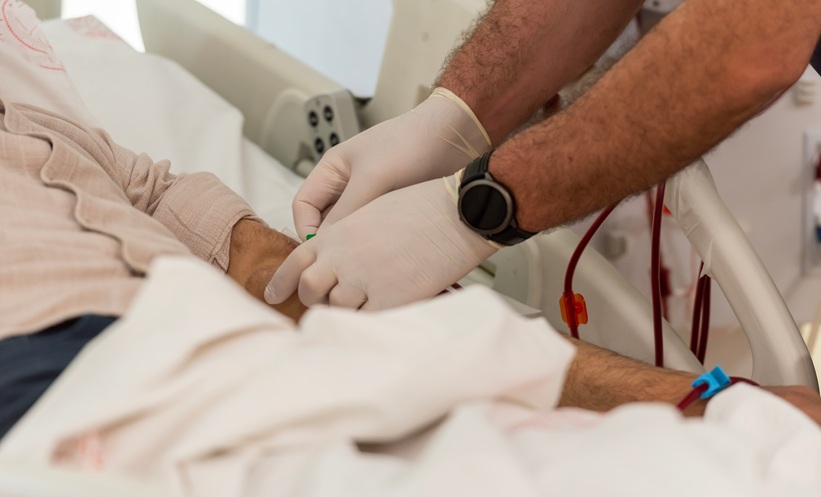
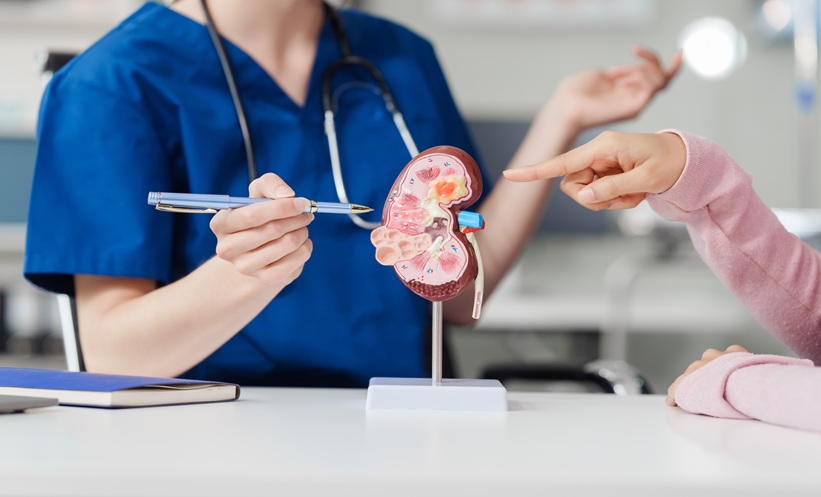
MACHINE learning used alongside traditional survival analysis improved prognostic assessment in elderly dialysis patients, according to a retrospective cohort study of 2,501 patients aged 75 years and older. The study evaluated patients who initiated kidney replacement therapy in Colombia between 2009–2013, with follow up until 2015, to determine whether combining established statistical methods with machine learning could improve individual survival estimates.
Machine Learning Identified Strong Prognostic Factors
Researchers examined survival using Kaplan–Meier analysis and Cox proportional hazards models before comparing five machine learning survival approaches on an independent test set. These included Penalised Cox, Random Survival Forest, gradient boosting accelerated failure time, DeepSurv, and DeepHit. Model performance was assessed using time dependent concordance index and the integrated Brier score, while uncertainty was estimated using non-parametric bootstrap 95% confidence intervals.
The analysis found that patients treated with haemodialysis had better survival than those receiving peritoneal dialysis. Peritoneal dialysis was associated with a higher risk of mortality compared with haemodialysis: (hazard ratio:1.36; 95% CI:1.20–1.53; p<0.005).
Additional factors associated with reduced survival included increasing age, female sex, diabetes, hypoalbuminaemia, and anaemia. Among the machine learning models evaluated, DeepSurv demonstrated the strongest overall predictive performance: (concordance index: 0.692; 95% CI: 0.649–0.734; integrated Brier score: 0.145; 95% CI: 0.129–0.164). Models based on Cox proportional hazards achieved comparable performance, while Random Survival Forest and gradient boosting accelerated failure time produced intermediate results. DeepHit showed lower predictive accuracy within this cohort.
Feature importance analysis identified vascular access through an arteriovenous fistula, albumin concentration, and age as the strongest predictors of survival.
Findings May Support Personalised Dialysis Planning
The findings showed that integrating machine learning with classical survival analysis improved individualised prognostic assessment in elderly dialysis patients. Although DeepSurv achieved the strongest overall performance, Cox based models demonstrated comparable performance in the head-to-head analysis.
Conclusion
The investigators concluded that haemodialysis was associated with a survival advantage in this patient population and that factors including vascular access and nutritional or inflammatory status were important contributors to prognosis. They suggested that combining machine learning with established survival analysis may inform precision medicine approaches to dialysis planning and patient centred management.
Reference
Huerfano M et al. Personalized survival prediction in elderly dialysis patients: integrating machine learning with traditional survival analysis. BMC Nephrol. 2026;DOI:10.1186/s12882-026-05121-7.
Featured Image: Ali on Adobe Stock