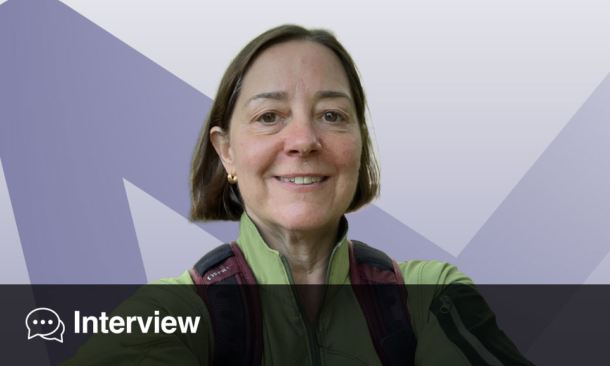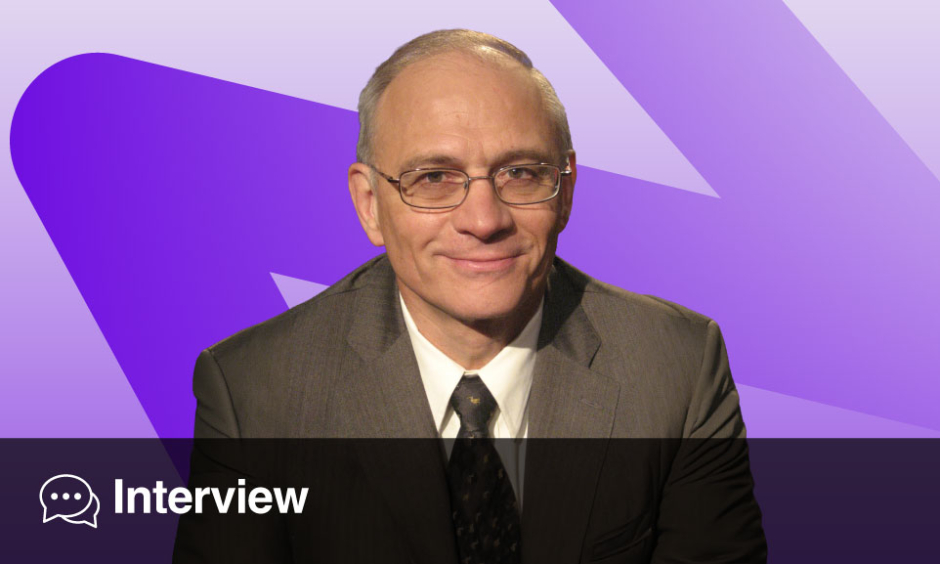
William A. Gahl | Senior Investigator, Human Biochemical Genetics Section, Medical Genetics Branch, National Human Genome Research Institute, National Institutes of Health (NIH), Bethesda, Maryland, USA
Citation: EMJ. 2026;11[3]:53-57. https://doi.org/10.33590/emj/6G9L8777

Your career has spanned a remarkable transformation in rare disease medicine, from understanding fundamental disease mechanisms to developing targeted therapies for patients. What first drew you to cystinosis and inherited metabolic disorders, and which milestones have been most significant in shaping your career?
At the Massachusetts Institute of Technology (MIT), Cambridge, USA, I was fascinated by the fact that the biochemical pathways we studied were functional in humans and that defective biochemical reactions caused disease. I took all the undergraduate and graduate biochemistry and biophysical chemistry courses and worked in the lab of John Stanbury, an endocrinologist at Harvard University, Cambridge, Massachusetts, USA, who wrote the first editions of the ‘Metabolic Basis of Inherited Disease’.1 In my paediatric residency at the University of Wisconsin, Madison, USA, I saw one or two patients with cystinosis before there was any treatment directed towards the cystine accumulation and before the basic defect was known.
When I went to the National Institutes of Health (NIH) for a genetics fellowship, I worked in the lab of Joseph Schulman, a cystinosis expert at the National Institute of Child Health and Human Development (NICHD), who put together a team to determine the cause of cystinosis. A superb sulphur chemist, Frank Tietze, National Institute of Diabetes and Digestive and Kidney Diseases (NIDDK), was instrumental in developing techniques to measure cystine efflux from lysosomes. Working with the NIH team allowed me to establish a career in the field of cystinosis and, more broadly, metabolic diseases. The NIH Clinical Center also offered me the opportunity to evaluate more than 300 patients with cystinosis over the years.
Cystinosis was once a devastating multisystem disorder with limited treatment options. Through your research, the underlying defect in cystinosis was characterised and therapeutic approaches were developed that changed the outlook for patients. How has our understanding of cystinosis evolved over the past decades, and what discoveries have been the most important in transforming patient care?
Over the past 5 decades, we have come to understand cystinosis as a multisystemic disease due to the cellular damage caused by lysosomal cystine accumulation in various tissues. Nephropathic cystinosis was previously considered largely a kidney disease, with renal Fanconi syndrome occurring in the first year of life and end-stage kidney disease at 9–10 years of age. Renal transplantation, which was first performed on a patient with cystinosis around 1968, allowed for patients to survive to adulthood, revealing the late, non-renal complications of the disease.
Clinical studies also revealed the variable severity of cystinosis, ranging from classical infantile nephropathic cystinosis, to juvenile or adolescent cystinosis, to adult or ocular cystinosis; the spectrum represents a continuum rather than discrete subtypes and reflects the amount of residual cystine-transporting capacity provided by the lysosomal carrier protein, cystinosin. Several critical issues advanced patient care, including early recognition of the disease to allow for symptomatic and directed treatments as well as cystine-depleting therapy with cysteamine.
Your work helped establish the role of impaired lysosomal cystine transport in cystinosis and demonstrated how understanding disease mechanisms can guide treatment development. What have we learned from cystinosis about the relationship between genetic defects, cellular pathways, and disease manifestations?
It was known as early as the 1960s–70s that cystinosis involved accumulation of the disulfide amino acid cystine within lysosomes, but the mechanism was not understood. Since all lysosomal storage disorders at the time were enzyme defects resulting in the accumulation of (large) substrates, it was considered that cystinosis could be due to a defective cystine-reducing enzyme within the lysosome. Experiments pursuing this hypothesis did not yield positive results. However, transport studies in polymorphonuclear leukocytes showed that, normally, cystine could exit lysosomes by a carrier-mediated process that was lacking in cystinosis cells. This created an entire field of lysosomal disorders due to transport defects (rather than enzyme defects) and revealed the importance of the lysosome in moving small molecules produced by lysosomal hydrolysis into the cytosol. In some cases, the lysosomal transport function prevents harmful accumulation in the lysosome and sometimes it salvages small molecules for re-use in the cytoplasm. In the case of cystine, the disulfide is reduced to cysteine once it enters the cytoplasm.
We also learned from the genetics of cystinosis that cells have much more lysosomal transport capacity than they need, just as, in general, cells have much more enzyme activity than they need; cystinosis heterozygotes, with 50% of the normal amount of cystine transporting capacity, are entirely normal. Finally, we began to understand that the various lysosomal storage diseases have different clinical manifestations, depending upon the substance that is stored. For example, the gangliosidoses manifest with neurological complications because gangliosides make up so much of the neuronal membranes, while cystinosis affects the kidney due to the relatively greater protein degradation that yields cysteine and cystine.
The development of cysteamine represented a landmark achievement in rare disease medicine, transforming cystinosis from a condition associated with severe early complications into a chronic disease that can be managed over a lifetime. What were the key challenges in translating scientific discoveries into an effective therapy, and what lessons does this experience offer for researchers developing treatments for other rare diseases?
Understanding the mechanism of action of a treatment is important, and early transport studies enabled by Tietze revealed that cysteamine interacts with lysosomal cystine in a disulfide interchange reaction to produce cysteine and cysteine-cysteamine mixed disulfide, both of which can exit the cystinosis lysosome without requiring the defective cystine carrier. An early study performed by Jess Thoene, now at University of Michigan, Ann Arbor, USA, in the lab of Jerry Schneider, University of California, San Diego, USA, showed that cysteamine depleted cystinotic cultured fibroblasts of cystine; this led to a first-in-human trial of intravenous cysteamine in a single patient.
Proving safety and efficacy for the disease in general was very challenging. First, the rarity of the disease meant that recruitment could be difficult, especially if only a few clinical sites were involved. Second, feasible and meaningful outcome measures needed to be chosen. One might not expect the renal tubular damage to be reversed, and glomerular filtration function deteriorated over the course of years, so the study would need to be fairly long. Enrolled patients needed to have enough kidney function for there to be noticeable preservation. In fact, one early article treating patients near renal failure concluded that cysteamine was not beneficial, and this publication influenced many nephrologists to avoid treating with cysteamine therapy for a time. In addition, new drug development takes considerable resources. Although the NIH funded long-term clinical trials of different cysteamine preparations, FDA approval required a pharmaceutical company sponsor, and that took significant effort.
After mechanistic work in the lab of Schulman, he and his NIH team, along with Schneider and Thoene, spearheaded international clinical trials that began in 1978 and resulted in FDA approval for a cysteamine bitartrate-based drug in 1994. While this drug is given every 6 hours and is absorbed in the stomach, a delayed-release cysteamine preparation, taken every 12 hours, was approved by the FDA in 2013; it is about 50 times more expensive. Cysteamine eyedrops were first shown to dissolve corneal cystine crystals in 1986 and were approved by the FDA in 2012. Lessons emanating from these experiences include the recognition that outcome measures must be appropriate, compliance is critical and can be fostered by frequent follow-up visits, and government and industry support are needed to advance rare disease treatment.
Despite major advances in treatment, cystinosis remains a lifelong multisystem disorder, requiring ongoing monitoring for complications affecting organs beyond the kidney, including the eyes, endocrine system, muscles, and nervous system. How has the approach to long-term care evolved, and what unmet needs remain for patients living with cystinosis?
The availability of kidney transplantation and the subsequent recognition of late, non-renal complications of cystinosis required many physicians to address unfamiliar issues. Cystinosis has become a team enterprise involving specialists in transplantation, nephrology, ophthalmology, neurology, endocrinology, gastroenterology, physical therapy, social work, and counselling, among others. Usually, coordination of overall care is led by the team member most invested in the individual patient. Current needs of the cystinosis community include transitioning of care between paediatrics and internal medicine, comprehensive centres that can provide several specialists working in concert, and improved cysteamine formulations that are more palatable.
Research into cystinosis has continued to expand beyond established therapies, with approaches including improved drug delivery strategies, novel molecular therapies, and potential gene-based treatments being explored. Which emerging developments do you believe hold the greatest promise for further improving outcomes for people living with cystinosis?
Cysteamine tastes and smells awful, so the development of more acceptable preparations, promoted by Donald Cairns, Robert Gordon University, Aberdeen, UK, and others, would constitute a great advance. Gene therapy directed at the tissues most affected, such as the kidney and muscle, could be transformational; a target could be the 57-kb deletion present in about 50% of European and North American patients. Of huge importance for the community is newborn screening, which would allow for diagnosis and treatment with cysteamine in the first 2 weeks of life; the current mean age of diagnosis is approximately 14 months, by which time significant renal glomerular damage has already occurred. Katharina Hohenfellner, Johannes Gutenberg University, Mainz, Germany, has championed molecular newborn screening for cystinosis, demonstrating its feasibility and showing prevention of both tubular and glomerular damage with early cysteamine treatment.
Through your leadership of the NIH Undiagnosed Diseases Program (UDP), you have helped transform the diagnosis of patients with previously unexplained conditions and contributed to the discovery of new genetic diseases. How has your experience with undiagnosed patients changed the way we think about rare disease discovery?
Some of the lessons emphasised by the NIH UDP, which expanded in 2014 to a national Undiagnosed Diseases Network (UDN), were already largely recognised. The UDP experience has illustrated the importance of federated support (i.e., combined efforts of government and medical institutions), linking basic and clinical research towards a unified goal, and sharing genetic information via platforms such as Matchmaker Exchange. The UDP and UDN further expanded upon those themes, developing resources for advanced sequencing and analyses of patient and family DNA, creating model organism centres to evaluate potential disease-causing variants, providing a secure patient database and a repository for patient specimens, and performing functional studies to address mechanisms of disease.
The UDP has demonstrated the power of combining clinical expertise, genomic sequencing, and functional studies to identify the causes of rare disorders. What lessons from this approach could be applied more broadly to improve diagnosis for patients with rare diseases worldwide?
The success of the UDP and UDN illustrates not only the value of sharing information and resources, but the importance of referring patients to centres of expertise at appropriate times. In fact, the international community has recognised these points by engaging in the Undiagnosed Diseases Network International (UDNI), founded in 2014 by the Wilhelm Foundation (an undiagnosed diseases advocacy group centred in Sweden) and the UDP.
Cystinosis has become an example of how rare disease research can progress from understanding a molecular defect to developing effective treatments. What factors have enabled this success, and what lessons could other rare disease communities take from the experience of cystinosis?
Several assets were required to achieve effective therapy for rare diseases. For cystinosis, we needed to know the mechanism of the disease, and basic science was absolutely critical for that. One specific example involved loading normal lysosomes with large amounts of cystine in order to compare the rate of lysosomal cystine egress in normal and cystinosis leukocytes. This was achieved only by an awareness of previous basic science work showing that the methyl esters of amino acids are rapidly converted into the amino acids themselves by acidic hydrolases in the lysosome. Hence, cystine dimethylester was used to load normal leukocyte lysosomes to cystinotic levels, and transport out of the lysosomes, which follows Michaelis-Menten kinetics, could be measured. Another example involved the ability to measure small amounts of cystine; this was achieved using a bacterial cystine binding protein with a Michaelis constant in the nanomolar range. Leukocyte cystine measurements, now performed using mass spectrometry, not only make the diagnosis of cystinosis in most cases, but also allow for adjustment of cysteamine dosing. Certainly, the discovery of the cystinosis gene in 1998 allowed for molecular diagnostics and will be the basis for future molecular newborn screening.
The cystinosis story also illustrates the value of clinical expertise, support for clinical trials, and the importance of engagement by patients and advocacy groups such as the Cystinosis Foundation, the Cystinosis Research Network (CRN), Cystinosis Ireland, Cystinosis United®, and the Cystinosis Research Foundation (CRF).
Despite advances in diagnosis, treatment, and research, significant challenges remain across the rare disease field. What do you see as the greatest unmet needs today, and where should future efforts be focused to improve outcomes for patients?
Gene therapy, emphasising targeting of treatments to specific organs, offers enormous promise for rare diseases. Attempts are underway to employ delivery vectors whose cargo can be modified for specific genetic diseases. These types of pursuits require the combined efforts and resources of government, advocacy groups, philanthropists, and industry. For rare diseases that already have treatments, molecular newborn screening can be transformational.
Looking ahead, what developments in cystinosis research and rare disease medicine are you most hopeful about, and what advice would you give to the next generation of clinicians and researchers entering the field?
Choosing a field with an unmet need is important not only for the rare disease community, but for the advancement and career satisfaction of a young physician–scientist. Rare diseases provide enormous rewards to investigators because affected individuals appreciate the specific expertise provided by that disorder’s specialists. Another worthwhile practice is sharing of information, which provides synergistic benefits and expanded returns on investment. Enhancing awareness at the community and government levels yields increased support and better outcomes. Investigators should keep their eye on the prize: treatment. Fertile pursuits in the field of rare diseases include genetic treatments such as gene editing, allele-specific oligonucleotide therapies, and molecular-based newborn screening.